
Title
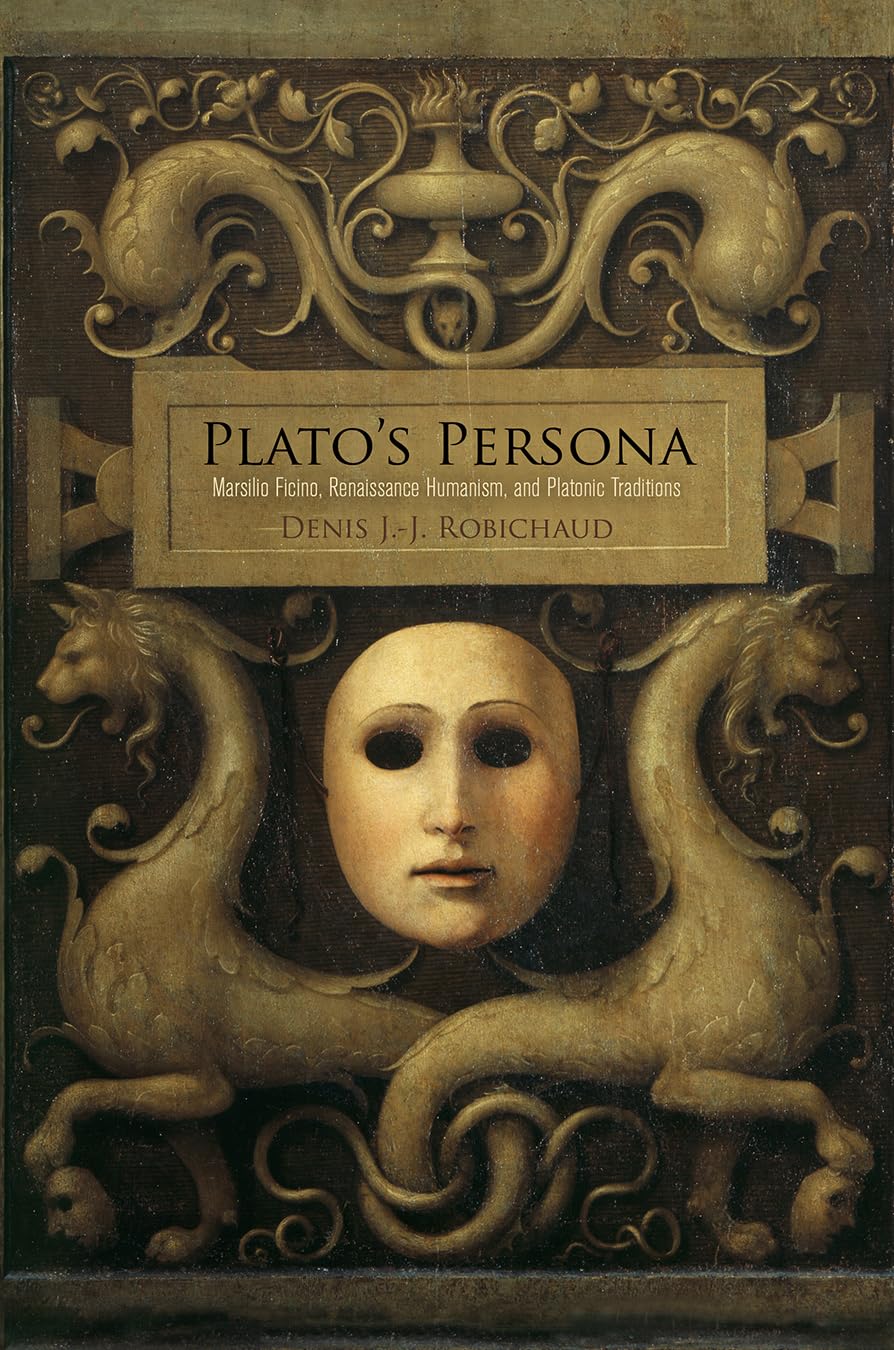
Plato'S Persona: Marsilio Ficino, Renaissance Humanism, And Platonic Traditions,Used
Sold by Ergodebooks, an authorized reseller.
Returns accepted within 30 days | support@ergodebooks.com
Shipping Information
- Free Standard Shipping — United States only
- Processing Time: 3–5 business days
- Estimated Delivery: 6–10 business days after dispatch
- Double-boxed, fully insured & discreetly packaged
- Tracking number sent via email once dispatched
Returns & Refund
Returns accepted within 30 days of delivery.
Damaged or Defective Item
Free return shipping + replacement or full refund
Wrong Item Received
Free return shipping + replacement or full refund
Change of Mind
Return shipping at customer's expense · 25% restocking fee applies
Payment Option

In 1484, humanist philosopher and theologian Marsilio Ficino published the first complete Latin translation of Plato's extant works. Students of Plato now had access to the entire range of the dialogues, which revealed to Renaissance audiences the rich ancient landscape of myths, allegories, philosophical arguments, etymologies, fragments of poetry, other works of philosophy, aspects of ancient pagan religious practices, concepts of mathematics and natural philosophy, and the dialogic nature of the Platonic corpus's interlocutors. By and large, Renaissance readers in the Latin West encountered Plato's text through Ficino's translations and interpretation.In Plato's Persona, Denis J.J. Robichaud provides the first synthetic study of Ficino's interpretation of the Platonic corpus. Robichaud analyzes Plato's works in their original Greek and in Ficino's Latin translations, as well as Ficino's nonPlatonic writings and correspondence, in the process uncovering new aspects of Ficino's intellectual work habits. In his letters and works, Ficino selfconsciously imitated a Platonic style of prose, in effect devising a persona for himself as a Platonic philosopher. Plato's dialogues are populated with a wealth of literary characters with whom Plato interacts and against whom Plato refines his own philosophies. Reading through Ficino's translations, Robichaud finds that the Renaissance philosopher seeks an understanding of Plato's persona(e) among all the dialogues' interlocutors. In effect, Ficino assumed the role of Plato's Latin spokesperson in the Renaissance.Plato's Persona is grounded in an extensive study of scholarship in Renaissance humanism, classics, philosophy, and intellectual history, and contextualizes Ficino's intellectual achievements within the contemporary Christian orthodox view of Platonism. Ficino was an influential figure in the early Italian Renaissance: the key intermediary between Greek and Latin, and between manuscript and print, giving voice to Plato and access to the ancient frameworks needed to interpret his dialogues.
⚠️ WARNING (California Proposition 65):
This product may contain chemicals known to the State of California to cause cancer, birth defects, or other reproductive harm.
For more information, please visit www.P65Warnings.ca.gov.