
Title
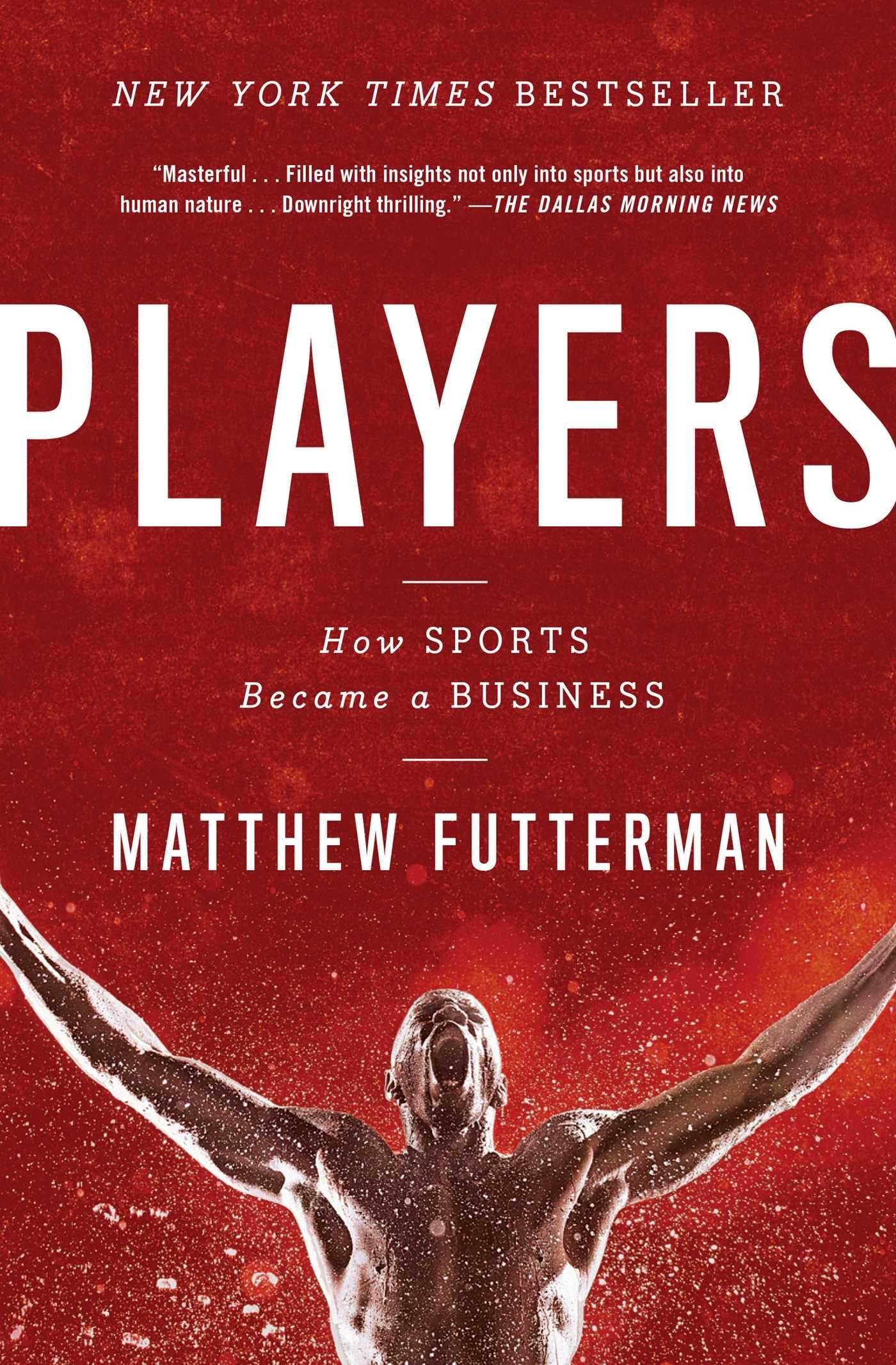
Players: How Sports Became a Business,Used
Sold by Ergodebooks, an authorized reseller.
Returns accepted within 30 days | support@ergodebooks.com
Shipping Information
- Free Standard Shipping — United States only
- Processing Time: 3–5 business days
- Estimated Delivery: 6–10 business days after dispatch
- Double-boxed, fully insured & discreetly packaged
- Tracking number sent via email once dispatched
Returns & Refund
Returns accepted within 30 days of delivery.
Damaged or Defective Item
Free return shipping + replacement or full refund
Wrong Item Received
Free return shipping + replacement or full refund
Change of Mind
Return shipping at customer's expense · 25% restocking fee applies
Payment Option

Provocativeterrific stories (The New Yorker) of the people who transformed sportsin the span of a single generationfrom a job that required even top athletes to work in the offseason to make ends meet into a massive global business.It started, as most business deals do, with a handshake. In 1960, a Cleveland lawyer named Mark McCormack convinced a golfer named Arnold Palmer to sign with him. McCormack simply believed that the best athletes had more commercial value than they were being paid forand he was right. Within a few years, he raised Palmers annual income from $5,000 to $500,000, and forever changed the landscape of the sports industry, transforming it from a form of entertainment to a profitable and fully functioning system of its own.A remarkable sagafilled with insights not only into sports, but also into human nature (The Dallas Morning News), Players features landmark moments, including the multiyear battle to free Palmer from a bad deal with the Wilson Sporting Goods Company; the 1973 Wimbledon boycott, when eightyone of the top tennis players in the world protested the suspension of Nikola Pilic; baseball pitcher Catfish Hunters battle to become MLBs first free agent; and how NFL executives transformed pro football from a commercial dud to the greatest show on earth.An entertaining, illuminating read (New York Journal of Books), Players is a riveting, flyonthewall account of the rise and creation of the modern sports world, and the people who made it happen. No part of the media and entertainment industry has seen a more substantial economic transformation than sports.A halfcentury tour spanning a variety of widely recognized and lesserknown sports figures and competitions that have played roles in the industrys development.Players could not be more timely (The New York Times).
⚠️ WARNING (California Proposition 65):
This product may contain chemicals known to the State of California to cause cancer, birth defects, or other reproductive harm.
For more information, please visit www.P65Warnings.ca.gov.
- Q: What is the page count of the book? A: This book has three hundred thirty-six pages. It provides in-depth insights into the transformation of sports into a business.
- Q: What is the binding type of this book? A: The book is available in paperback binding. This makes it lightweight and easy to carry around.
- Q: Who is the author of 'Players: How Sports Became a Business'? A: The author of this book is Matthew Futterman. He shares compelling stories of sports figures and industry changes.
- Q: What themes are covered in this book? A: The book covers themes of sports business, athlete representation, and significant historical events in sports. It highlights the evolution of sports as a commercial entity.
- Q: Is this book suitable for young readers? A: Yes, the book is generally suitable for older teens and adults. It discusses complex themes that may not be appropriate for younger children.
- Q: What genre does this book belong to? A: This book belongs to the non-fiction genre, specifically focusing on sports history and business. It provides factual accounts of industry changes.
- Q: How should I store this book? A: Store this book in a cool, dry place away from direct sunlight. Proper storage will help preserve its condition over time.
- Q: Can this book be damaged easily? A: Yes, like most paperbacks, it can be damaged if not handled carefully. Avoid bending or folding the pages to maintain its quality.
- Q: What should I do if the book arrives damaged? A: If the book arrives damaged, contact the retailer for a return or exchange. Most retailers have a customer service policy for damaged items.
- Q: Is this book recommended for sports business students? A: Yes, it is recommended for sports business students. The book provides valuable insights into the industry's evolution and key figures.
- Q: Does the book contain illustrations or images? A: No, this book does not contain illustrations or images. It focuses on text-based narratives and accounts of sports history.
- Q: How can I maximize my understanding of this book? A: To maximize your understanding, consider taking notes on key events and figures mentioned. Engaging with discussion groups can also enhance your comprehension.
- Q: Are there any notable figures discussed in this book? A: Yes, notable figures such as Arnold Palmer and key executives in sports are discussed. Their stories illustrate the book's main themes.
- Q: What is the primary focus of 'Players: How Sports Became a Business'? A: The primary focus is on the transformation of sports into a global business. It explores historical moments that shaped the industry.
- Q: Is this book part of a series? A: No, this book is not part of a series. It stands alone as an individual exploration of sports business history.
- Q: What are some key events covered in the book? A: Key events include the 1973 Wimbledon boycott and the rise of free agency in baseball. These events illustrate the book's major themes.