
Title
Plotting the Prince: Shotoku Cults and the Mapping of Medieval Japanese Buddhism,New
Processing time: 1-3 days
US Orders Ships in: 3-5 days
International Orders Ships in: 8-12 days
Return Policy: 15-days return on defective items
Payment Option

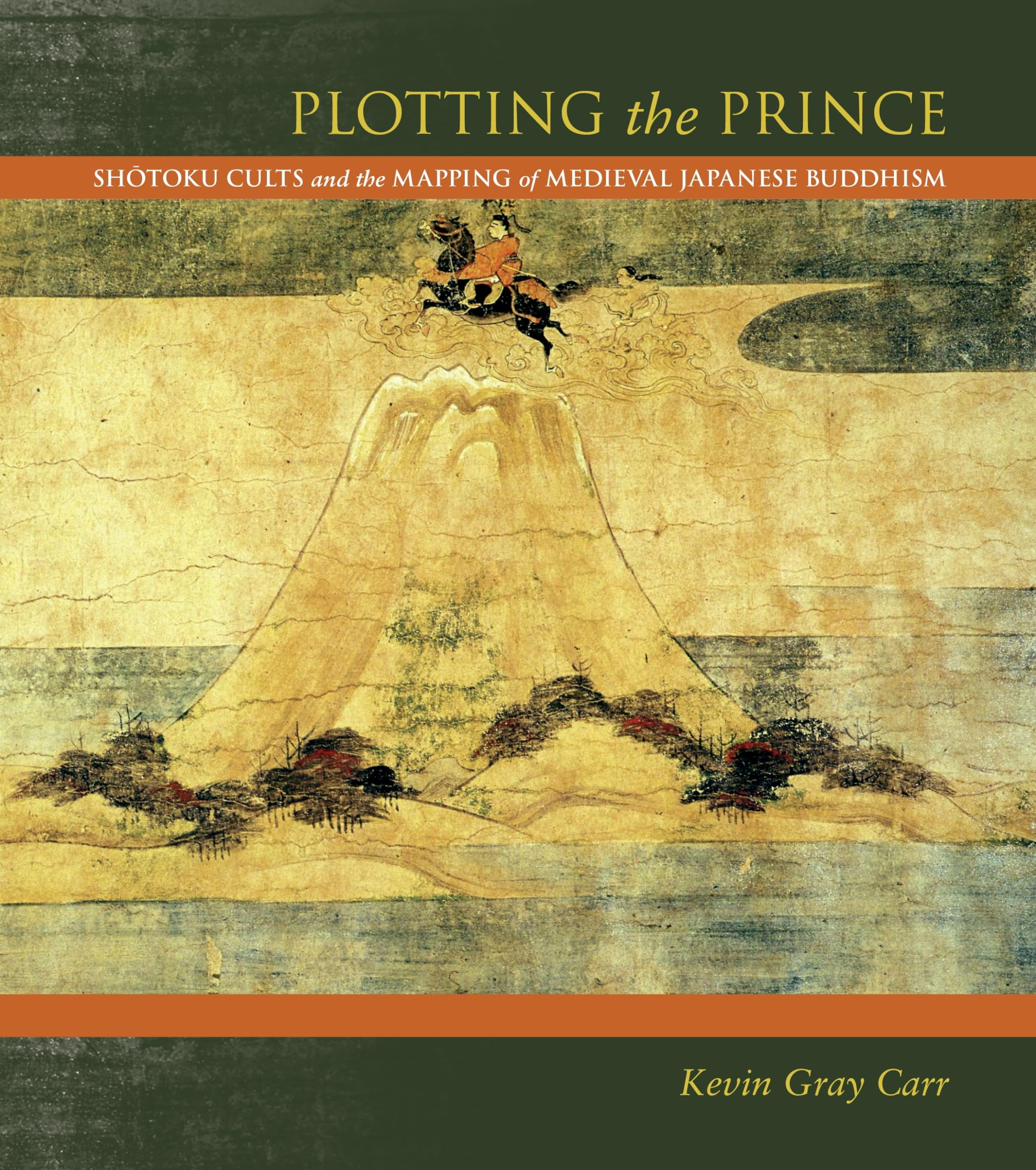
Plotting the Prince traces the development of conceptual maps of the world created through the telling of stories about Prince Shotoku (573?622?), an eminent statesman who is credited with founding Buddhism in Japan. It analyzes his place in the sacred landscape and the material relics of the cult of personality dedicated to him, focusing on the art created from the tenth to fourteenth centuries. The book asks not only who Shotoku was, but also how images of his life served the needs of devotees in early medieval Japan.Even today Shotoku evokes images of a halfreal, halfmythical figure who embodied the highest political, social, and religious ideals. Taking up his story about four centuries after his death, this study traces the genesis and progression of Shotokus sacred personas in art to illustrate their connection to major religious centers such as Shitennoji and Horyuji. It argues that mapping and storytelling are sister actsboth structuring the world in subtle but compelling waysthat combined in visual narratives of Shotokus life to shape conceptions of religious legitimacy, communal history, and sacred geography.Plotting the Prince introduces much new material and presents provocative interpretations that call upon art historians to rethink fundamental conceptions of narrative and cultic imagery. It offers social and political historians a textured look at the creation of communal identities on both local and state levels, scholars of religion a substantially new way of understanding key developments in doctrine and practice, and those studying the past in general a clear instance of visual hagiography taking precedence over the textual tradition.
⚠️ WARNING (California Proposition 65):
This product may contain chemicals known to the State of California to cause cancer, birth defects, or other reproductive harm.
For more information, please visit www.P65Warnings.ca.gov.
- Q: How many pages does this book have? A: This book has two hundred sixty pages. It provides a comprehensive look at the life and influence of Prince Shōtoku in medieval Japan.
- Q: What is the binding type of this book? A: This book is hardcover. The durable binding ensures it withstands frequent handling and adds to its aesthetic appeal.
- Q: What are the dimensions of this book? A: The book measures approximately seven point nine one inches in length, zero point nine one inches in width, and eight point eight two inches in height. These dimensions make it a manageable size for reading.
- Q: Who is the author of this book? A: The author is Kevin Gray Carr. He provides insightful analysis on the cultural and historical significance of Prince Shōtoku.
- Q: What is the genre of this book? A: The genre of this book is criticism. It deeply explores themes of religious legitimacy and communal identity through art and narrative.
- Q: What themes are explored in the book? A: The book explores themes of Buddhism, cultural identity, and the interplay between storytelling and visual representation. It examines how these elements shape perceptions of Prince Shōtoku.
- Q: Is this book suitable for academic research? A: Yes, this book is suitable for academic research. It introduces new material and interpretations relevant to art historians, social historians, and scholars of religion.
- Q: Can this book be used as a reference for studying medieval Japanese Buddhism? A: Yes, this book serves as a valuable reference for studying medieval Japanese Buddhism. Its detailed analysis of Prince Shōtoku's cult provides insight into the religious landscape of that era.
- Q: How do I care for this hardcover book? A: To care for this hardcover book, store it upright in a cool, dry place away from direct sunlight. Avoid exposing it to moisture to preserve its condition.
- Q: What is the condition of the book? A: The book is listed as used but in good condition. It should be free from significant wear and tear, making it suitable for reading.
- Q: Is this book appropriate for beginners in the subject? A: Yes, this book is appropriate for beginners. It provides foundational knowledge while also engaging more advanced readers with its detailed analysis.
- Q: Are there illustrations or images in the book? A: Yes, the book includes illustrations that complement the text. These visuals help readers understand the artistic representations of Prince Shōtoku.
- Q: What if I receive a damaged book? A: If you receive a damaged book, contact the seller for a return or exchange. Most sellers have policies in place to address such issues.
- Q: Is there a warranty for this book? A: Typically, books do not come with a warranty. However, check with the seller for any specific return policies.
- Q: Can I find this book in libraries? A: Yes, this book may be available in libraries. It's advisable to check local library catalogs or interlibrary loan services for availability.