
Title
Policymaking for Social Security,Used
Sold by Ergodebooks, an authorized reseller.
Returns accepted within 30 days | support@ergodebooks.com
Shipping Information
- Free Standard Shipping — United States only
- Processing Time: 3–5 business days
- Estimated Delivery: 6–10 business days after dispatch
- Double-boxed, fully insured & discreetly packaged
- Tracking number sent via email once dispatched
Returns & Refund
Returns accepted within 30 days of delivery.
Damaged or Defective Item
Free return shipping + replacement or full refund
Wrong Item Received
Free return shipping + replacement or full refund
Change of Mind
Return shipping at customer's expense · 25% restocking fee applies
Payment Option

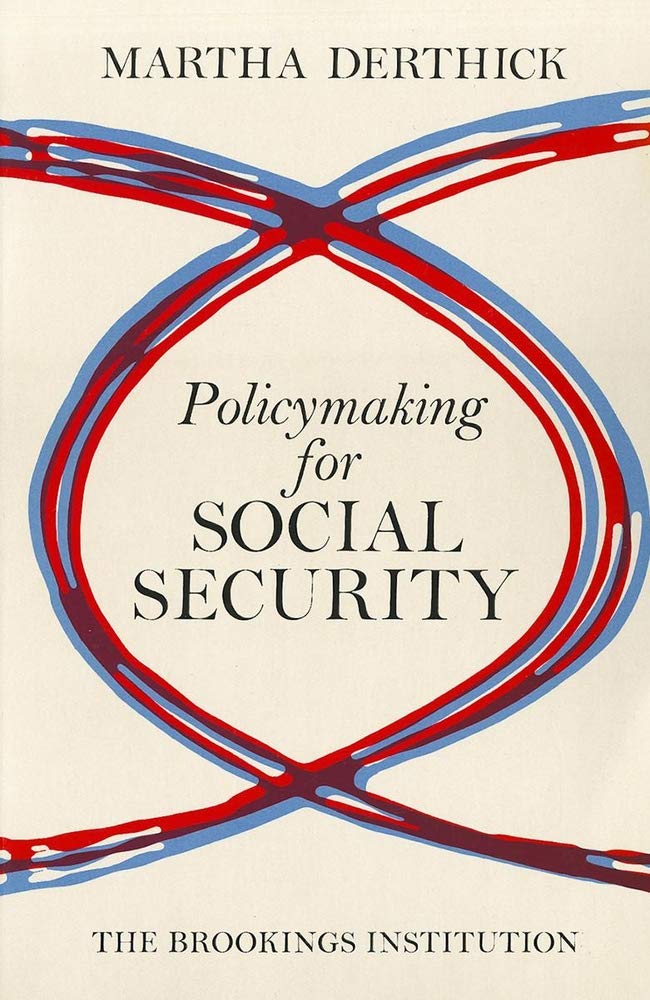
Americans are becoming more aware of their social security program and less contented with it. They see their taxes rising and are not sure that they will get their money's worth in future benefits. In the mid1970s costs unexpectedly outran revenues, and in 1977 Congress reluctantly took action; but it had no sooner enacted new taxes than members began submitting bills to revise them. A social security taxpayers' revolt seemed to be brewing.No longer a ''sacred cow,'' as Milton Friedman once remarked of it, the program has come increasingly under fire. Martha Derthick, in this comprehensive analysis of policymaking for social security, concludes that such criticism is healthy and that reexamination of longestablished doctrines and policies is very much to be desired. In the past, she writes, ''the nature of policymaking did little to correct, but instead reinforced, a complacent, poorly informed acceptance of the programparticipation was so narrowly confined; expert proprietary dominance was so complete; debate was so limited; the technicality was so appealing; and the forward steps each seemed so small.''With detailed documentation from primary sources, Derthick shows how policymaking has been dominated until recently by a small group of specialists. But now, with difficult times ahead, the pattern is changing, and more people inside and outside the government seek to influence decisions. Derthick argues that this trend should be encouraged. In her view, social security ought to be treated like any other government program and be subject to the same competitive pressures. Reduction of benefits, hitherto considered a forbidden topic, ought to be open to political debate.Derthick has divided the book into four parts, dealing first with the small group of men and women who molded the program; next with the basic policies that have governed it; and third with the politics of expansion in three areasdisability coverage, medicare, and cash b'
⚠️ WARNING (California Proposition 65):
This product may contain chemicals known to the State of California to cause cancer, birth defects, or other reproductive harm.
For more information, please visit www.P65Warnings.ca.gov.