If you have any questions, you are always welcome to contact us. We'll get back to you as soon as possible, withing 24 hours on weekdays.
Customer service
All questions about your order, return and delivery must be sent to our customer service team by e-mail at yourstore@yourdomain.com
Sale & Press
If you are interested in selling our products, need more information about our brand or wish to make a collaboration, please contact us at press@yourdomain.com
Help
If you have any questions, you are always welcome to contact us. We'll get back to you as soon as possible, withing 24 hours on weekdays.
Customer service
All questions about your order, return and delivery must be sent to our customer service team by e-mail at yourstore@yourdomain.com
Sale & Press
If you are interested in selling our products, need more information about our brand or wish to make a collaboration, please contact us at press@yourdomain.com
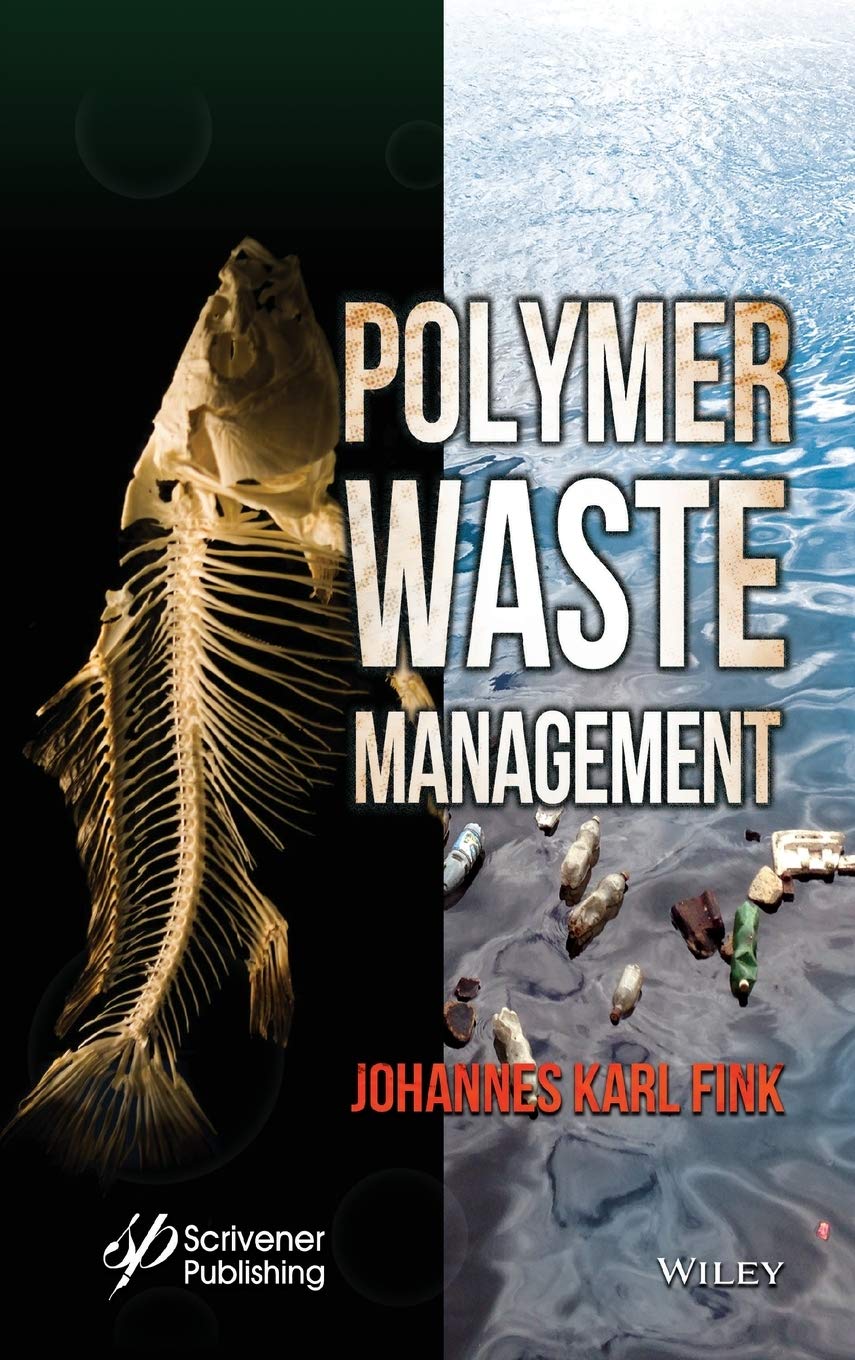
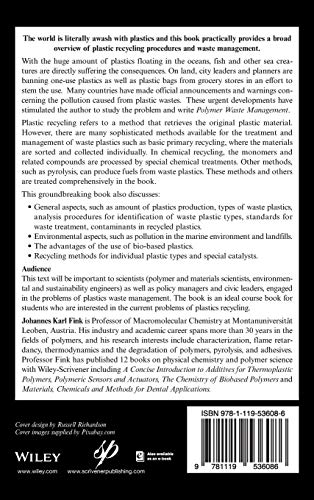
The world is literally awash with plastics and this book practically provides a broad overview of plastic recycling procedures and waste management.With the huge amount of plastics floating in the oceans, fish and other sea creatures are directly suffering the consequences. On land, city leaders and planners are banning oneuse plastics as well as plastic bags from grocery stores in an effort to stem the use. Many countries have made official announcements and warnings concerning the pollution caused from plastic wastes. These urgent developments have stimulated the author to study the problem and write Polymer Waste Management.Plastic recycling refers to a method that retrieves the original plastic material. However, there are many sophisticated methods available for the treatment and management of waste plastics such as basic primary recycling, where the materials are sorted and collected individually. In chemical recycling, the monomers and related compounds are processed by special chemical treatments. Other methods, such as pyrolysis, can produce fuels from waste plastics. These methods and others are treated comprehensively in the book.This groundbreaking book also discusses: General aspects, such as amount of plastics production, types of waste plastics, analysis procedures for identification of waste plastic types, standards for waste treatment, contaminants in recycled plastics. Environmental aspects, such as pollution in the marine environment and landfills. The advantages of the use of biobased plastics. Recycling methods for individual plastic types and special catalysts.
⚠️ WARNING (California Proposition 65):
This product may contain chemicals known to the State of California to cause cancer,
birth defects, or other reproductive harm.
For MAP (Minimum Advertised Price) violations and Intellectual Property (IP) or Trademark concerns, please contact:
support@ergodebooks.com
⚠️ California Proposition 65 Warning: Some products sold on this website may expose you to chemicals known to the State of California to cause cancer, birth defects, or other reproductive harm. For more information, visit www.P65Warnings.ca.gov.