
Title
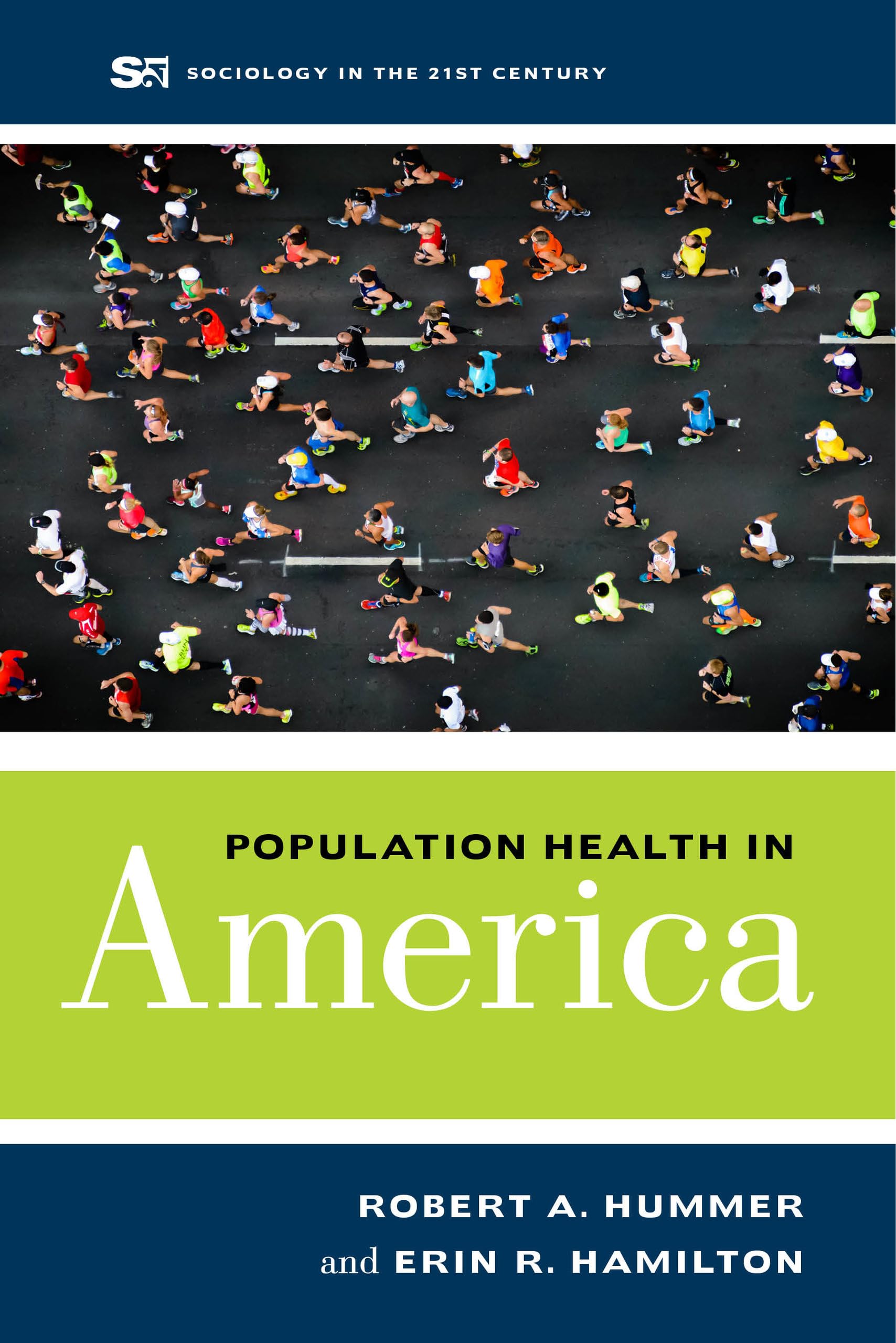
Population Health in America (Sociology in the TwentyFirst Century) (Volume 5),Used
Sold by Ergodebooks, an authorized reseller.
Returns accepted within 30 days | support@ergodebooks.com
Shipping Information
- Free Standard Shipping — United States only
- Processing Time: 3–5 business days
- Estimated Delivery: 6–10 business days after dispatch
- Double-boxed, fully insured & discreetly packaged
- Tracking number sent via email once dispatched
Returns & Refund
Returns accepted within 30 days of delivery.
Damaged or Defective Item
Free return shipping + replacement or full refund
Wrong Item Received
Free return shipping + replacement or full refund
Change of Mind
Return shipping at customer's expense · 25% restocking fee applies
Payment Option

In this engaging and accessibly written book, Population Health in America weaves demographic data with social theory and research to help students understand health patterns and trends in the U.S. population. While life expectancy was estimated to be just 37 years in the United States in 1870, today it is more than twice as long, at over 78 years. Yet today, life expectancy in the U.S. lags behind almost all other wealthy countries. Within the U.S., there are substantial social inequalities in health and mortality: women live longer but less healthier lives than men; African Americans and Native Americans live far shorter lives than Asian Americans and White Americans; and socioeconomic inequalities in health have been widening over the past 20 years. What accounts for these population health patterns and trends?Inviting students to delve into population health trends and disparities, demographers Robert Hummer and Erin Hamilton provide an easily understandable historical and contemporary portrait of U.S. population health. Perfect for courses such as population health, medical or health sociology, social epidemiology, health disparities, demography, and others, as well as for academic researchers and lay persons interested in better understanding the overall health of the country, Population Health in America also challenges students, academics, and the public to understand current health policy priorities and to ask whether considerably different directions are needed.
⚠️ WARNING (California Proposition 65):
This product may contain chemicals known to the State of California to cause cancer, birth defects, or other reproductive harm.
For more information, please visit www.P65Warnings.ca.gov.
- Q: What is the main focus of 'Population Health in America'? A: 'Population Health in America' focuses on analyzing health patterns and trends in the U.S. population by combining demographic data with social theory and research.
- Q: Who are the authors of this book? A: The book is authored by Robert Hummer and Erin Hamilton, both of whom are established demographers.
- Q: What topics does this book cover? A: The book covers topics such as life expectancy, social inequalities in health, demographic trends, and health disparities among different racial and socioeconomic groups.
- Q: Is this book suitable for academic courses? A: 'Population Health in America' is suitable for various academic courses, including population health, medical sociology, social epidemiology, and health disparities.
- Q: What is the publication date of this book? A: The book was published on July 9, 2019.
- Q: What is the format of the book? A: The book is available in paperback format.
- Q: How many pages does 'Population Health in America' have? A: The book contains 276 pages.
- Q: What edition of the book is available? A: 'Population Health in America' is available in its first edition.
- Q: What condition is the book in? A: The book is in new condition.
- Q: Can this book help in understanding current health policy priorities? A: Yes, the book invites readers to consider current health policy priorities and discusses whether different approaches are needed in addressing population health issues.