
Title
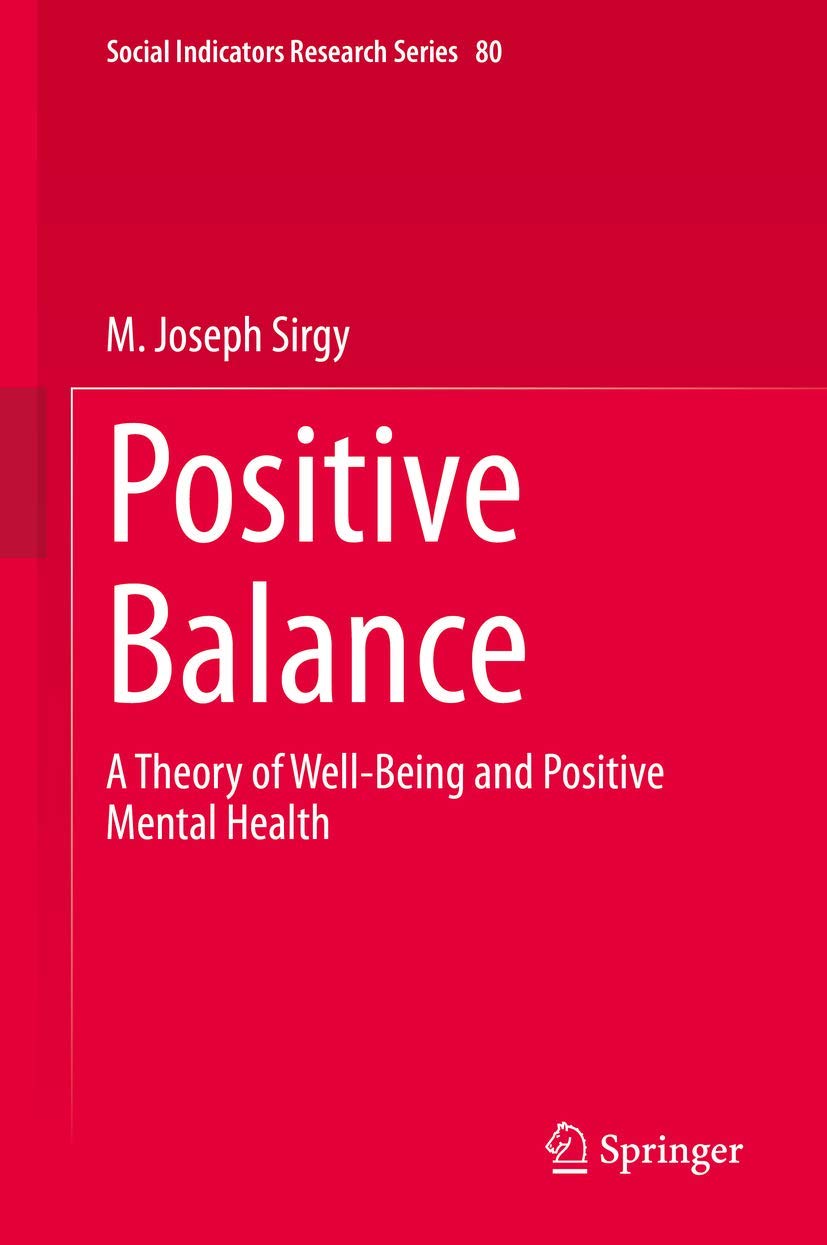
Positive Balance: A Theory of WellBeing and Positive Mental Health (Social Indicators Research Series, 80),Used
Sold by Ergodebooks, an authorized reseller.
Returns accepted within 30 days | support@ergodebooks.com
Shipping Information
- Free Standard Shipping — United States only
- Processing Time: 3–5 business days
- Estimated Delivery: 6–10 business days after dispatch
- Double-boxed, fully insured & discreetly packaged
- Tracking number sent via email once dispatched
Returns & Refund
Returns accepted within 30 days of delivery.
Damaged or Defective Item
Free return shipping + replacement or full refund
Wrong Item Received
Free return shipping + replacement or full refund
Change of Mind
Return shipping at customer's expense · 25% restocking fee applies
Payment Option

The book provides a new theory of wellbeing designed to integrate many disparate concepts of wellbeing, such as subjective wellbeing, personal happiness, mental wellbeing, emotional wellbeing, psychological wellbeing, hedonic wellbeing, social wellbeing, life satisfaction, domain satisfaction, and eudaimonia. It lays the foundation for a new a theory of mental wellbeing based on a hierarchical perspective of positive mental health and guided by the concept of positive balance.Written by a wellknown expert in the field, this book addresses the issue of positive balance related to physiological, emotional, cognitive, metacognitive, developmental and socialecological levels of an individual and analyses the factors at each level that contribute to an individuals positive mental health experience. It discusses in detail the effects of neurochemicals such as dopamine, serotonin, or cortisol; positive and negative affect; satisfaction in salient and multiple life domains visvis dissatisfaction in life domains; positive versus negative evaluations about ones life using certain standards of comparison; positive psychological traits of personal growth and intrinsic motivation, etc. visvis negative traits like pessimism and impulsiveness; and perceived social resources like social contribution and social actualization visvis perceived constraints like exclusion and ostracism. This original work is of interest to students, researchers and practitioners of quality of life and wellbeing studies, positive psychology, developmental psychology and mental health..
⚠️ WARNING (California Proposition 65):
This product may contain chemicals known to the State of California to cause cancer, birth defects, or other reproductive harm.
For more information, please visit www.P65Warnings.ca.gov.