If you have any questions, you are always welcome to contact us. We'll get back to you as soon as possible, withing 24 hours on weekdays.
Customer service
All questions about your order, return and delivery must be sent to our customer service team by e-mail at yourstore@yourdomain.com
Sale & Press
If you are interested in selling our products, need more information about our brand or wish to make a collaboration, please contact us at press@yourdomain.com
Help
If you have any questions, you are always welcome to contact us. We'll get back to you as soon as possible, withing 24 hours on weekdays.
Customer service
All questions about your order, return and delivery must be sent to our customer service team by e-mail at yourstore@yourdomain.com
Sale & Press
If you are interested in selling our products, need more information about our brand or wish to make a collaboration, please contact us at press@yourdomain.com
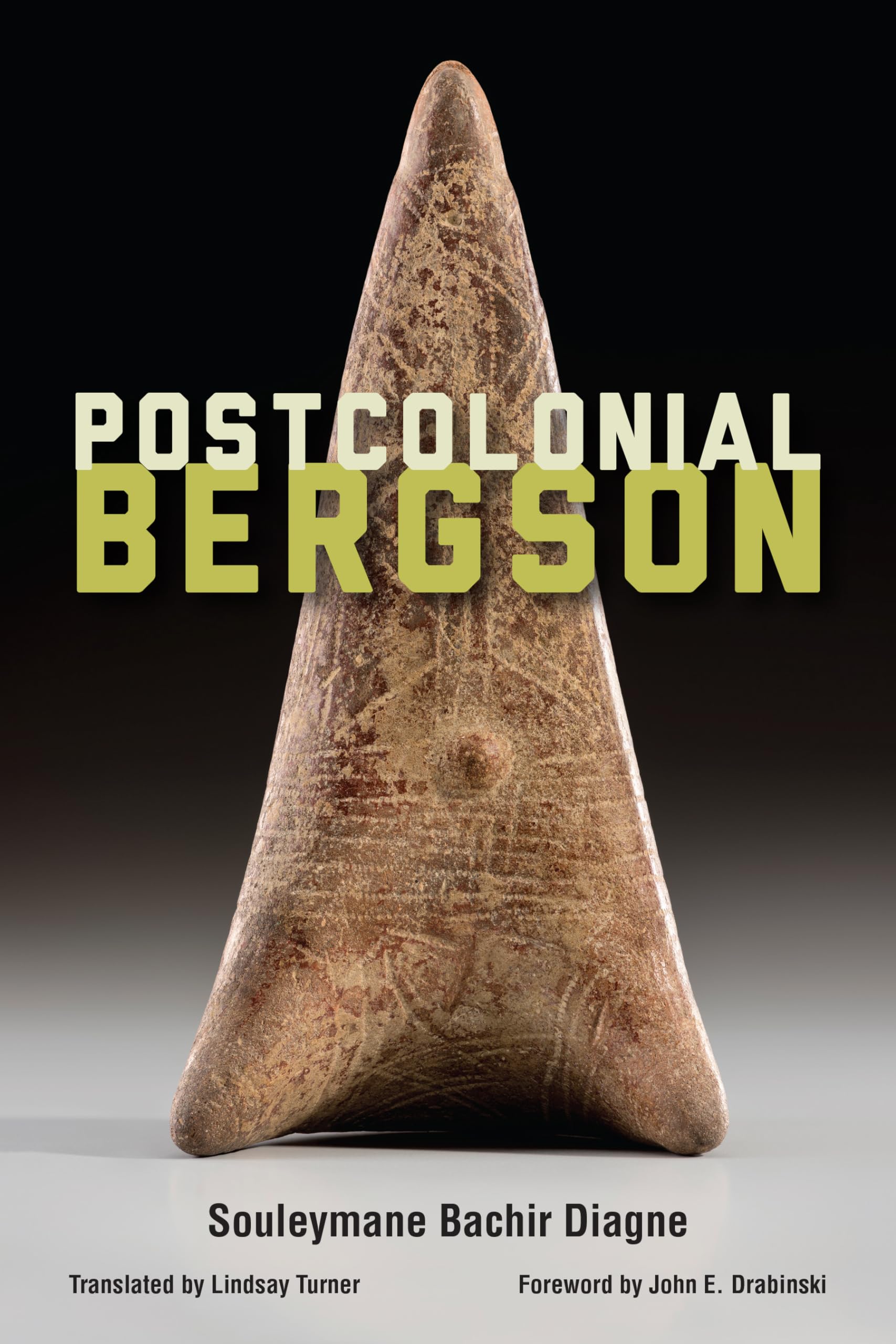
Henri Bergson has been the subject of keen interest within French philosophy ever since being championed by Gilles Deleuze and others. Yet his influence extends well beyond European philosophy, especially within Africa and South Asia. Postcolonial Bergson traces the influence of Bergsons thought through the work of two major figures in the postcolonial struggle, Muhammad Iqbal and Lopold Sdar Senghor. Poets and statesmen as well as philosophers, both of these thinkersthe one Muslim and the other Catholicplayed an essential political and intellectual role in the independence of their respective countries. Both found, in Bergsons work, important support for their philosophical, cultural, and political projects.For Iqbal, a founding father of independent Pakistan, Bergsons conceptions of time and creative evolution resonated with the need for the reconstruction of religious thought in Islam, a religious thought newly able to incorporate innovation and change. For Senghor, Bergsonian ideas of perception, intuition, and lan vitalfiltered in part through the work of the French philosopher Pierre Teilhard de Chardinproved crucial for thinking about African art, as well as foundational for his formulations of African socialism and his visions of an unalienated African future.At a moment of renewed interest in Bergsons philosophy, this book, by a major figure in both French and African philosophy, gives an expanded idea of the political ramifications of Bergsons thought in a postcolonial context.
⚠️ WARNING (California Proposition 65):
This product may contain chemicals known to the State of California to cause cancer,
birth defects, or other reproductive harm.
For MAP (Minimum Advertised Price) violations and Intellectual Property (IP) or Trademark concerns, please contact:
support@ergodebooks.com
⚠️ California Proposition 65 Warning: Some products sold on this website may expose you to chemicals known to the State of California to cause cancer, birth defects, or other reproductive harm. For more information, visit www.P65Warnings.ca.gov.