
Title
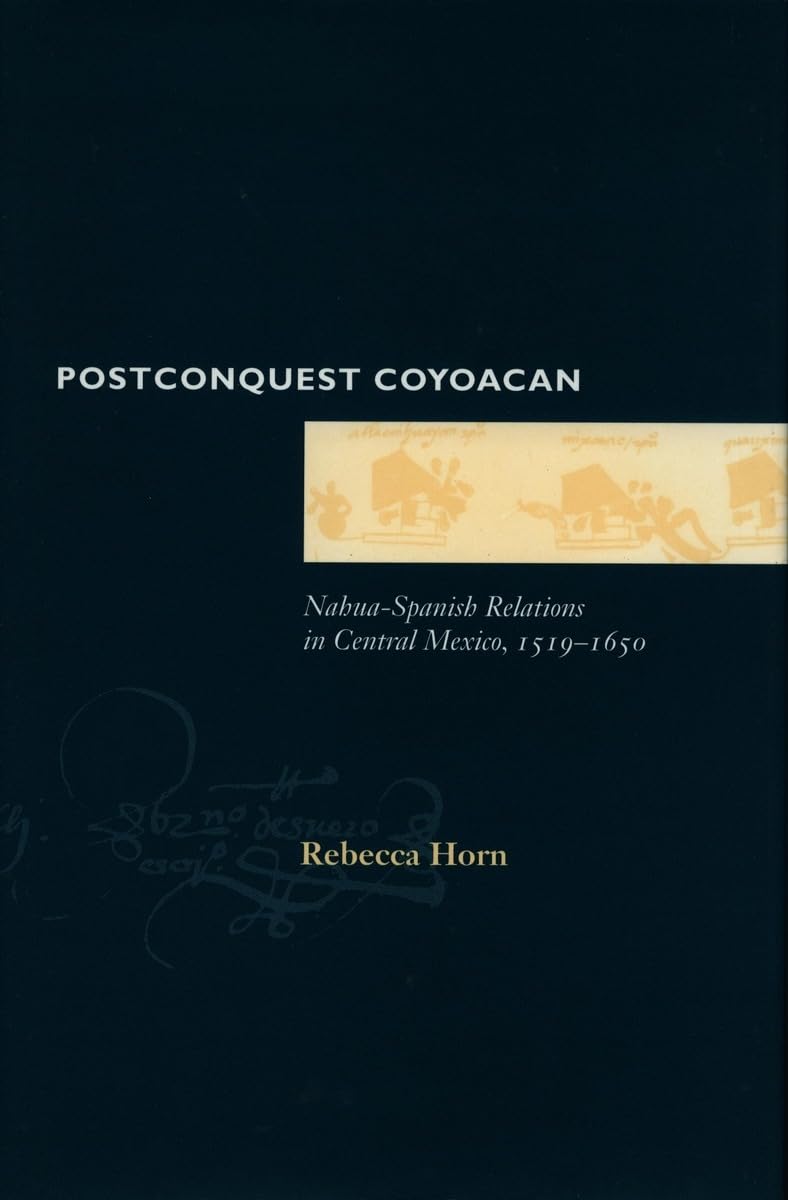
Postconquest Coyoacan: Nahuaspanish Relations In Central Mexico, 15191650,Used
Sold by Ergodebooks, an authorized reseller.
Returns accepted within 30 days | support@ergodebooks.com
Shipping Information
- Free Standard Shipping — United States only
- Processing Time: 3–5 business days
- Estimated Delivery: 6–10 business days after dispatch
- Double-boxed, fully insured & discreetly packaged
- Tracking number sent via email once dispatched
Returns & Refund
Returns accepted within 30 days of delivery.
Damaged or Defective Item
Free return shipping + replacement or full refund
Wrong Item Received
Free return shipping + replacement or full refund
Change of Mind
Return shipping at customer's expense · 25% restocking fee applies
Payment Option

This book studies Nahuas and Spaniards in the central Mexican jurisdiction of Coyoacan from the Spanish conquest until 1650, crafting a multidimensional portrait of their relations in both institutional and informal settings. Initially, the primary site of NahuaSpaniard contact was institutional, as Spanish authorities attempted to reshape local practices to fit their own notions and needs, changing regional states into Spanish municipalities and Christian parishes, local ruling bodies into town councils, and tribute goods into standardized payments in coin. These efforts were never entirely successful, as Nahuas only partially adjusted their own practices when faced with the changes initiated by the Spaniards. The author explores the ways in which new forms of government and economic customs developed, drawing on both Nahua and Spanish traditions. NahuaSpanish contact was not limited to formal political and economic settings. The author describes the development of Spanish estates and the market economy, which opened up a new arena of cultural contact in the countryside. A growing number of Nahuas found themselves working for a Spanish landowner, acquiring a horse for peddling fruit from a local Spaniard, or selling land to a newlyarrived Spaniard. The Spanish land market altered Nahua land tenure and led to the loss of much Nahua land. The author demonstrates how Nahua practices came into play as they resorted to indigenous concepts of land tenure to justify the sale of land or of legal process to formalize it. In bringing Nahuas and Spaniards together in this study, the book explores the changing contours of their relationship in Central Mexico, emphasizing informal interethnic contact in the making of both the Spanish colonial economy and postconquest Nahua society.
⚠️ WARNING (California Proposition 65):
This product may contain chemicals known to the State of California to cause cancer, birth defects, or other reproductive harm.
For more information, please visit www.P65Warnings.ca.gov.