If you have any questions, you are always welcome to contact us. We'll get back to you as soon as possible, withing 24 hours on weekdays.
Customer service
All questions about your order, return and delivery must be sent to our customer service team by e-mail at yourstore@yourdomain.com
Sale & Press
If you are interested in selling our products, need more information about our brand or wish to make a collaboration, please contact us at press@yourdomain.com
Help
If you have any questions, you are always welcome to contact us. We'll get back to you as soon as possible, withing 24 hours on weekdays.
Customer service
All questions about your order, return and delivery must be sent to our customer service team by e-mail at yourstore@yourdomain.com
Sale & Press
If you are interested in selling our products, need more information about our brand or wish to make a collaboration, please contact us at press@yourdomain.com
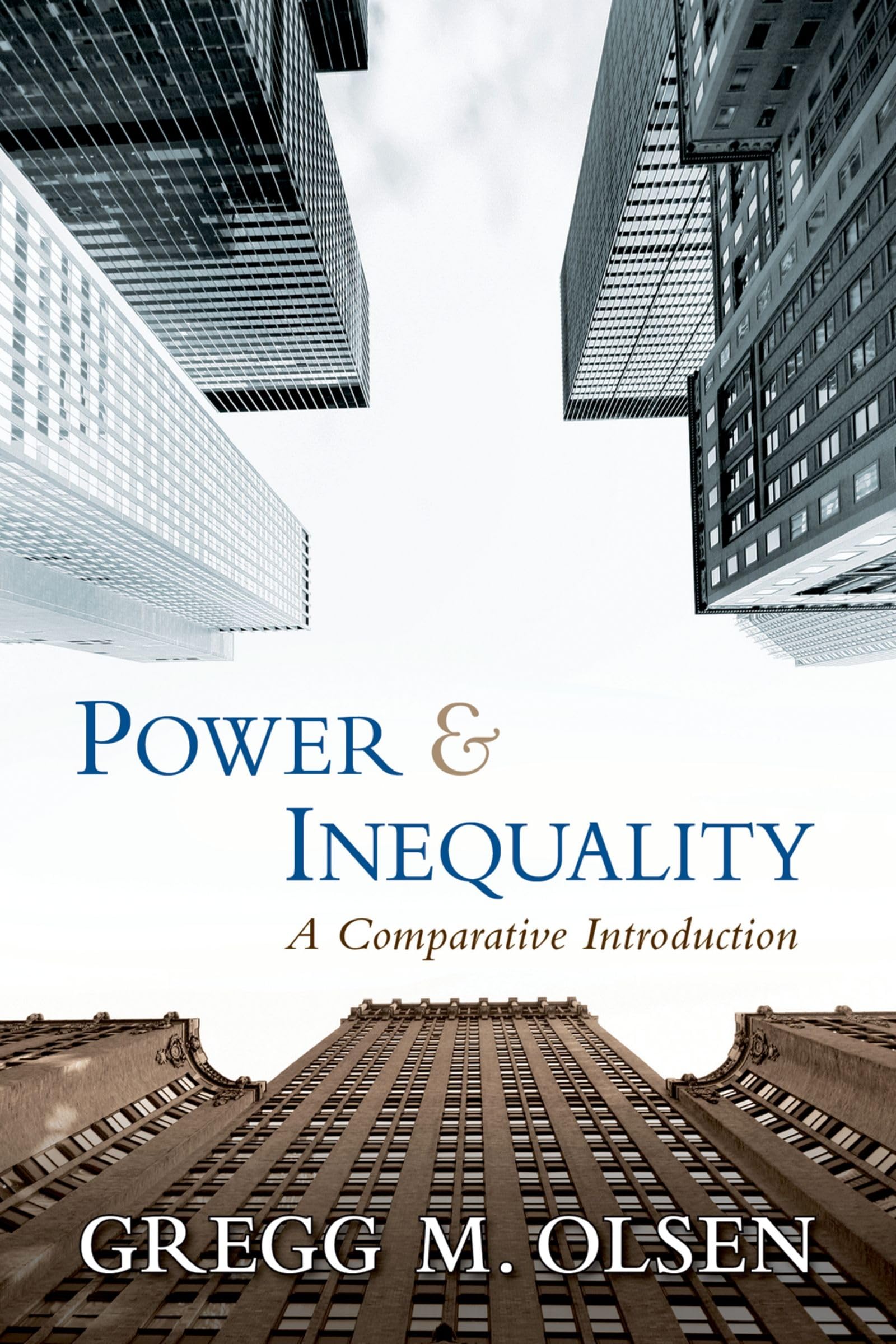
This groundbreaking book examines the nature and implications of social inequality in a new and illuminating way. Gregg Olsen examines key measures of social inequality and indicators of poverty across six selected nationsthree AngloAmerican countries (US, UK, and Canada), and three Nordic nations (Finland, Norway, and Sweden). Olsen's research shows that while inequality is an inherent and pervasive aspect of capitalism, and while the past few decades have seen sharp rises in inequality across the industrialized world, nonetheless substantial variances between countries continue to exist. In those countries like the US that have most zealously embraced neoliberalism, inequality and poverty have been exacerbated to a much greater degree than is the case in the Nordic lands, which still rank among the most egalitarian of countries. This crossnational variation challenges many prominent classical and contemporary theoretical accounts of inequality, and suggests that high levels of social inequality are neither necessary nor inevitable in advanced capitalist societies. They are, rather, the product of constellations of power and the interactions of social forces. Human beings create social inequality, and human beings possess the power to reduce such inequities.
⚠️ WARNING (California Proposition 65):
This product may contain chemicals known to the State of California to cause cancer,
birth defects, or other reproductive harm.
For MAP (Minimum Advertised Price) violations and Intellectual Property (IP) or Trademark concerns, please contact:
support@ergodebooks.com
⚠️ California Proposition 65 Warning: Some products sold on this website may expose you to chemicals known to the State of California to cause cancer, birth defects, or other reproductive harm. For more information, visit www.P65Warnings.ca.gov.