
Title
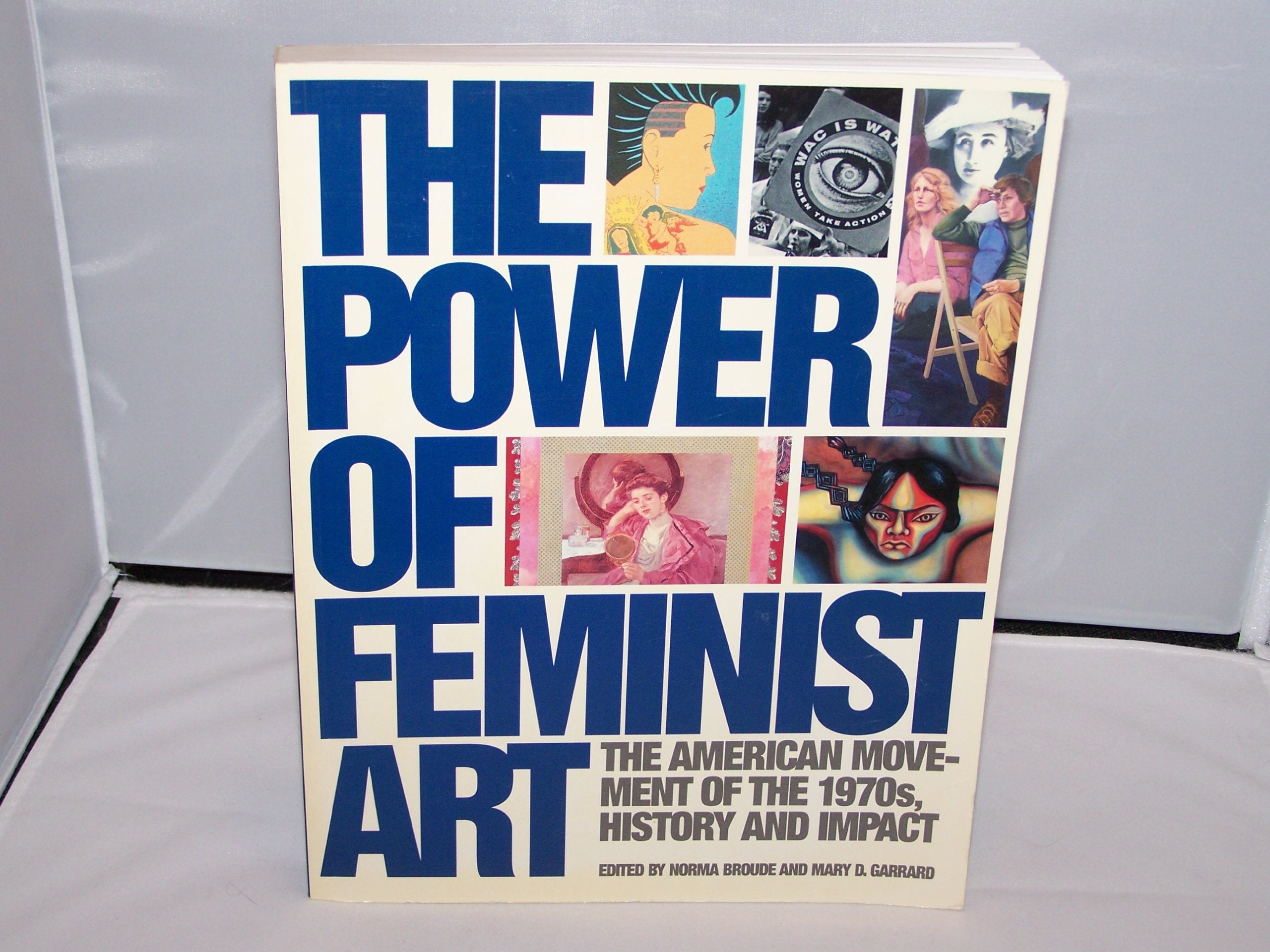
Power Of Feminist Art: The American Movement Of The 1970 S History And Impact
Sold by Ergodebooks, an authorized reseller.
Returns accepted within 30 days | support@ergodebooks.com
Shipping Information
- Free Standard Shipping — United States only
- Processing Time: 3–5 business days
- Estimated Delivery: 6–10 business days after dispatch
- Double-boxed, fully insured & discreetly packaged
- Tracking number sent via email once dispatched
Returns & Refund
Returns accepted within 30 days of delivery.
Damaged or Defective Item
Free return shipping + replacement or full refund
Wrong Item Received
Free return shipping + replacement or full refund
Change of Mind
Return shipping at customer's expense · 25% restocking fee applies
Payment Option

The Power Of Feminist Art Is Not A Book: It'S A Milestone. . . . Until Power, Feminist Art Has Been Conspicuously Absent From Standard Academic Narratives. . . . Now, No Critic Or Historian, Conservative Or Not, Can Argue That Feminist Art Is Insignificant.Elizabeth Hess, Village Voice. 270 Illustrations, 118 In Full Color.
⚠️ WARNING (California Proposition 65):
This product may contain chemicals known to the State of California to cause cancer, birth defects, or other reproductive harm.
For more information, please visit www.P65Warnings.ca.gov.
- Q: How many pages does this book have? A: This book has three hundred twenty pages. It offers an in-depth exploration of feminist art and its historical significance.
- Q: What are the dimensions of this book? A: The book measures nine point zero two inches in length, one inch in width, and eleven point five inches in height. These dimensions make it a manageable size for reading.
- Q: What type of binding does this book have? A: This book is a paperback. Paperback bindings are flexible and lightweight, making them ideal for casual reading.
- Q: Who is the author of this book? A: The author of this book is Norma Broude. She is known for her contributions to feminist art history.
- Q: What is the genre of this book? A: The genre of this book is criticism. It critically examines the impact of feminist art on the American art scene.
- Q: Is this book suitable for all ages? A: Yes, this book is suitable for all ages. It provides educational content about feminist art without explicit material.
- Q: How can I use this book for research? A: You can use this book as a resource for understanding feminist art movements. It's valuable for both academic studies and personal enrichment.
- Q: Are there illustrations in this book? A: Yes, the book includes two hundred seventy illustrations, with one hundred eighteen in full color. These visuals enhance the understanding of the text.
- Q: What is the reading level for this book? A: The reading level is suitable for high school and above. It is designed for readers interested in art history and feminism.
- Q: How should I store this book? A: Store this book in a dry, cool place to preserve its condition. Avoid direct sunlight to prevent fading of the cover and pages.
- Q: Can I clean this book if it gets dirty? A: Yes, you can gently clean the cover with a damp cloth. Avoid using harsh chemicals that can damage the cover or pages.
- Q: What if the book arrives damaged? A: If the book arrives damaged, you should contact the seller for return or exchange options. Most retailers have policies in place for such situations.
- Q: Is there a warranty for this book? A: No, there is typically no warranty for books. However, check with the seller for their return policy.
- Q: How does this book compare to other feminist art books? A: This book is unique due to its comprehensive historical context and critical analysis of the feminist art movement in America. It stands out among similar titles.
- Q: Is this book recommended for beginners in art history? A: Yes, this book is recommended for beginners. It provides foundational knowledge and insights into feminist art movements.
- Q: What is the significance of this book in feminist art? A: The significance of this book lies in its role as a pivotal resource. It addresses the absence of feminist art in traditional narratives.