If you have any questions, you are always welcome to contact us. We'll get back to you as soon as possible, withing 24 hours on weekdays.
Customer service
All questions about your order, return and delivery must be sent to our customer service team by e-mail at yourstore@yourdomain.com
Sale & Press
If you are interested in selling our products, need more information about our brand or wish to make a collaboration, please contact us at press@yourdomain.com
Help
If you have any questions, you are always welcome to contact us. We'll get back to you as soon as possible, withing 24 hours on weekdays.
Customer service
All questions about your order, return and delivery must be sent to our customer service team by e-mail at yourstore@yourdomain.com
Sale & Press
If you are interested in selling our products, need more information about our brand or wish to make a collaboration, please contact us at press@yourdomain.com
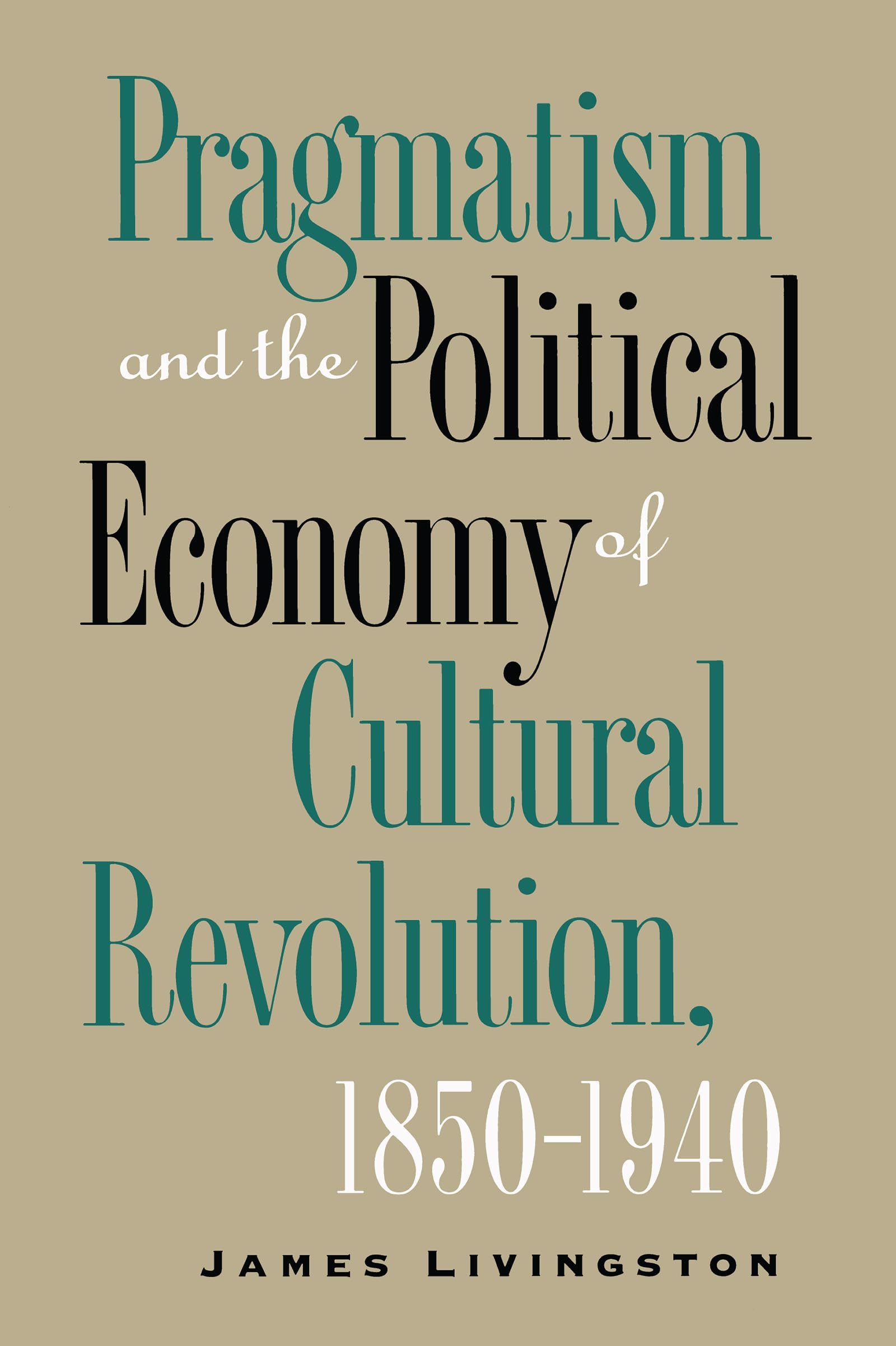
The rise of corporate capitalism was a cultural revolution as well as an economic event, according to James Livingston. That revolution resides, he argues, in the fundamental reconstruction of selfhood, or subjectivity, that attends the advent of an 'age of surplus' under corporate auspices. From this standpoint, consumer culture represents a transition to a society in which identities as well as incomes are not necessarily derived from the possession of productive labor or property. From the same standpoint, pragmatism and literary naturalism become ways of accommodating the new forms of solidarity and subjectivity enabled by the emergence of corporate capitalism. So conceived, they become ways of articulating alternatives to modern, possessive individualism. Livingston argues accordingly that the flight from pragmatism led by Lewis Mumford was an attempt to refurbish a romantic version of modern, possessive individualism. This attempt still shapes our reading of pragmatism, Livingston claims, and will continue to do so until we understand that William James was not merely a wellmeaning middleman between Charles Peirce and John Dewey and that James's pragmatism was both a working model of postmodern subjectivity and a novel critique of capitalism.
⚠️ WARNING (California Proposition 65):
This product may contain chemicals known to the State of California to cause cancer,
birth defects, or other reproductive harm.
For MAP (Minimum Advertised Price) violations and Intellectual Property (IP) or Trademark concerns, please contact:
support@ergodebooks.com
⚠️ California Proposition 65 Warning: Some products sold on this website may expose you to chemicals known to the State of California to cause cancer, birth defects, or other reproductive harm. For more information, visit www.P65Warnings.ca.gov.