
Title
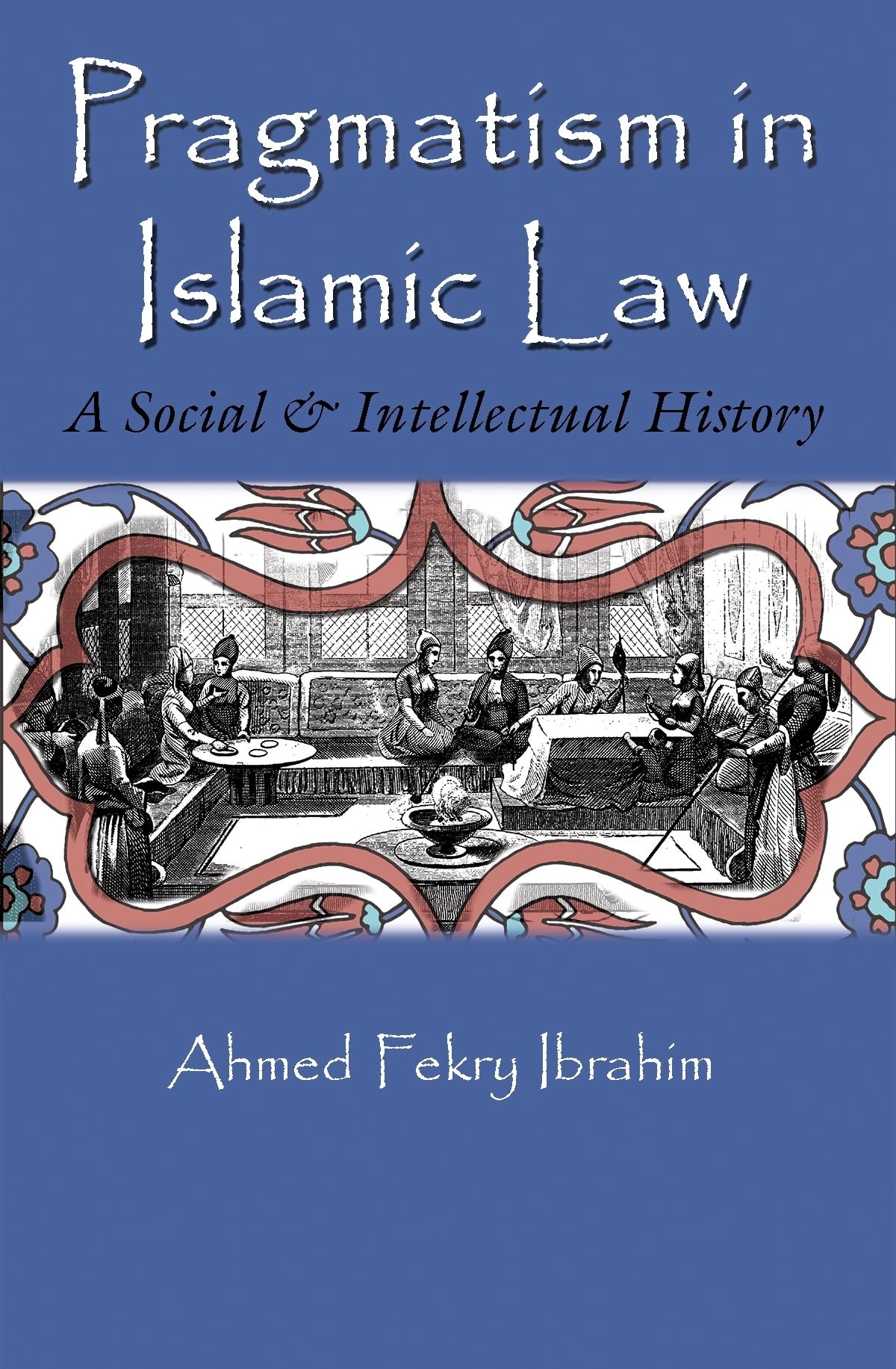
Pragmatism In Islamic Law: A Social And Intellectual History (Middle East Studies Beyond Dominant Paradigms),Used
Sold by Ergodebooks, an authorized reseller.
Returns accepted within 30 days | support@ergodebooks.com
Shipping Information
- Free Standard Shipping — United States only
- Processing Time: 3–5 business days
- Estimated Delivery: 6–10 business days after dispatch
- Double-boxed, fully insured & discreetly packaged
- Tracking number sent via email once dispatched
Returns & Refund
Returns accepted within 30 days of delivery.
Damaged or Defective Item
Free return shipping + replacement or full refund
Wrong Item Received
Free return shipping + replacement or full refund
Change of Mind
Return shipping at customer's expense · 25% restocking fee applies
Payment Option

In Pragmatism in Islamic Law, Ibrahim presents a detailed history of Sunni legal pluralism and the ways in which it was employed to accommodate the changing needs of society. Since the formative period of Islamic law, jurists have debated whether it is acceptable for a law to be selected based on its utility, rather than weighing conflicting articulations of the law to determine the most likely expression of the divine will. Virtually unanimous opposition to the utilitarian approach, referred to as pragmatic eclecticism, emerged among early Islamic jurists. However, due to a host of changing institutional and socioeconomic transformations, a trend toward the legitimization of pragmatic eclecticism arose in the thirteenth century. Subsequently, the Mamluk authorities institutionalized this pragmatism when Sultan Baybars appointed four chief judges representing the four Sunni schools in Cairo in 1265 CE. After a brief attempt to reverse Mamluk pluralism by imposing the Hanafi school in the sixteenth century, Egypts new rulers, the Ottomans, embraced this pluralistic pragmatism. In examining over a thousand cases from three seventeenth and eighteenthcentury Egyptian courts, Ibrahim traces the internal logic of pragmatic eclecticism under the Ottomans. An array of archival sources documents the manner in which Egyptian societys subaltern classes navigated Sunni legal pluralism as a tool to avoid more austere legal doctrines. The ensuing portrait challenges the assumption made by many modern historians that the utilitarian approaches adopted by nineteenth and twentiethcentury Muslim reformers constituted a clear rupture with early Islamic legal history. In contrast, many of the legal strategies exercised in Egypts partial codification of family law in the twentieth century were rooted in premodern Islamic jurisprudence.
⚠️ WARNING (California Proposition 65):
This product may contain chemicals known to the State of California to cause cancer, birth defects, or other reproductive harm.
For more information, please visit www.P65Warnings.ca.gov.