
Title
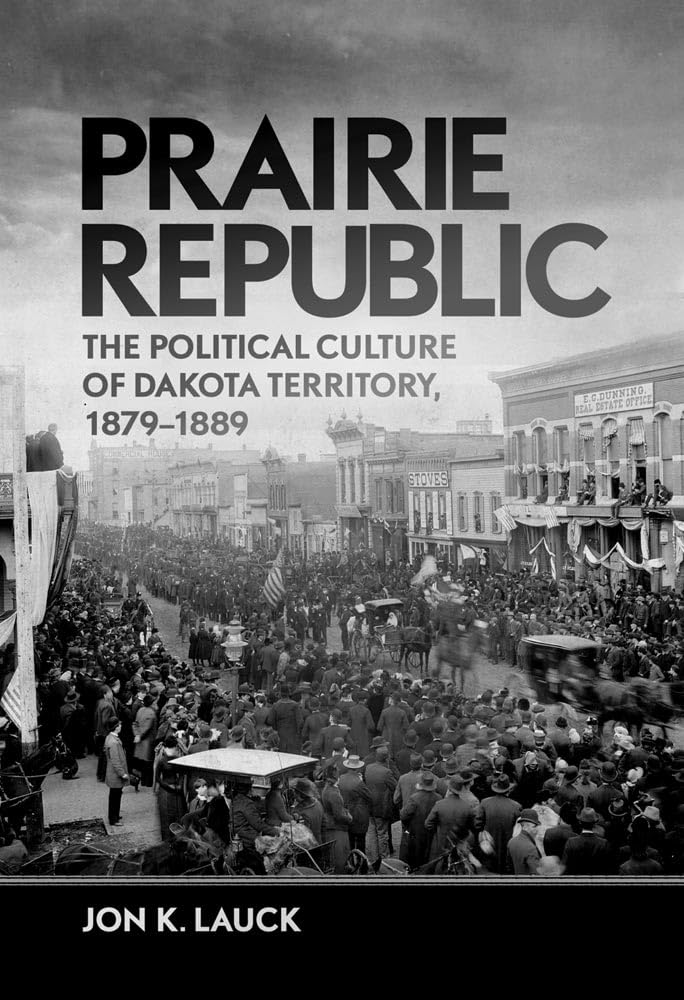
Prairie Republic: The Political Culture Of Dakota Territory, 18791889,Used
Sold by Ergodebooks, an authorized reseller.
Returns accepted within 30 days | support@ergodebooks.com
Shipping Information
- Free Standard Shipping — United States only
- Processing Time: 3–5 business days
- Estimated Delivery: 6–10 business days after dispatch
- Double-boxed, fully insured & discreetly packaged
- Tracking number sent via email once dispatched
Returns & Refund
Returns accepted within 30 days of delivery.
Damaged or Defective Item
Free return shipping + replacement or full refund
Wrong Item Received
Free return shipping + replacement or full refund
Change of Mind
Return shipping at customer's expense · 25% restocking fee applies
Payment Option

American democratic ideals, civic republicanism, public morality, and Christianity were the dominant forces at work during South Dakotas formative decade.What?In our cynical age, such a claim seems either remarkably nave or hopelessly outdated. Territorial politics in the latenineteenthcentury West is typically viewed as a closeddoor game of unprincipled opportunism or is caricatured, as in the classic film The Man Who Shot Liberty Valance, as a drunken exercise in bombast and rascality.Now Jon K. Lauck examines anew the values we like to think were at work during the founding of our western states. Taking Dakota Territory as a laboratory for examining a formative stage of western politics, Lauck finds that settlers from New England and the Midwest brought democratic practices and republican values to the northern plains and invoked them as guiding principles in the drive for South Dakota statehood.Prairie Republic corrects an overemphasis on class conflict and economic determinism, factors posited decades ago by such historians as Howard R. Lamar. Instead, Lauck finds South Dakotas political founders to be agents of Protestant Christianity and of civic republicanisman ageold ideology that entrusted the polity to independent, landowning citizens who placed the common interest above private interest. Focusing on the political culture widely shared among settlers attracted to the Great Dakota Boom of the 1880s, Lauck shows how they embraced civic virtue, broad political participation, and agrarian ideals. Family was central in their lives, as were commonschool education, work, and Christian community.In rescuing the story of Dakotas settlers from historical obscurity, Prairie Republic dissents from the recent darker portrayal of western history and expands our view and understanding of the American democratic tradition.
⚠️ WARNING (California Proposition 65):
This product may contain chemicals known to the State of California to cause cancer, birth defects, or other reproductive harm.
For more information, please visit www.P65Warnings.ca.gov.