
Title
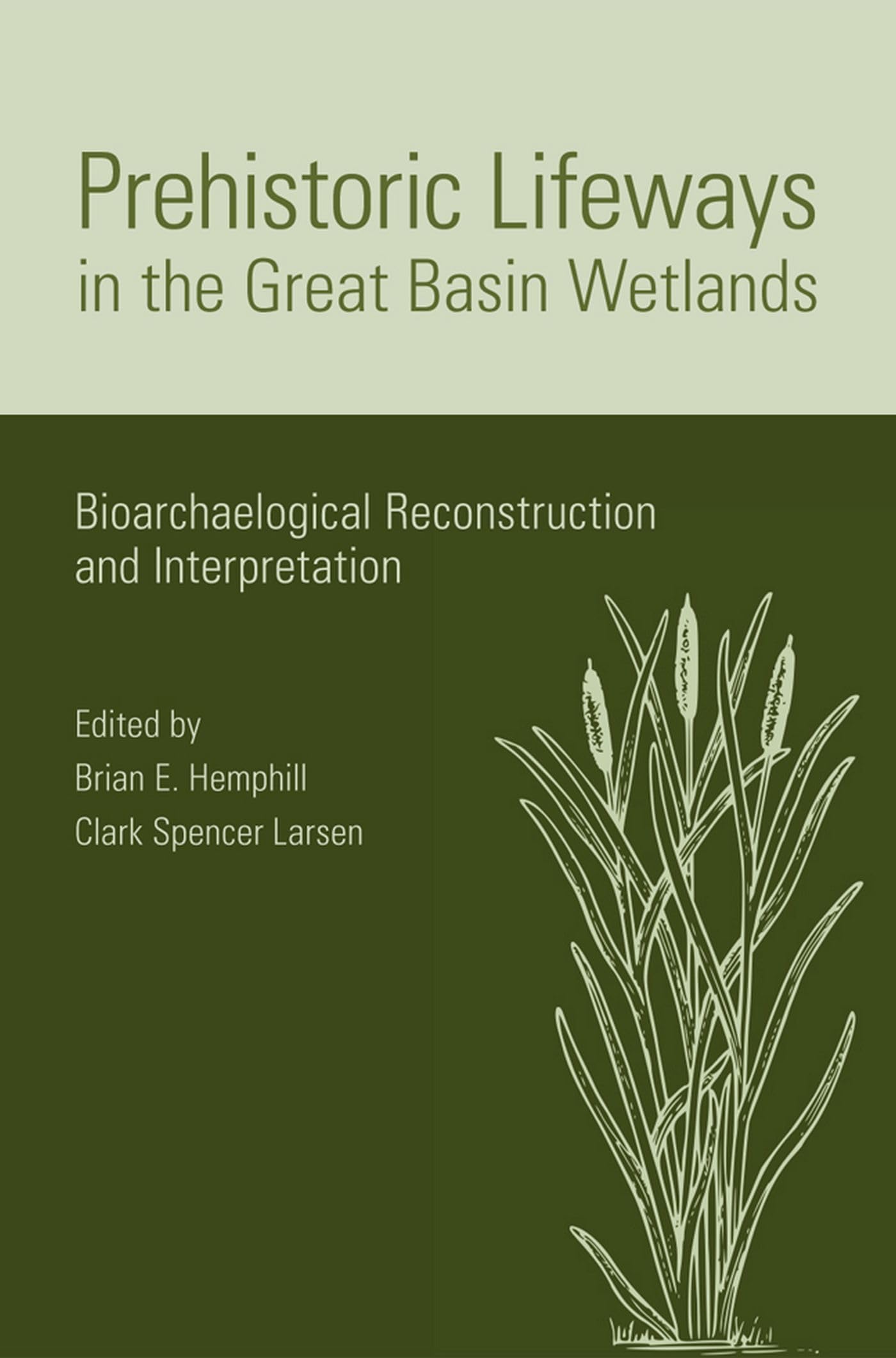
Prehistoric Lifeways In The Great Basin Wetlands: Bioarchaelogical Reconstruction And Interpretation,Used
Sold by Ergodebooks, an authorized reseller.
Returns accepted within 30 days | support@ergodebooks.com
Shipping Information
- Free Standard Shipping — United States only
- Processing Time: 3–5 business days
- Estimated Delivery: 6–10 business days after dispatch
- Double-boxed, fully insured & discreetly packaged
- Tracking number sent via email once dispatched
Returns & Refund
Returns accepted within 30 days of delivery.
Damaged or Defective Item
Free return shipping + replacement or full refund
Wrong Item Received
Free return shipping + replacement or full refund
Change of Mind
Return shipping at customer's expense · 25% restocking fee applies
Payment Option

Prehistoric Lifeways of the Great Basin Wetlands examines how the earliest inhabitants of the Great basin in Nevada, Utah, and Oregon made use of ancient marshes and lakes.When the Great Salt Lake receded in the 1980s from its highest historically recorded levels, it exposed a large number of archaeological and burial sites. Other wetland areas in the region experienced similar flooding and site exposure. The resulting archaeological bonanza resolved longstanding controversy over the role of wetlands in prehistoric Great Basin human subsistence. Previously, archaeologists argued two disparate views: either wetlands offered a wealth of resources and served as a magnet for human occupation and rather sedentary lifestyles, or wetlands provided only meager fare that was insufficient to promote increased sedentism. The exposure of human remains coincided with improved analytic techniques, enabling new conclusions about diet, behavior, and genetic affiliation.This volume presents findings from three Great Basin wetland areas: Great Salt Lake, Stillwater Marsh (Nevada) and Malheur Lake (Oregon). The evidence presented here does not indicate the superiority of one interpretation over another but offers a more complex picture of variable adaptation, high mobility, and generally robust health among peoples living in a harsh setting with heavy physical demands. It is the first volume to draw together new approaches to the study of earlier human societies, including analysis of mtDNA for population reconstruction and crosssectional geometric assessment of long bones for behavior interpretation.
⚠️ WARNING (California Proposition 65):
This product may contain chemicals known to the State of California to cause cancer, birth defects, or other reproductive harm.
For more information, please visit www.P65Warnings.ca.gov.