If you have any questions, you are always welcome to contact us. We'll get back to you as soon as possible, withing 24 hours on weekdays.
Customer service
All questions about your order, return and delivery must be sent to our customer service team by e-mail at yourstore@yourdomain.com
Sale & Press
If you are interested in selling our products, need more information about our brand or wish to make a collaboration, please contact us at press@yourdomain.com
Help
If you have any questions, you are always welcome to contact us. We'll get back to you as soon as possible, withing 24 hours on weekdays.
Customer service
All questions about your order, return and delivery must be sent to our customer service team by e-mail at yourstore@yourdomain.com
Sale & Press
If you are interested in selling our products, need more information about our brand or wish to make a collaboration, please contact us at press@yourdomain.com
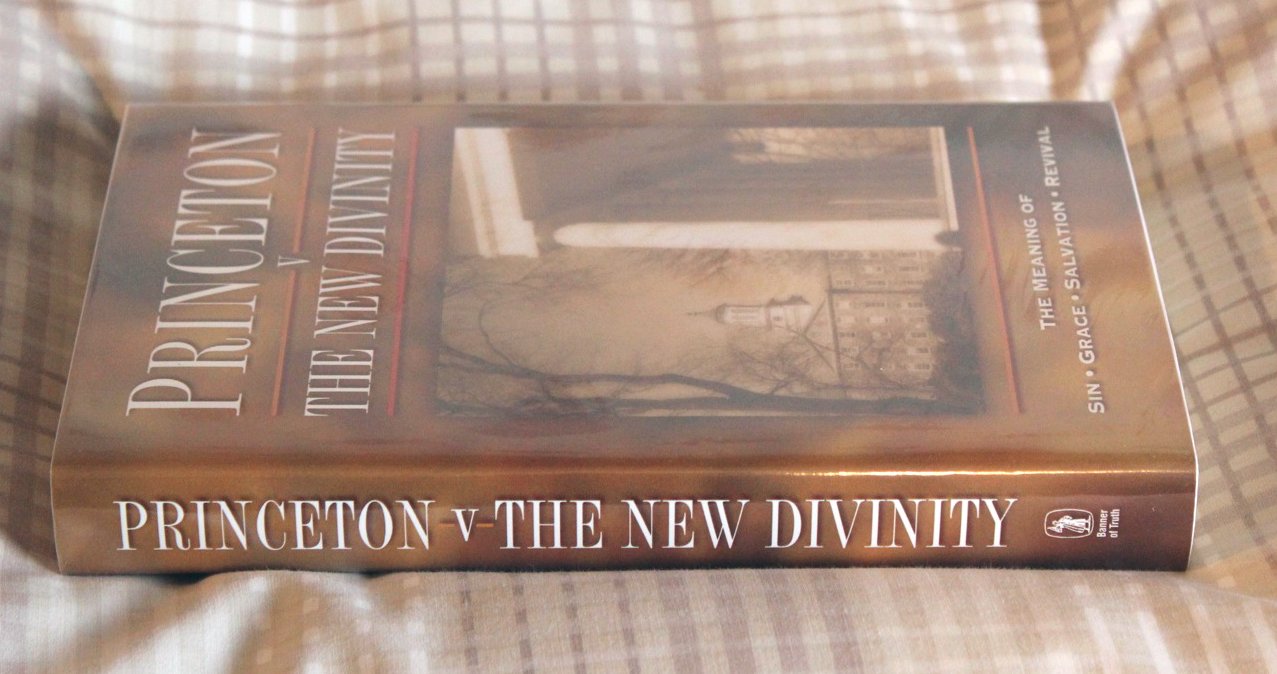
'We value every morsel about the Princeton worthies; may their influence long endureThe modern school think us fools, but certainly we were taught by wise men; and the proverb does not assert that walking with wise men produces folly. Finer minds than those of the Princeton tutors have seldom dwelt among the sons of menOh, for more Princeton theology, for it is the teaching of the Word of God.' C.H. SPURGEONThe new methods in evangelism aggressively promoted by Charles Grandison Finney and others in the United States in the 1830s and 40s were the logical outworking of the New Divinity, a theological system which embodied altered views of the fallen condition of man, of the kind of change brought about in regeneration, and of the possibility of attaining entire sanctification in the present life.The main opponents of the New Divinity were the professors and teachers of Princeton Theological Seminary and College, including Archibald Alexander and Charles Hodge. During the 1830s and early 1840s they wrote extensively on the subject in the Biblical Repertory and Theological Review (later known as the Princeton Review). Some of the most significant of their articles are reprinted here.The Princeton men were deeply convinced that the new views meant a return to old errors long rejected. If the church accepted them she would reap a bitter harvest. Time has vindicated their stance. A fresh look at what they wrote will assist in the recovery of a more biblicallybased approach to preaching and evangelism today.
⚠️ WARNING (California Proposition 65):
This product may contain chemicals known to the State of California to cause cancer,
birth defects, or other reproductive harm.
For MAP (Minimum Advertised Price) violations and Intellectual Property (IP) or Trademark concerns, please contact:
support@ergodebooks.com
⚠️ California Proposition 65 Warning: Some products sold on this website may expose you to chemicals known to the State of California to cause cancer, birth defects, or other reproductive harm. For more information, visit www.P65Warnings.ca.gov.