
Title
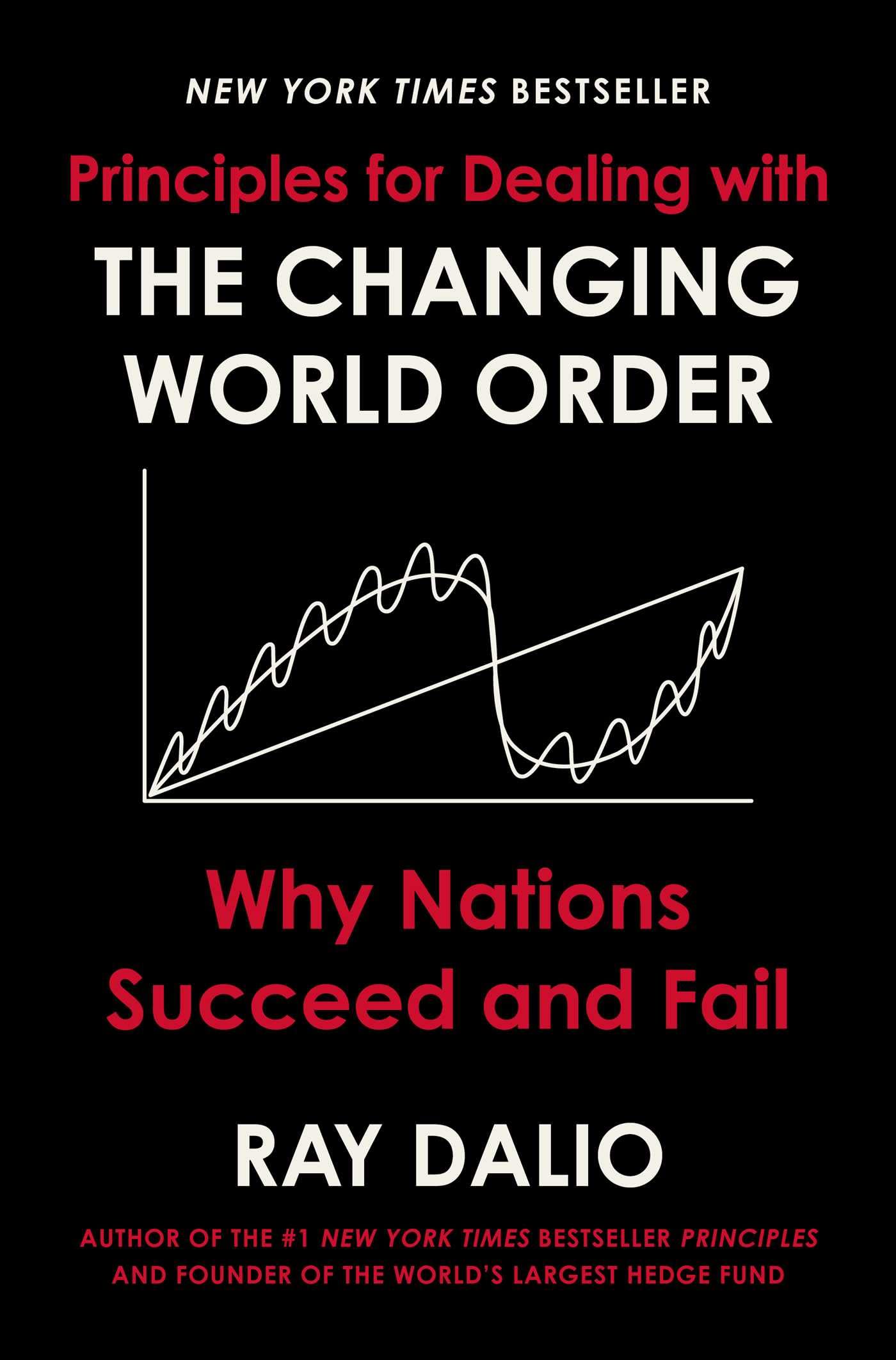
Principles For Dealing With The Changing World Order: Why Nations Succeed And Fail
Sold by Ergodebooks, an authorized reseller.
Returns accepted within 30 days | support@ergodebooks.com
Shipping Information
- Free Standard Shipping — United States only
- Processing Time: 3–5 business days
- Estimated Delivery: 6–10 business days after dispatch
- Double-boxed, fully insured & discreetly packaged
- Tracking number sent via email once dispatched
Returns & Refund
Returns accepted within 30 days of delivery.
Damaged or Defective Item
Free return shipping + replacement or full refund
Wrong Item Received
Free return shipping + replacement or full refund
Change of Mind
Return shipping at customer's expense · 25% restocking fee applies
Payment Option

New York Times Bestseller * More Than One Million Copies Solda Provocative Read...There Are Few Tomes That Coherently Map Such Broad Economic Histories As Well As Mr. Dalios. Perhaps More Unusually, Mr. Dalio Has Managed To Identify Metrics From That History That Can Be Applied To Understand Today. Andrew Ross Sorkin, The New York Timesfrom Legendary Investor Ray Dalio, Author Of The #1 New York Times Bestseller Principles, Who Has Spent Half A Century Studying Global Economies And Markets, Principles For Dealing With The Changing World Order Examines Historys Most Turbulent Economic And Political Periods To Reveal Why The Times Ahead Will Likely Be Radically Different From Those Weve Experienced In Our Lifetimesand To Offer Practical Advice On How To Navigate Them Well.A Few Years Ago, Ray Dalio Noticed A Confluence Of Political And Economic Conditions He Hadnt Encountered Before. They Included Huge Debts And Zero Or Nearzero Interest Rates That Led To Massive Printing Of Money In The Worlds Three Major Reserve Currencies; Big Political And Social Conflicts Within Countries, Especially The Us, Due To The Largest Wealth, Political, And Values Disparities In More Than 100 Years; And The Rising Of A World Power (China) To Challenge The Existing World Power (Us) And The Existing World Order. The Last Time That This Confluence Occurred Was Between 1930 And 1945. This Realization Sent Dalio On A Search For The Repeating Patterns And Cause/Effect Relationships Underlying All Major Changes In Wealth And Power Over The Last 500 Years.In This Remarkable And Timely Addition To His Principles Series, Dalio Brings Readers Along For His Study Of The Major Empiresincluding The Dutch, The British, And The Americanputting Into Perspective The Big Cycle That Has Driven The Successes And Failures Of All The Worlds Major Countries Throughout History. He Reveals The Timeless And Universal Forces Behind These Shifts And Uses Them To Look Into The Future, Offering Practical Principles For Positioning Oneself For Whats Ahead.
⚠️ WARNING (California Proposition 65):
This product may contain chemicals known to the State of California to cause cancer, birth defects, or other reproductive harm.
For more information, please visit www.P65Warnings.ca.gov.
- Q: How many pages are in the book? A: The book contains five hundred seventy-six pages. This length provides an in-depth exploration of economic history.
- Q: What is the binding type of the book? A: The book is hardcover. This durable binding ensures longevity and a premium reading experience.
- Q: What are the dimensions of the book? A: The book measures six inches in length, one point nine inches in width, and nine point zero two inches in height. These dimensions make it easy to handle.
- Q: What age group is this book suitable for? A: This book is suitable for adult readers. It discusses complex themes related to economic history and global politics.
- Q: Is this book good for beginners in economic studies? A: Yes, the book is accessible for beginners. Ray Dalio explains intricate concepts in a clear and engaging manner.
- Q: How do I approach reading this book effectively? A: To read effectively, consider taking notes on key concepts. Engaging with the material will enhance your understanding of economic cycles.
- Q: How do I store this book to keep it in good condition? A: Store the book upright on a shelf to prevent warping. Avoid exposure to direct sunlight to maintain its cover and pages.
- Q: Can I clean the book if it gets dirty? A: Yes, gently wipe the cover with a soft, dry cloth. Avoid using water or cleaning solutions that could damage the binding.
- Q: What should I do if the book arrives damaged? A: If the book arrives damaged, contact the retailer for a return or exchange. Most retailers have a customer service policy for such issues.
- Q: Is this book a good gift for someone interested in history? A: Yes, it's an excellent gift for history enthusiasts. The book discusses significant historical economic events and their implications.
- Q: How does this book compare to other economic history books? A: This book is unique in its practical approach to economic cycles. Unlike many historical texts, it offers actionable insights for the future.
- Q: Does this book include any visual aids or graphs? A: No, the book does not include visual aids or graphs. It focuses on narrative and analysis rather than illustrations.
- Q: What themes are explored in this book? A: The book explores themes of economic cycles, power dynamics, and historical precedents. It connects past events to current global issues.
- Q: Is there a specific reading order for the Principles series? A: While this book can be read independently, starting with the first book, Principles, may provide additional context to Dalio's ideas.
- Q: Are there any related books you would recommend? A: Yes, consider reading 'Sapiens' by Yuval Noah Harari for a broader historical perspective. It complements the themes discussed in Dalio's book.