
Title
Principles Of Environmental Science
Sold by Ergodebooks, an authorized reseller.
Returns accepted within 30 days | support@ergodebooks.com
Shipping Information
- Free Standard Shipping — United States only
- Processing Time: 3–5 business days
- Estimated Delivery: 6–10 business days after dispatch
- Double-boxed, fully insured & discreetly packaged
- Tracking number sent via email once dispatched
Returns & Refund
Returns accepted within 30 days of delivery.
Damaged or Defective Item
Free return shipping + replacement or full refund
Wrong Item Received
Free return shipping + replacement or full refund
Change of Mind
Return shipping at customer's expense · 25% restocking fee applies
Payment Option

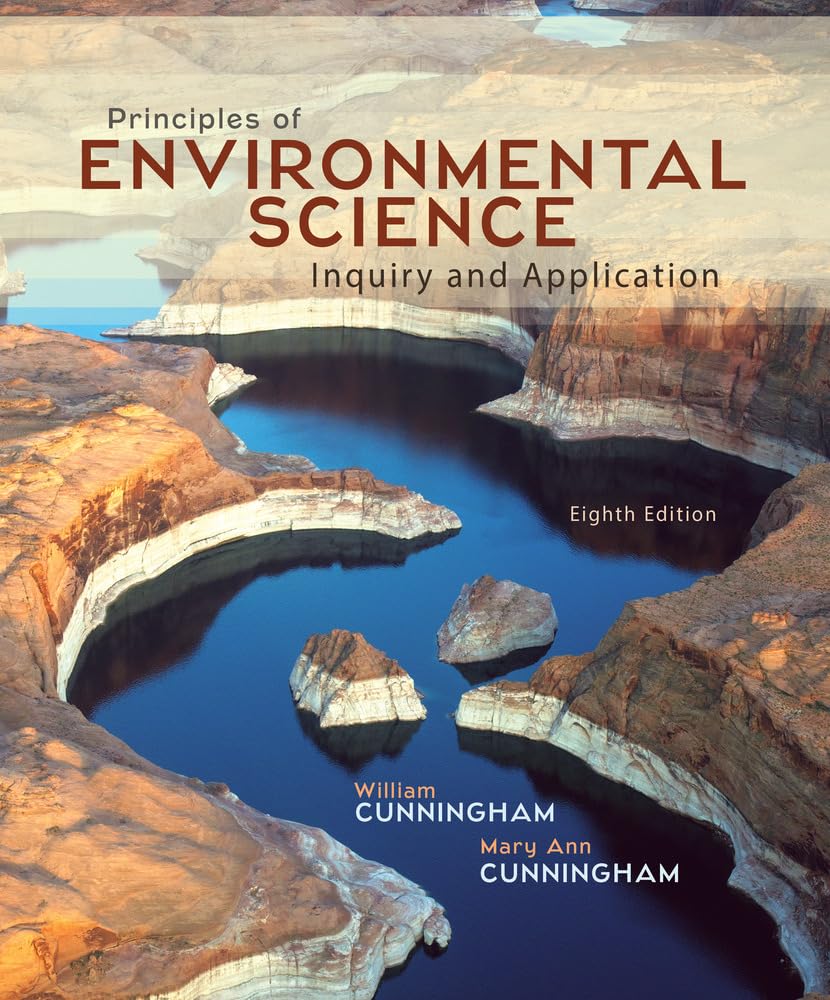
Rather Than The 25 To 30 Chapters Found In Most Environmental Science Textbooks, The Authors Have Limited Principles Of Environmental Science: Inquiry And Applications To 16 Chaptersperfect For The Onesemester, Nonmajors Environmental Science Course. True To Its Title, The Goal Of This Concise Text Is To Provide An Uptodate, Introductory View Of Essential Themes In Environmental Science Along With Offering Students Numerous Opportunities To Practice Scientific Thinking And Active Learning.
⚠️ WARNING (California Proposition 65):
This product may contain chemicals known to the State of California to cause cancer, birth defects, or other reproductive harm.
For more information, please visit www.P65Warnings.ca.gov.
- Q: What is the page count of 'Principles of Environmental Science'? A: This book has four hundred sixty-four pages. It offers a concise overview of essential themes in environmental science.
- Q: What are the dimensions of this book? A: The book measures nine point twenty-one inches in length, zero point seventy-one inches in width, and ten point eighty inches in height.
- Q: What type of binding does this book have? A: This book is available in paperback binding. This makes it lightweight and easy to carry.
- Q: How should I use this textbook? A: You can use this textbook for a one-semester, non-majors environmental science course. It is designed to enhance scientific thinking and active learning.
- Q: Is this book suitable for beginners? A: Yes, this book is suitable for beginners. It is tailored for students with no prior knowledge of environmental science.
- Q: What age group is this textbook appropriate for? A: This textbook is appropriate for high school students and college freshmen. It serves as an introductory resource for environmental science.
- Q: How do I keep this book in good condition? A: To keep this book in good condition, store it in a dry place and avoid exposing it to direct sunlight. Handling it gently can also help preserve its quality.
- Q: Are there any safety concerns with this book? A: No, there are no safety concerns associated with this book. It is intended for educational purposes.
- Q: Can I clean this book if it gets dirty? A: Yes, you can lightly wipe the cover with a damp cloth. Avoid using cleaning solutions that could damage the pages.
- Q: How does this textbook compare to others in the subject? A: This textbook is more concise than many others, with only sixteen chapters. It focuses on essential themes, making it ideal for a one-semester course.
- Q: Is this book suitable for advanced students? A: No, this book is not specifically designed for advanced students. It is focused on introductory concepts for non-majors.
- Q: What makes this textbook unique? A: This textbook's unique feature is its limited chapter count, providing a focused approach to environmental science themes.
- Q: What if I receive a damaged book? A: If you receive a damaged book, contact customer service for a return or exchange. Ensure to keep your receipt for reference.
- Q: Does this book come with any additional resources? A: No, this book does not come with additional resources. It is a standalone textbook designed for classroom use.
- Q: What is the author’s background? A: The author, William Cunningham, is known for his expertise in environmental science. His work emphasizes scientific inquiry and practical applications.