If you have any questions, you are always welcome to contact us. We'll get back to you as soon as possible, withing 24 hours on weekdays.
Customer service
All questions about your order, return and delivery must be sent to our customer service team by e-mail at yourstore@yourdomain.com
Sale & Press
If you are interested in selling our products, need more information about our brand or wish to make a collaboration, please contact us at press@yourdomain.com
Help
If you have any questions, you are always welcome to contact us. We'll get back to you as soon as possible, withing 24 hours on weekdays.
Customer service
All questions about your order, return and delivery must be sent to our customer service team by e-mail at yourstore@yourdomain.com
Sale & Press
If you are interested in selling our products, need more information about our brand or wish to make a collaboration, please contact us at press@yourdomain.com
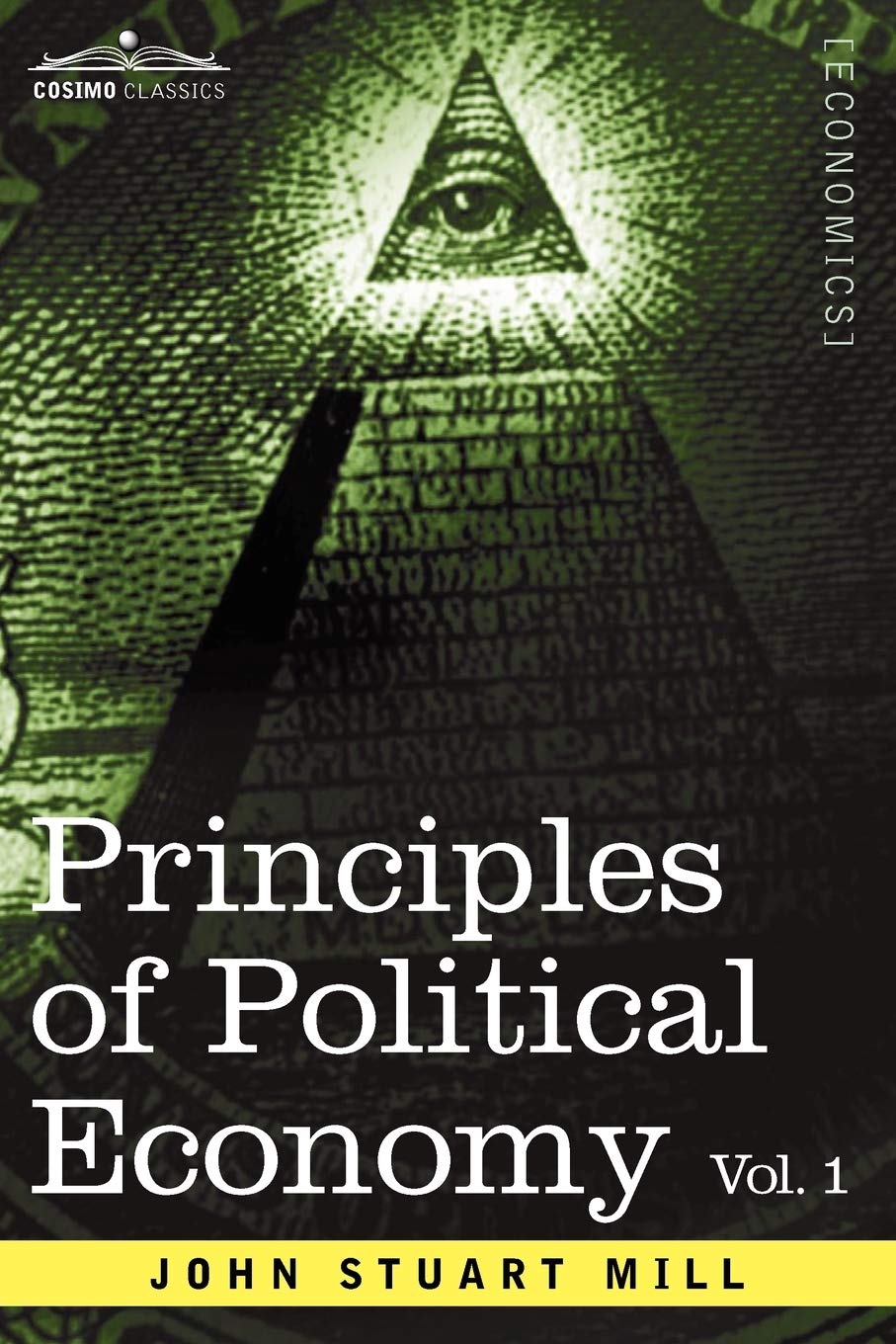
Can national growth be sustained indefinitely? How much should government intervene in a competitive market economy? The questions John Stuart Mill raised a century and a half ago, in 1848's Principles of Political Economy, and the answers he found, are just as criticaland just as contentiously debatedtoday. Through a lens of what the philosopher himself termed "philosophical radicalism"and what some today call "democratic liberalism"Mill takes a fresh look at Adam Smith's Wealth of Nations and other influential works of political thought of his time, and recasts them from a more scientific viewpoint, suggesting that such realities as the unequal distribution of wealth were not "natural" but rather a matter of human choice... choices we continue to have to make in our ever more complicated economy. Also available from Cosimo Classics: Selected Writings of John Stuart Mill and On Liberty. English philosopher and politician JOHN STUART MILL (18061873) was one of the foremost figure of Western intellectual thought in the late 19th century. He served as an administrator in the East Indian Company from 1823 to 1858, and as a member of parliament from 1865 to 1868. Among his essays on a wide range of political and social thought are On Liberty (1859), Considerations on Representative Government (1861), and The Subjection of Women (1869).
⚠️ WARNING (California Proposition 65):
This product may contain chemicals known to the State of California to cause cancer,
birth defects, or other reproductive harm.
For MAP (Minimum Advertised Price) violations and Intellectual Property (IP) or Trademark concerns, please contact:
support@ergodebooks.com
⚠️ California Proposition 65 Warning: Some products sold on this website may expose you to chemicals known to the State of California to cause cancer, birth defects, or other reproductive harm. For more information, visit www.P65Warnings.ca.gov.