
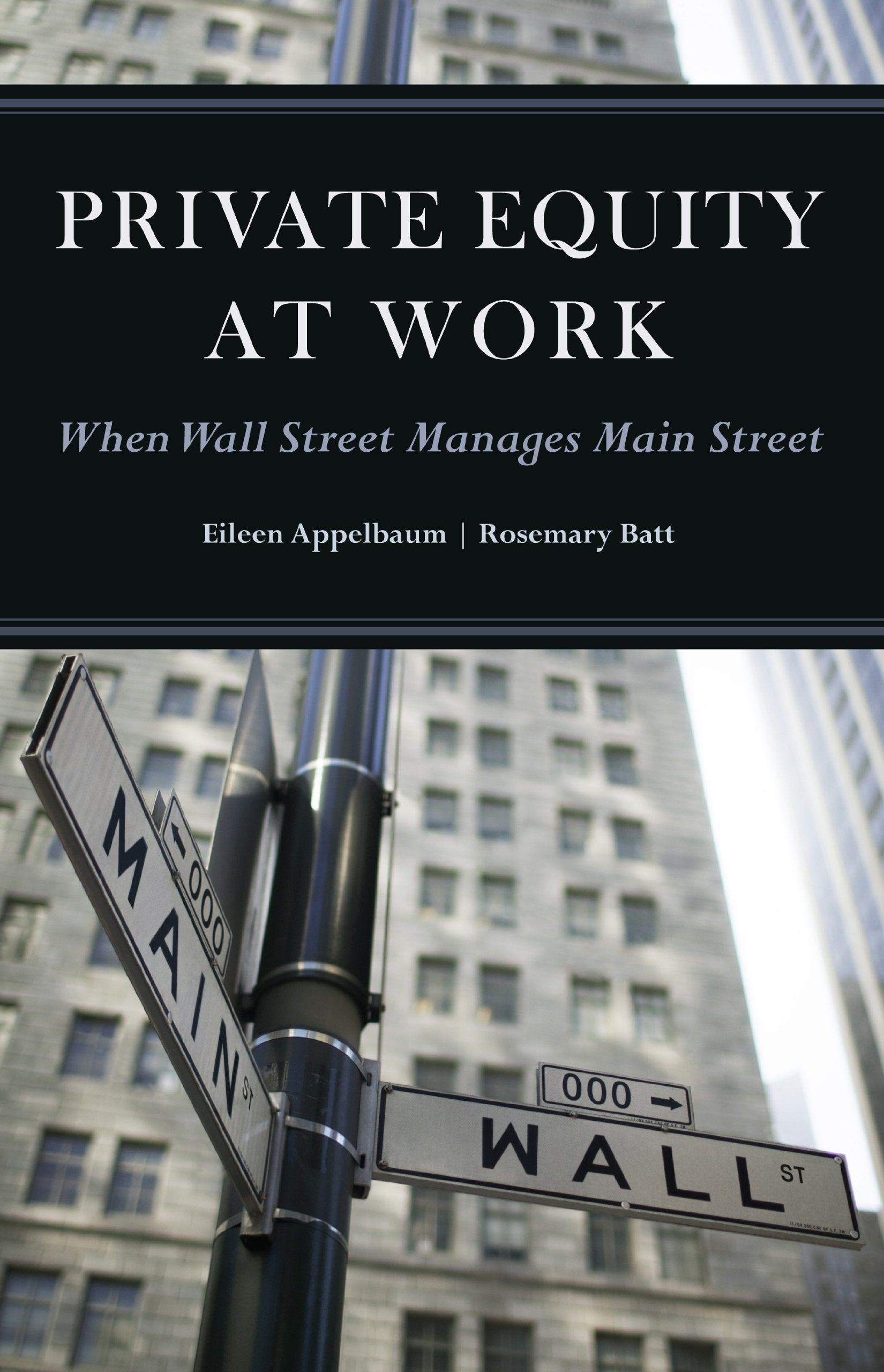
Title
Private Equity At Work: When Wall Street Manages Main Street
Sold by Ergodebooks, an authorized reseller.
Returns accepted within 30 days | support@ergodebooks.com
Shipping Information
- Free Standard Shipping — United States only
- Processing Time: 3–5 business days
- Estimated Delivery: 6–10 business days after dispatch
- Double-boxed, fully insured & discreetly packaged
- Tracking number sent via email once dispatched
Returns & Refund
Returns accepted within 30 days of delivery.
Damaged or Defective Item
Free return shipping + replacement or full refund
Wrong Item Received
Free return shipping + replacement or full refund
Change of Mind
Return shipping at customer's expense · 25% restocking fee applies
Payment Option

Private Equity Firms Have Long Been At The Center Of Public Debates On The Impact Of The Financial Sector On Main Street Companies. Are These Firms Financial Innovators That Save Failing Businesses Or Financial Predators That Bankrupt Otherwise Healthy Companies And Destroy Jobs? The First Comprehensive Examination Of This Topic, Private Equity At Work Provides A Detailed Yet Accessible Guide To This Controversial Business Model. Economist Eileen Appelbaum And Professor Rosemary Batt Carefully Evaluate The Evidenceincluding Original Case Studies And Interviews, Legal Documents, Bankruptcy Proceedings, Media Coverage, And Existing Academic Scholarshipto Demonstrate The Effects Of Private Equity On American Businesses And Workers. They Document That While Private Equity Firms Have Had Positive Effects On The Operations And Growth Of Small And Midsized Companies And In Turning Around Failing Companies, The Interventions Of Private Equity More Often Than Not Lead To Significant Negative Consequences For Many Businesses And Workers. Prior Research On Private Equity Has Focused Almost Exclusively On The Financial Performance Of Private Equity Funds And The Returns To Their Investors. Private Equity At Work Provides A New Roadmap To The Largely Hidden Internal Operations Of These Firms, Showing How Their Business Strategies Disproportionately Benefit The Partners In Private Equity Firms At The Expense Of Other Stakeholders And Taxpayers. In The 1980S, Leveraged Buyouts By Private Equity Firms Saw High Returns And Were Widely Considered The Solution To Corporate Wastefulness And Mismanagement. And Since 2000, Nearly 11,500 Companiesrepresenting Almost 8 Million Employeeshave Been Purchased By Private Equity Firms. As Their Role In The Economy Has Increased, They Have Come Under Fire From Labor Unions And Community Advocates Who Argue That The Proliferation Of Leveraged Buyouts Destroys Jobs, Causes Wages To Stagnate, Saddles Otherwise Healthy Companies With Debt, And Leads To Subsidies From Taxpayers. Appelbaum And Batt Show That Private Equity Firms Financial Strategies Are Designed To Extract Maximum Value From The Companies They Buy And Sell, Often To The Detriment Of Those Companies And Their Employees And Suppliers. Their Risky Decisions Include Buying Companies And Extracting Dividends By Loading Them With High Levels Of Debt And Selling Assets. These Actions Often Lead To Financial Distress And A Disproportionate Focus On Costcutting, Outsourcing, And Wage And Benefit Losses For Workers, Especially If They Are Unionized. Because The Law Views Private Equity Firms As Investors Rather Than Employers, Private Equity Owners Are Not Held Accountable For Their Actions In Ways That Public Corporations Are. And Their Actions Are Not Transparent Because Private Equity Owned Companies Are Not Regulated By The Securities And Exchange Commission. Thus, Any Debts Or Costs Of Bankruptcy Incurred Fall On Businesses Owned By Private Equity And Their Workers, Not The Private Equity Firms That Govern Them. For Employees This Often Means Loss Of Jobs, Health And Pension Benefits, And Retirement Income. Appelbaum And Batt Conclude With A Set Of Policy Recommendations Intended To Curb The Negative Effects Of Private Equity While Preserving Its Constructive Role In The Economy. These Include Policies To Improve Transparency And Accountability, As Well As Changes That Would Reduce The Excessive Use Of Financial Engineering Strategies By Firms. A Groundbreaking Analysis Of A Hotly Contested Business Model, Private Equity At Work Provides An Unprecedented Analysis Of The Littleunderstood Inner Workings Of Private Equity And Of The Effects Of Leveraged Buyouts On American Companies And Workers. This Important New Work Will Be A Valuable Resource For Scholars, Policymakers, And The Informed Public Alike.
⚠️ WARNING (California Proposition 65):
This product may contain chemicals known to the State of California to cause cancer, birth defects, or other reproductive harm.
For more information, please visit www.P65Warnings.ca.gov.
- Q: How many pages does this book have? A: This book contains three hundred ninety-six pages. It provides a comprehensive examination of private equity's impact on American businesses and workers.
- Q: What is the binding type of this book? A: The binding type is paperback. This makes it lightweight and easy to handle.
- Q: What are the dimensions of the book? A: The book measures five point nine eight inches in length, one point three inches in width, and nine point zero two inches in height.
- Q: How do I use this book for research? A: You can use this book as a resource for understanding private equity's effects. It includes case studies and policy recommendations.
- Q: Is this book suitable for beginners in economics? A: Yes, the book is accessible for beginners. It provides clear explanations of complex topics related to private equity.
- Q: Can I read this book for a college assignment? A: Yes, this book is appropriate for college assignments. It offers in-depth analysis and references suitable for academic work.
- Q: How should I store this book to keep it in good condition? A: Store this book in a cool, dry place away from direct sunlight. Avoid stacking heavy items on top to prevent damage.
- Q: Is there any specific care needed for the paperback binding? A: No specific care is required for the paperback binding. Just handle it gently and keep it away from moisture.
- Q: What should I do if the book arrives damaged? A: If the book arrives damaged, you should contact the seller for a return or exchange. Most sellers have policies for damaged items.
- Q: Is there a warranty for this book? A: No, there is typically no warranty for books. However, check the seller's return policy for any guarantees.
- Q: How does this book compare to other economics books? A: This book specifically focuses on private equity, making it unique compared to general economics books. It provides detailed case studies.
- Q: Is this book appropriate for high school students? A: Yes, high school students can read this book. It's written in an accessible style, making complex topics understandable.
- Q: What type of audience would benefit from this book? A: Scholars, policymakers, and the informed public would benefit from this book. It offers valuable insights into private equity's effects.
- Q: Are there any sensitive topics covered in this book? A: Yes, the book discusses financial distress and job losses due to private equity practices. It addresses controversial business models.
- Q: What if I have questions while reading this book? A: You can look for supplementary materials or academic papers related to the book. Online forums may also have discussions on its topics.
- Q: Where can I find more resources on private equity? A: You can find more resources in academic journals and financial news articles. Libraries often have additional texts on related subjects.