
Title
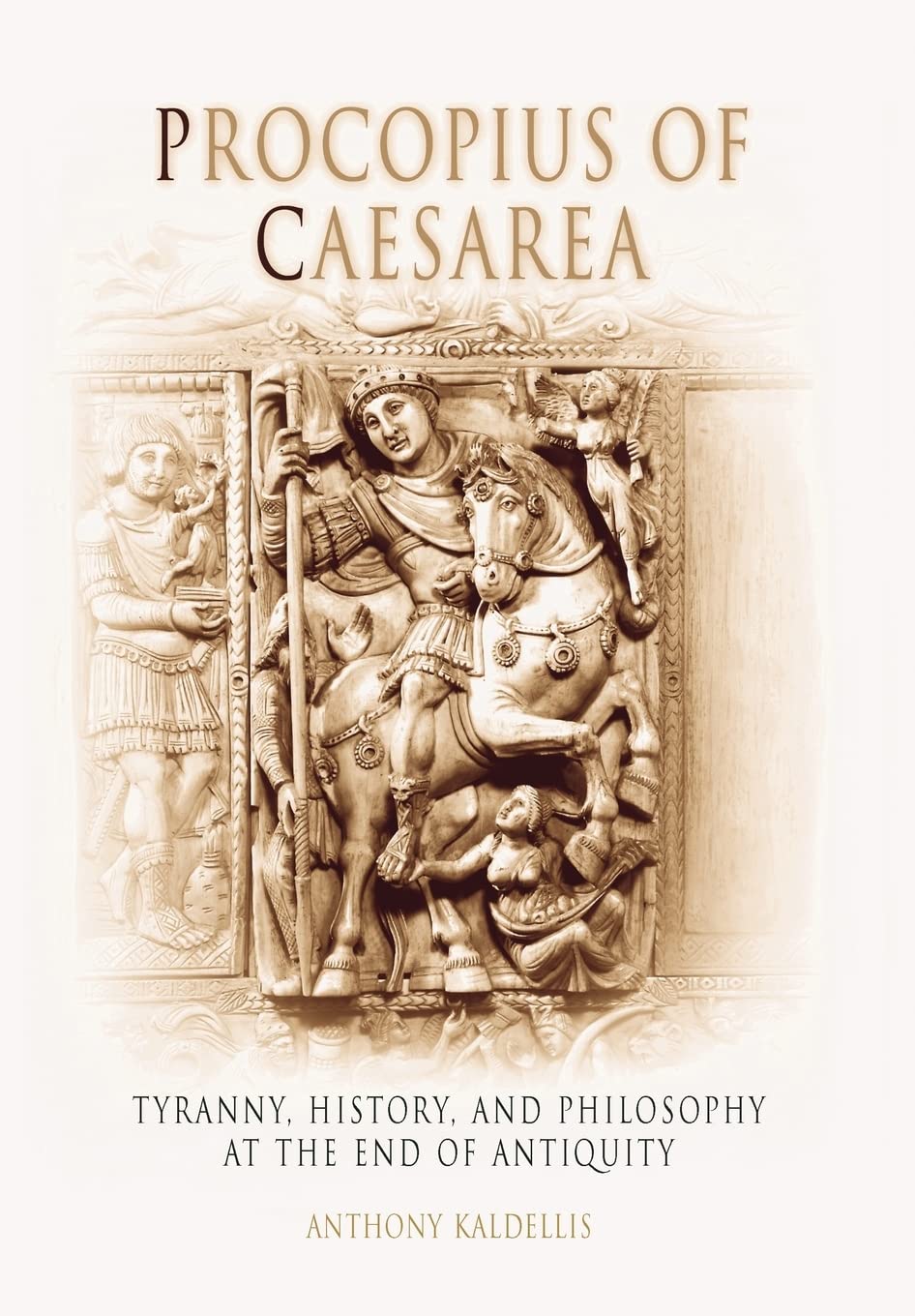
Procopius Of Caesarea: Tyranny, History, And Philosophy At The End Of Antiquity,Used
Sold by Ergodebooks, an authorized reseller.
Returns accepted within 30 days | support@ergodebooks.com
Shipping Information
- Free Standard Shipping — United States only
- Processing Time: 3–5 business days
- Estimated Delivery: 6–10 business days after dispatch
- Double-boxed, fully insured & discreetly packaged
- Tracking number sent via email once dispatched
Returns & Refund
Returns accepted within 30 days of delivery.
Damaged or Defective Item
Free return shipping + replacement or full refund
Wrong Item Received
Free return shipping + replacement or full refund
Change of Mind
Return shipping at customer's expense · 25% restocking fee applies
Payment Option

Justinian governed the Roman empire for more than thirtyeight years, and the events of his reign were recorded by Procopius of Caesarea, secretary of the general Belisarius. Yet, significantly, Procopius composed a history, a panegyric, as well as a satire of his own times. Anthony Kaldellis here offers a new interpretation of these writings of Procopius, situating him as a major source for the sixth century and one of the great historians of antiquity and Byzantium.Breaking from the scholarly tradition that views classicism as an affected imitation that distorted history, Kaldellis argues that Procopius was a careful student of the classics who displayed remarkable literary skill in adapting his models to the purposes of his own narratives. Classicism was a matter of structure and meaning, not just vocabulary. Through allusions Procopius revealed truths that could not be spoken openly; through anecdotes he exposed the broad themes that governed the history of his age.Elucidating the political thought of Procopius in light of classical historiography and political theory, Kaldellis argues that he owed little to Christianity, finding instead that he rejected the belief in providence and asserted the supremacy of chance. By deliberately alluding to Plato's discussions of tyranny, Procopius developed an artful strategy of intertextuality that enabled him to comment on contemporary individuals and events. Kaldellis also uncovers links between Procopius and the philosophical dissidents of the reign of Justinian. This dimension of his writing implies that his work is worthy of esteem not only for the accuracy of its reporting but also for its cultural polemic, political dissidence, and philosophical sophistication.Procopius of Caesarea has wide implications for the way we should read ancient historians. Its conclusions also suggest that the world of Justinian was far from monolithically Christian. Major writers of that time believed that classical texts were still the best guides for understanding history, even in the rapidly changing world of late antiquity.
⚠️ WARNING (California Proposition 65):
This product may contain chemicals known to the State of California to cause cancer, birth defects, or other reproductive harm.
For more information, please visit www.P65Warnings.ca.gov.