
Title
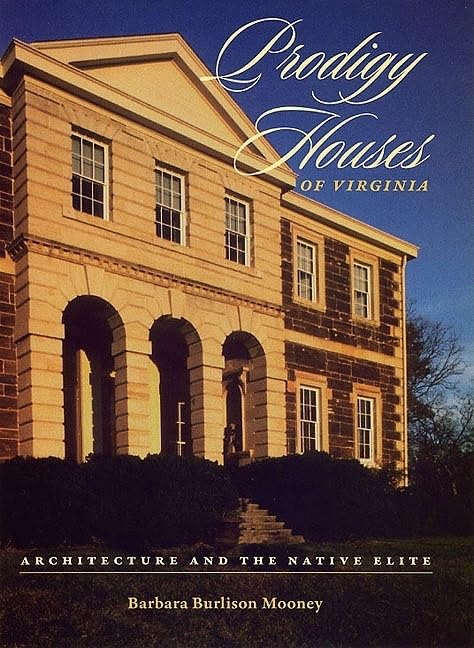
Prodigy Houses Of Virginia: Architecture And The Native Elite,Used
Sold by Ergodebooks, an authorized reseller.
Returns accepted within 30 days | support@ergodebooks.com
Shipping Information
- Free Standard Shipping — United States only
- Processing Time: 3–5 business days
- Estimated Delivery: 6–10 business days after dispatch
- Double-boxed, fully insured & discreetly packaged
- Tracking number sent via email once dispatched
Returns & Refund
Returns accepted within 30 days of delivery.
Damaged or Defective Item
Free return shipping + replacement or full refund
Wrong Item Received
Free return shipping + replacement or full refund
Change of Mind
Return shipping at customer's expense · 25% restocking fee applies
Payment Option

In a list of objectives and inquiries meant to guide and make profitable the European travel of two young Americans in 1788, Thomas Jefferson noted, 'Architecture [is] worth great attention. As we double our numbers ever 20 years we must double our houses.... It is then among the most important arts: and it is desireable to introduce taste into an art which shews so much.' Referring both to the large physical presence of architecture, as well as the ability of a structure to reveal its owners character, Jefferson articulates the telling relationship in eighteenthcentury Virginia between architecture and construction of the self. In Prodigy Houses of Virginia: Architecture and the Native Elite, Barbara Burlison Mooney employs Jeffersons theory to examine twentyfive great eighteenthcentury Virginia mansions, and offer an analytical overview of Virginias elite residential architecture from a patronage perspective.Though it focuses on architectural history, the book concerns itself less with issues of design and construction than with the social and cultural context in which the Virginia gentry commissioned their imposing dwellings. In her examination of such places as Stratford Hall, Carters Grove, and Gunston Hallmansions whose grandeur has become synonymous with the imageif not the realityof life in Colonial VirginiaMooney illuminates the fortunes, motivations, and aspirations of the wealthy and powerful owners who built their 'homes' with the objective of securing their status and impressing the public. In choosing to spend astonishing sums to provide themselves with grand houses that far exceeded their living requirementsin some cases, by a disastrous measurethe owners of these mansions advanced grand claims to social and political prestige.Clearly and accessibly written, Prodigy Houses of Virginia will appeal not only to architectural and social historians of the Colonial period but also to the general reader interested in these mansions and the people who inhabited them.
⚠️ WARNING (California Proposition 65):
This product may contain chemicals known to the State of California to cause cancer, birth defects, or other reproductive harm.
For more information, please visit www.P65Warnings.ca.gov.