If you have any questions, you are always welcome to contact us. We'll get back to you as soon as possible, withing 24 hours on weekdays.
Customer service
All questions about your order, return and delivery must be sent to our customer service team by e-mail at yourstore@yourdomain.com
Sale & Press
If you are interested in selling our products, need more information about our brand or wish to make a collaboration, please contact us at press@yourdomain.com
Help
If you have any questions, you are always welcome to contact us. We'll get back to you as soon as possible, withing 24 hours on weekdays.
Customer service
All questions about your order, return and delivery must be sent to our customer service team by e-mail at yourstore@yourdomain.com
Sale & Press
If you are interested in selling our products, need more information about our brand or wish to make a collaboration, please contact us at press@yourdomain.com
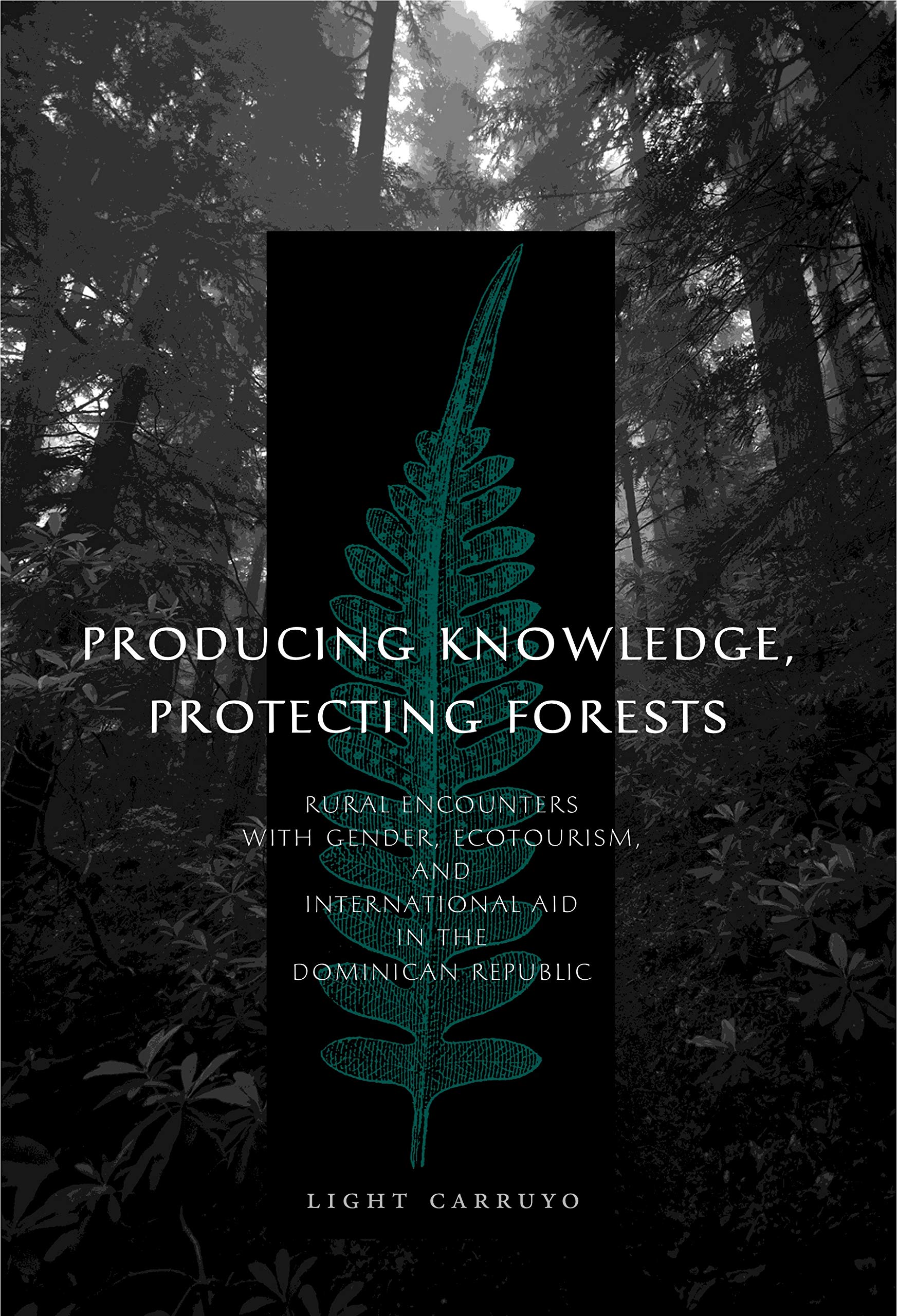
Development studies has not yet found a vocabulary to connect large structural processes to the ways in which people live, love, and labor. Producing Knowledge, Protecting Forests contributes to such a vocabulary through a study of 'local knowledge' that exposes the relationship between culture and political economy. Women's and men's daily practices, and the meaning they give those practices, show the ways in which they are not simply victims of development but active participants creating, challenging, and negotiating the capitalist worldsystem on the ground.Rather than viewing local knowledge as something to be uncovered or recovered in the service of development, Light Carruyo approaches it as a dynamic process configured and reconfigured at the intersections of structural forces and lived practices. In her ethnographic case study of La Cinagaa rural community on the edge of an important ecological preserve and national park in the Dominican RepublicCarruyo argues that Dominican economic development has rested its legitimacy on rescuing peasants from their own subsistence practices so that they may serve the nation as 'productive citizens,' a category that is both racialized and gendered. How have women and men in this community come to know what they know about development and wellbeing? And how, based on this knowledge, do they engage with development projects and work toward wellbeing? Carruyo illustrates how competing interests in agricultural production, tourism, and conservation shape, collide with, and are remade by local practices and logics.
⚠️ WARNING (California Proposition 65):
This product may contain chemicals known to the State of California to cause cancer,
birth defects, or other reproductive harm.
For MAP (Minimum Advertised Price) violations and Intellectual Property (IP) or Trademark concerns, please contact:
support@ergodebooks.com
⚠️ California Proposition 65 Warning: Some products sold on this website may expose you to chemicals known to the State of California to cause cancer, birth defects, or other reproductive harm. For more information, visit www.P65Warnings.ca.gov.