
Title
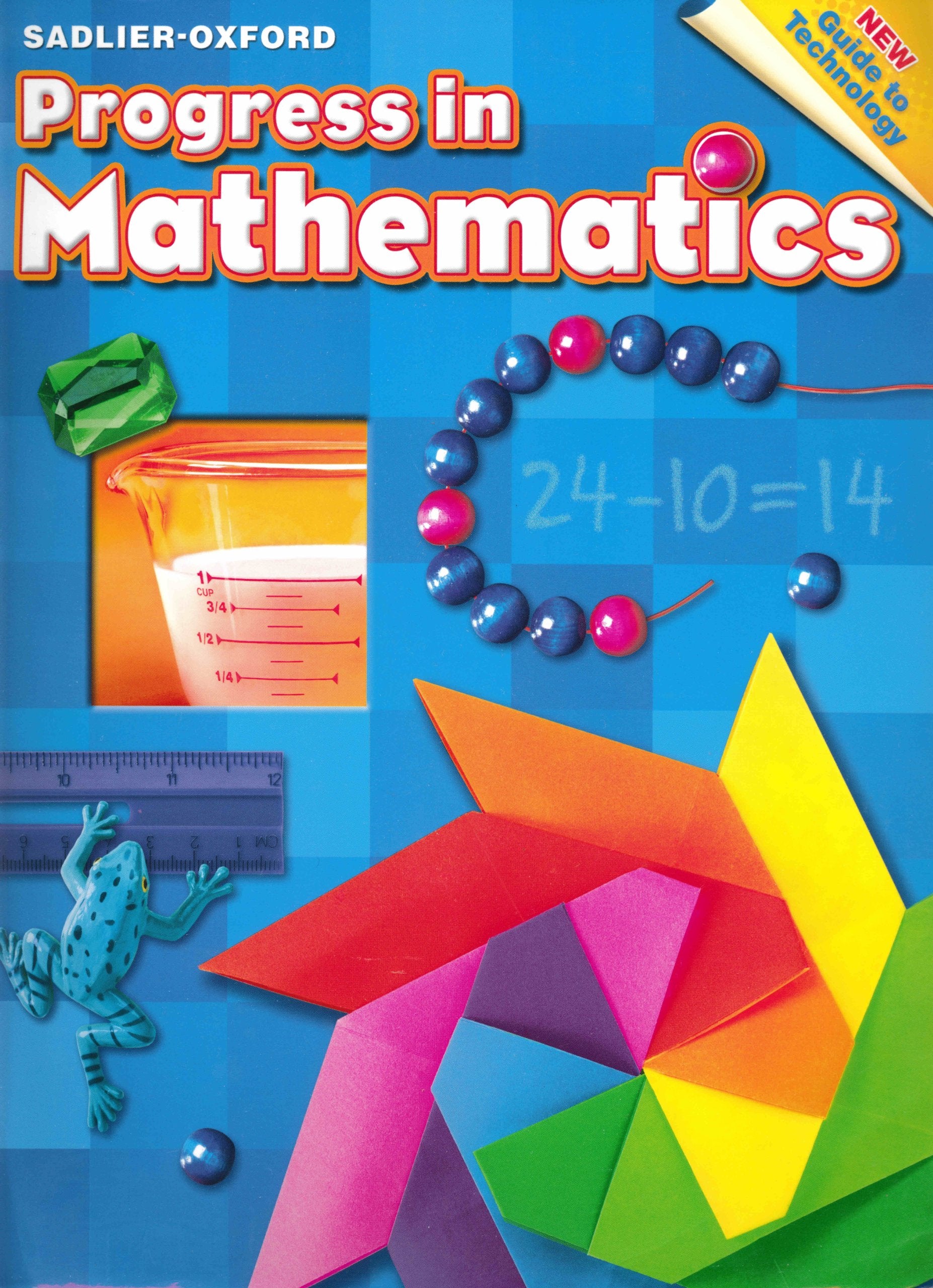
Progress In Mathematics Grade 2,Used
Sold by Ergodebooks, an authorized reseller.
Returns accepted within 30 days | support@ergodebooks.com
Shipping Information
- Free Standard Shipping — United States only
- Processing Time: 3–5 business days
- Estimated Delivery: 6–10 business days after dispatch
- Double-boxed, fully insured & discreetly packaged
- Tracking number sent via email once dispatched
Returns & Refund
Returns accepted within 30 days of delivery.
Damaged or Defective Item
Free return shipping + replacement or full refund
Wrong Item Received
Free return shipping + replacement or full refund
Change of Mind
Return shipping at customer's expense · 25% restocking fee applies
Payment Option

Progress In Mathematics 2009 Student Edition Grade 2In Alignment With The Common Core State Standards, The Scope And Sequence Of Progress In Mathematics Is Organized Into Bitesized, Manageable Lessons Allowing For Deeper Understanding Of Skills And Concepts So Students Can Learn As Quickly They Can Or As Slowly As They Must. Progress In Focuses On Conceptual Development For All Learners. Builds Knowledge Lesson By Lesson And Across Grade Levels With Coherent Lessons. Develops Fluency And Conceptual Understanding In A Multitude Of Ways. Deepens Understanding With Vocabulary, Cognitive Rigor, And Higherlevel Thinking Skills.
⚠️ WARNING (California Proposition 65):
This product may contain chemicals known to the State of California to cause cancer, birth defects, or other reproductive harm.
For more information, please visit www.P65Warnings.ca.gov.
- Q: How many pages does the Progress in Mathematics Grade 2 book have? A: This book has six hundred twenty-four pages. It provides comprehensive content aligned with the Common Core State Standards.
- Q: What type of binding does this math book have? A: The Progress in Mathematics Grade 2 book is paperback bound. This makes it lightweight and easy to handle for young learners.
- Q: Who is the author of Progress in Mathematics Grade 2? A: The author is Catherine LeTourneau. She has crafted the content to support conceptual development in mathematics.
- Q: What age group is the Progress in Mathematics Grade 2 suitable for? A: This book is suitable for second-grade students, typically aged seven to eight years old. It is designed to help them grasp foundational math concepts.
- Q: How does this math book support different learning paces? A: The book offers bite-sized lessons that allow students to learn at their own pace. This approach helps accommodate various learning styles and speeds.
- Q: Is the Progress in Mathematics Grade 2 book aligned with educational standards? A: Yes, it is aligned with the Common Core State Standards. This ensures that the material meets the educational needs of students.
- Q: What is the best way to use the Progress in Mathematics Grade 2 book? A: The best way is to follow the structured lessons provided. Students can work through exercises to build their understanding progressively.
- Q: Can this book be used for homeschooling? A: Yes, it is suitable for homeschooling. The structured lessons and clear explanations make it an excellent resource for home education.
- Q: Is there a teacher's guide available for this math book? A: No, there is no specific teacher's guide mentioned. However, parents and educators can use the book's layout to guide learning.
- Q: How should I store the Progress in Mathematics Grade 2 book? A: Store it in a dry, cool place away from direct sunlight. This will help preserve its condition and longevity.
- Q: Can the pages of the book be written on? A: No, the book is not designed for writing on. It is recommended to use a separate notebook for exercises.
- Q: What subjects does the Progress in Mathematics Grade 2 cover? A: It primarily covers mathematical concepts including addition, subtraction, measurement, and geometry. Each lesson builds on prior knowledge.
- Q: Is there any digital version of this book available? A: No, the listing does not mention a digital version. It is currently available only as a paperback.
- Q: What makes this book different from other math books for second graders? A: The focus on conceptual development and vocabulary, along with coherent lesson sequences, distinguishes it from many other resources.
- Q: Are there practice exercises included in the book? A: Yes, each lesson includes practice exercises. These help reinforce the skills and concepts taught in each section.
- Q: Is Progress in Mathematics Grade 2 suitable for students with learning difficulties? A: Yes, the bite-sized lessons and varied approaches to learning concepts can benefit students with different learning needs.