
Title
Progressive Traditions: Identity In Cherokee Literature And Culture (Volume 61) (American Indian Literature And Critical Studies,Used
Sold by Ergodebooks, an authorized reseller.
Returns accepted within 30 days | support@ergodebooks.com
Shipping Information
- Free Standard Shipping — United States only
- Processing Time: 3–5 business days
- Estimated Delivery: 6–10 business days after dispatch
- Double-boxed, fully insured & discreetly packaged
- Tracking number sent via email once dispatched
Returns & Refund
Returns accepted within 30 days of delivery.
Damaged or Defective Item
Free return shipping + replacement or full refund
Wrong Item Received
Free return shipping + replacement or full refund
Change of Mind
Return shipping at customer's expense · 25% restocking fee applies
Payment Option

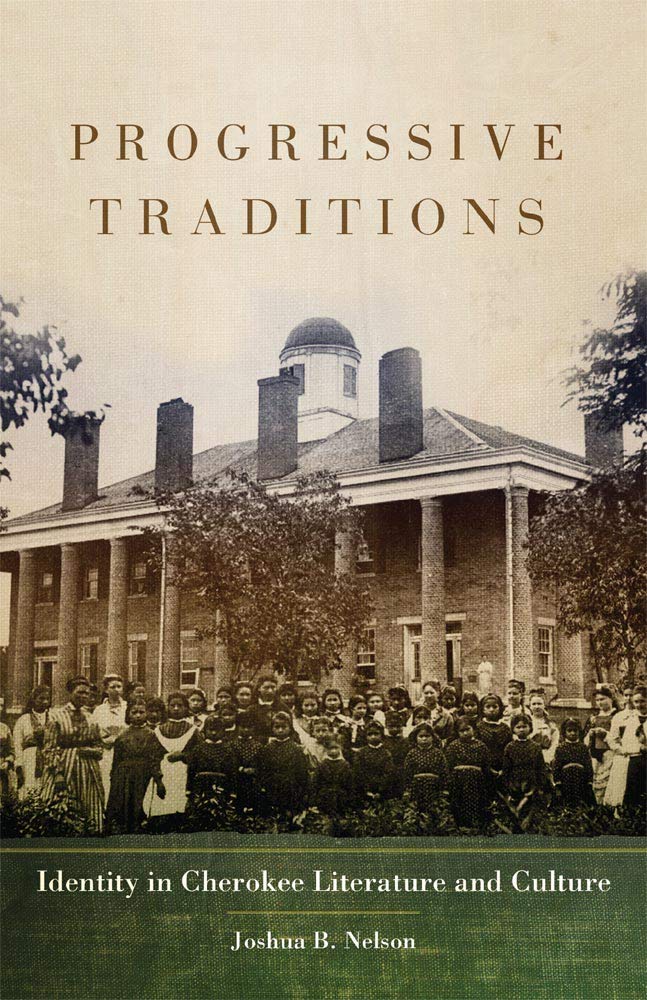
According to a dichotomy commonly found in studies of American Indians, some noble Native people defiantly defend their pristine indigenous traditions in honor of their ancestors, while others in weakness or greed surrender their culture and identities to white American economies and institutions. This traditionalistversusassimilationist divide is, Joshua B. Nelson argues, a false one. To make his case that American Indians rarely if ever conform to such simplistic identifications, Nelson considers the literature and culture of many Cherokee people.Exploring a range of linked cultural practices and beliefs through the works of Cherokee thinkers and writers from the nineteenth century to today, Nelson finds ample evidence that tradition can survive through times of radical change: Cherokees do their cultural work both in progressively traditional and traditionally progressive ways. Studying individuals previously deemed either traditional or assimilationist, Nelson presents a more nuanced interpretation. Among the works he examines are the political rhetoric of Elias Boudinot, a forefather of American Indian literature, and of John Ross, the principal chief during the Removal years; the understudied memoirs of Catharine Brown, a nineteenthcentury Cherokee convert to Christianity; and the novel Kholvn, by contemporary traditionalist Sequoyah Guess, a writer of peculiarly Cherokee science fiction.Across several genresincluding autobiography, fiction, speeches, laws, and lettersProgressive Traditions identifies an indigenous anarchism, a pluralist, communitycentered political philosophy that looks to practices that preceded and surpass the nationstate as ways of helping Cherokee people prosper. This critique of the common call for expansion of tribal nations sovereignty over their citizens represents a profound shift in American Indian critical theory and challenges contemporary indigenous people to rethink power among nations, communities, and individuals.
⚠️ WARNING (California Proposition 65):
This product may contain chemicals known to the State of California to cause cancer, birth defects, or other reproductive harm.
For more information, please visit www.P65Warnings.ca.gov.