
Title
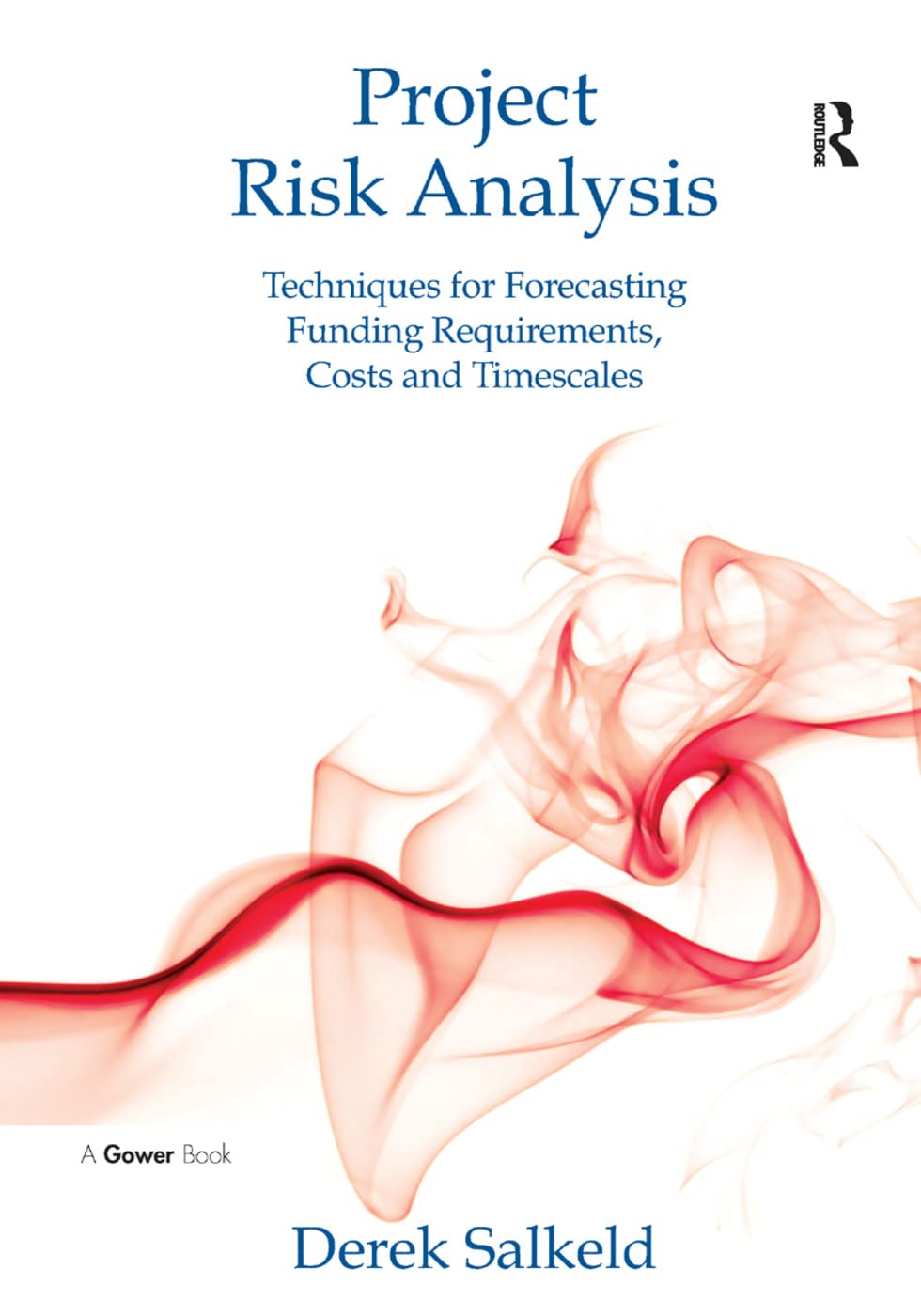
Project Risk Analysis: Techniques for Forecasting Funding Requirements, Costs and Timescales,Used
Sold by Ergodebooks, an authorized reseller.
Returns accepted within 30 days | support@ergodebooks.com
Shipping Information
- Free Standard Shipping — United States only
- Processing Time: 3–5 business days
- Estimated Delivery: 6–10 business days after dispatch
- Double-boxed, fully insured & discreetly packaged
- Tracking number sent via email once dispatched
Returns & Refund
Returns accepted within 30 days of delivery.
Damaged or Defective Item
Free return shipping + replacement or full refund
Wrong Item Received
Free return shipping + replacement or full refund
Change of Mind
Return shipping at customer's expense · 25% restocking fee applies
Payment Option

Projects overspend and overrun. Business cases perform less well than expected. Managers tighten their grip and initiate more procedure. But little changes and the scenario repeats, and it has done so for decades. Losing other peoples' money and goodwill is almost an innate characteristic of projects. This may be a norm but it need not be the natural state of affairs. In Project Risk Analysis, Derek Salkeld shows how easily assimilated techniques developed out of formal risk analysis methods can be used to increase the chances of projects being delivered to the oft quoted objective of on time and to budget, to quality and to popular acceptance. These techniques need to be understood by managers so that they can foresee the benefits of directing their teams to carry them out, and so they can inform their clients about the potential consequences of the investments they wish to make and how the project team plan to assure these. The three parts of the book explain how you can: calculate the funding required for a simple, short project using risk based methods to generate answers that are more accurate than traditional estimating apply the techniques to inform an investment decision for a major project, taking into account whole of life costs, operations and revenues design and implement specific management controls that will assure the outcomes of the investment decisions. Risk and opportunity are inherent in projects and yet, whilst many organizations invest heavily in project management methodologies and processes, few project sponsors, project board members or managers understand the effect these might have. The approach taken in the book is to understand how the risk and opportunity in a project will affect its funding requirements and its business case outcomes, and to use this understanding to devise management controls that will benefit both the investor and the project manager. This is essential reading for anyone concerned with adding value to projects, programmes and the organizations for which they are delivering them.
⚠️ WARNING (California Proposition 65):
This product may contain chemicals known to the State of California to cause cancer, birth defects, or other reproductive harm.
For more information, please visit www.P65Warnings.ca.gov.