If you have any questions, you are always welcome to contact us. We'll get back to you as soon as possible, withing 24 hours on weekdays.
Customer service
All questions about your order, return and delivery must be sent to our customer service team by e-mail at yourstore@yourdomain.com
Sale & Press
If you are interested in selling our products, need more information about our brand or wish to make a collaboration, please contact us at press@yourdomain.com
Help
If you have any questions, you are always welcome to contact us. We'll get back to you as soon as possible, withing 24 hours on weekdays.
Customer service
All questions about your order, return and delivery must be sent to our customer service team by e-mail at yourstore@yourdomain.com
Sale & Press
If you are interested in selling our products, need more information about our brand or wish to make a collaboration, please contact us at press@yourdomain.com
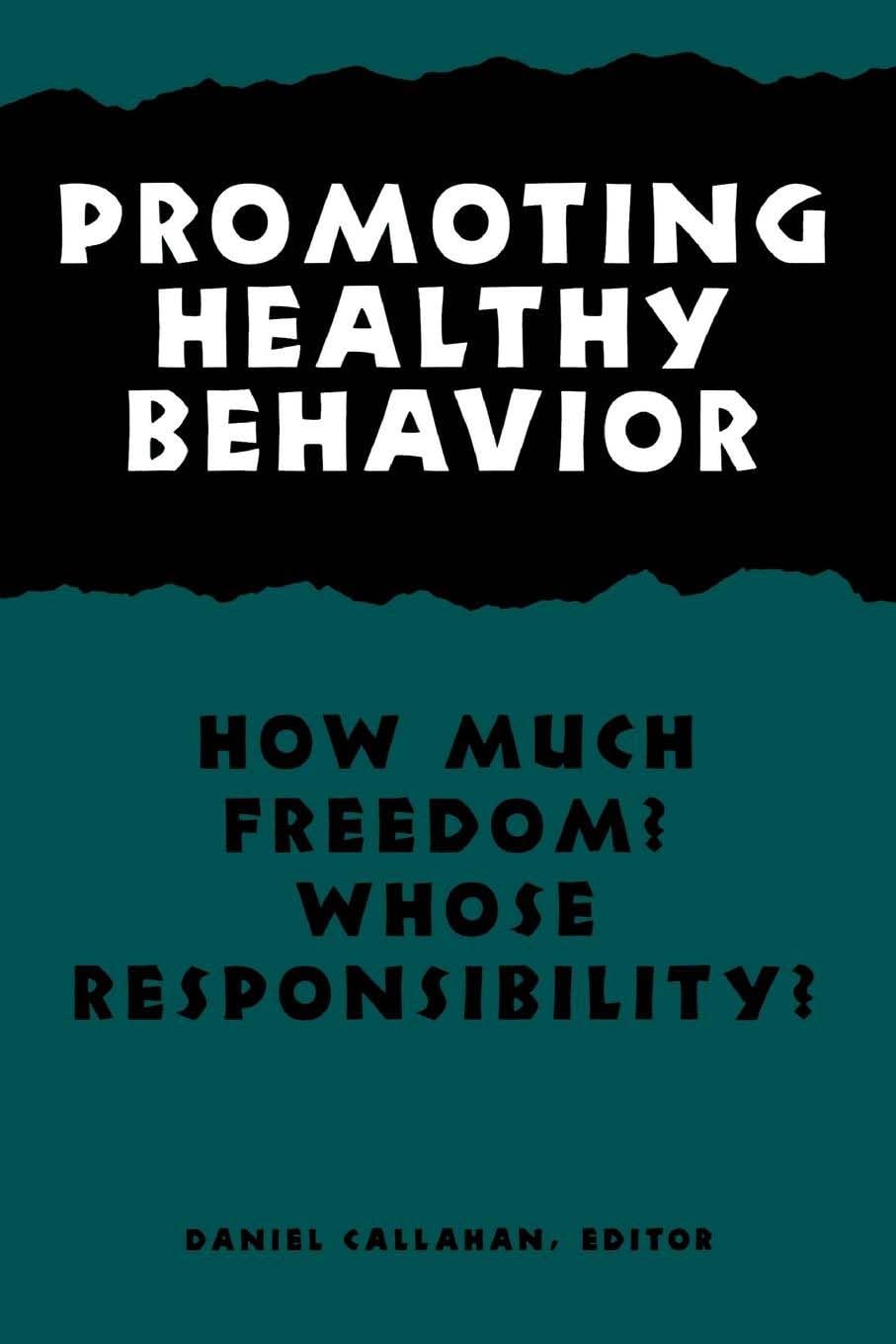
The government, the media, HMOs, and individual Americans have all embraced programs to promote disease prevention. Yet obesity is up, exercise is down, teenagers continue to smoke, and sexually transmitted disease is rampant. Why? These intriguing essays examine the ethical and social problems that create subtle obstacles to changing Americans' unhealthy behavior.The contributors raise profound questions about the role of the state or employers in trying to change healthrelated behavior, about the actual health and economic benefits of even trying, and about the freedom and responsibility of those of us who, as citizens, will be the target of such efforts. They ask, for instance, whether we are all equally free to live healthy lives or whether social and economic conditions make a difference. Do disease prevention programs actually save money, as is commonly argued? What is the moral legitimacy of using economic and other incentives to change people's behavior, especially when (as with HMOs) the goal is to control costs?One key issue explored throughout the book is the fundamental ambivalence of traditionally libertarian Americans about health promotion programs: we like the idea of good health, but we do not want government or others posing threats to our personal lifestyle choices. The contributors argue that such programs will continue to prove less than wholly successful without a fuller examination of their place in our national values.
⚠️ WARNING (California Proposition 65):
This product may contain chemicals known to the State of California to cause cancer,
birth defects, or other reproductive harm.
For MAP (Minimum Advertised Price) violations and Intellectual Property (IP) or Trademark concerns, please contact:
support@ergodebooks.com
⚠️ California Proposition 65 Warning: Some products sold on this website may expose you to chemicals known to the State of California to cause cancer, birth defects, or other reproductive harm. For more information, visit www.P65Warnings.ca.gov.