
Title
Protecting the Elderly: How Culture Shapes Social Policy,Used
Sold by Ergodebooks, an authorized reseller.
Returns accepted within 30 days | support@ergodebooks.com
Shipping Information
- Free Standard Shipping — United States only
- Processing Time: 3–5 business days
- Estimated Delivery: 6–10 business days after dispatch
- Double-boxed, fully insured & discreetly packaged
- Tracking number sent via email once dispatched
Returns & Refund
Returns accepted within 30 days of delivery.
Damaged or Defective Item
Free return shipping + replacement or full refund
Wrong Item Received
Free return shipping + replacement or full refund
Change of Mind
Return shipping at customer's expense · 25% restocking fee applies
Payment Option

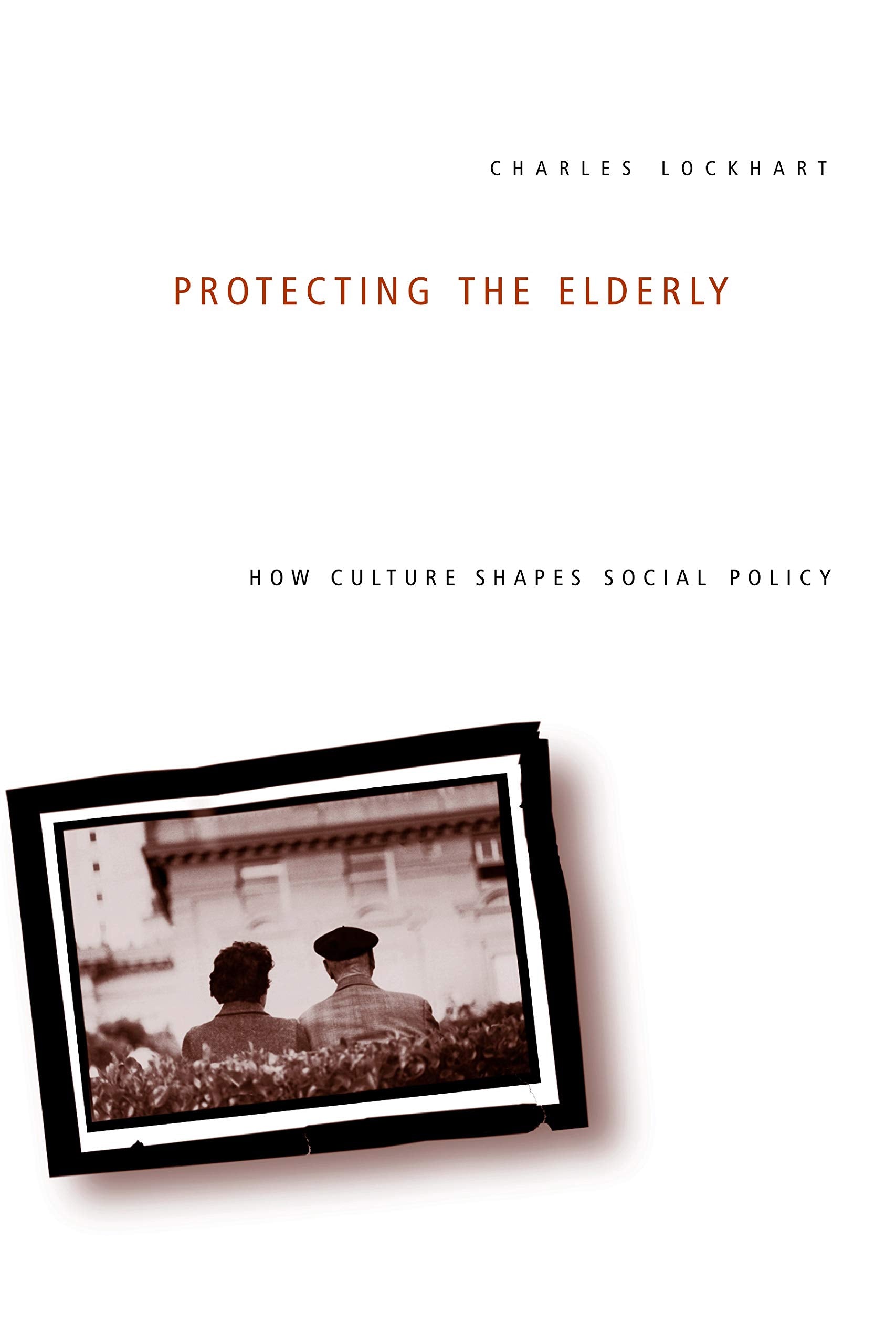
Building on the pioneering work of anthropologist Mary Douglas and political scientist Aaron Wildavsky, this book develops and applies 'gridgroup' theory to show how political culture can be used to explain decisions about social policy and how, as an interpretive approach, this theory complements the now more dominant 'rational choice' and 'institutionalist' models.In Part One, Lockhart elaborates on the basic ideas involved in gridgroup theory, using examples to help illuminate how the theory can address areas of explanation left out of rationalchoice and institutionalist models, such as preference formation and institutional design. According to gridgroup theory, different societies have varying proportions of their members who adhere to one or another of three ubiquitous, socially interactive cultures: hierarchy, individualism, and egalitarianism. The adherents of these disparate cultures adopt culturally constrained rationalities (based on rival sets of values) and strive to construct distinctive institutional designs.In Part Two, this theory is used to help make better sense of social policy decision making. A society whose political elite is predominantly hierarchical, for instance, will develop social programs sharply distinct from those of societies whose leaders are adherents of individualism or egalitarianism. The empirical focus of this part of the book is on the decisions about policy affecting the elderly in the United States, the former Soviet Union, Germany, and Japan during the economically difficult 1980s. Important aspects of these decisions, Lockhart shows, reflect the relative influence of rival cultural purposes among relevant societal elites.
⚠️ WARNING (California Proposition 65):
This product may contain chemicals known to the State of California to cause cancer, birth defects, or other reproductive harm.
For more information, please visit www.P65Warnings.ca.gov.