
Title
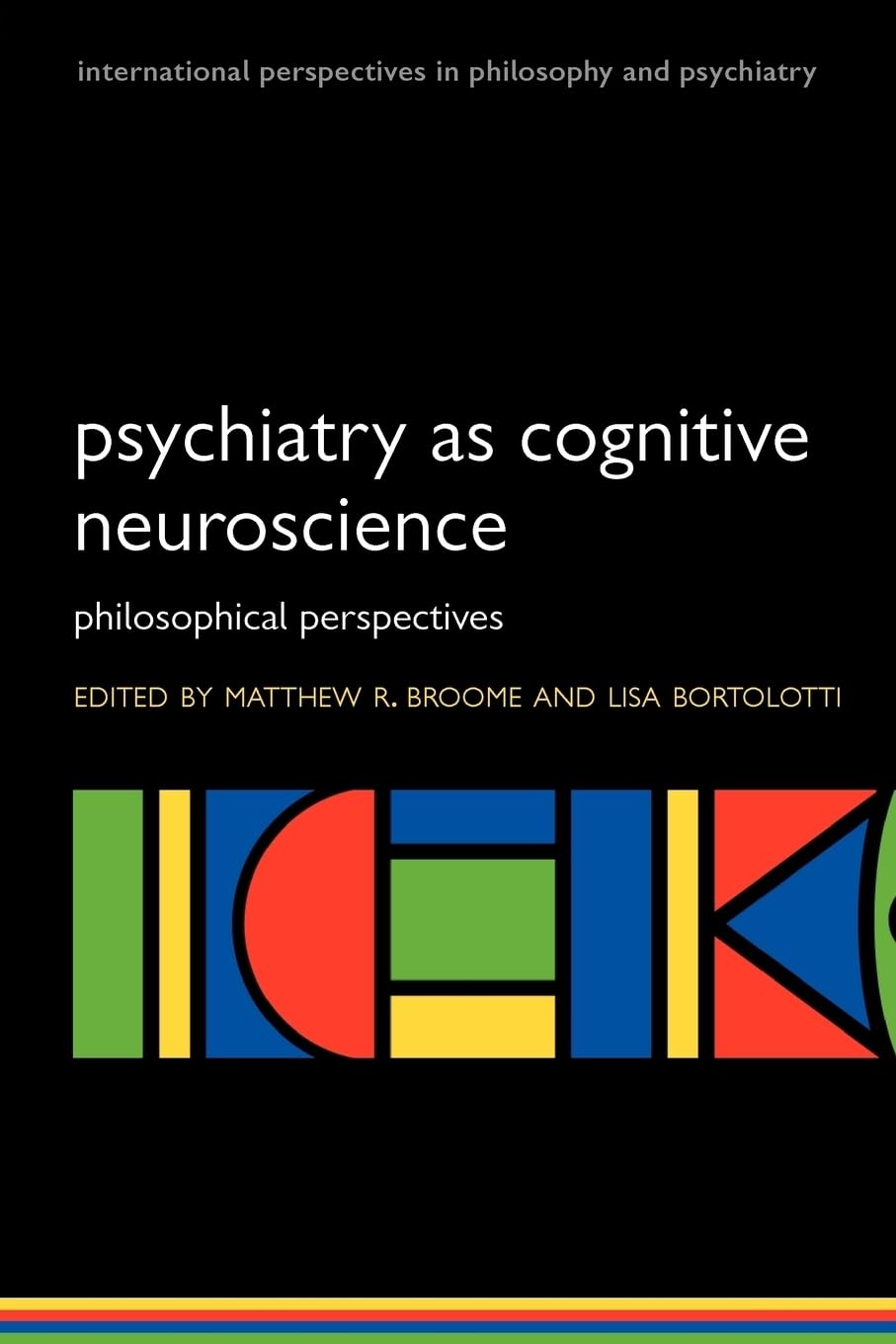
Psychiatry as Cognitive Neuroscience: Philosophical perspectives (International Perspectives in Philosophy and Psychiatry),New
Sold by Ergodebooks, an authorized reseller.
Returns accepted within 30 days | support@ergodebooks.com
Shipping Information
- Free Standard Shipping — United States only
- Processing Time: 3–5 business days
- Estimated Delivery: 6–10 business days after dispatch
- Double-boxed, fully insured & discreetly packaged
- Tracking number sent via email once dispatched
Returns & Refund
Returns accepted within 30 days of delivery.
Damaged or Defective Item
Free return shipping + replacement or full refund
Wrong Item Received
Free return shipping + replacement or full refund
Change of Mind
Return shipping at customer's expense · 25% restocking fee applies
Payment Option

Neuroscience has long had an impact on the field of psychiatry, and over the last two decades, with the advent of cognitive neuroscience and functional neuroimaging, that influence has been most pronounced. However, many question whether psychopathology can be understood by relying on neuroscience alone, and highlight some of the perceived limits to the way in which neuroscience informs psychiatry.Psychiatry as Cognitive Neuroscience is a philosophical analysis of the role of neuroscience in the study of psychopathology. The book examines numerous cognitive neuroscientific methods, such as neuroimaging and the use of neuropsychological models, in the context of a variety of psychiatric disorders, including depression, schizophrenia, dependence syndrome, and personality disorders.Psychiatry as Cognitive Neuroscience includes chapters on the nature of psychiatry as a science; the compatibility of the accounts of mental illness derived from neuroscience, informationprocessing, and folk psychology; the nature of mental illness; the impact of methods such as fMRI, neuropsychology, and neurochemistry, on psychiatry; the relationship between phenomenological accounts of mental illness and those provided by naturalistic explanations; the status of delusions and the continuity between delusions and ordinary beliefs; the interplay between clinical and empirical findings in psychopathology and issues in moral psychology and ethics.With contributions from world class experts in philosophy and cognitive science, this book will be essential reading for those who have an interest in the importance and the limitations of cognitive neuroscience as an aid to understanding mental illness.
⚠️ WARNING (California Proposition 65):
This product may contain chemicals known to the State of California to cause cancer, birth defects, or other reproductive harm.
For more information, please visit www.P65Warnings.ca.gov.
- Q: What is the main focus of 'Psychiatry as Cognitive Neuroscience'? A: The book primarily examines the impact of neuroscience on psychiatry, analyzing how cognitive neuroscience and functional neuroimaging influence the understanding of psychopathology.
- Q: Who is the author of this book? A: The book is authored by Matthew Broome, a recognized expert in the fields of philosophy and cognitive science.
- Q: What psychiatric disorders are discussed in the book? A: The book covers a variety of psychiatric disorders, including depression, schizophrenia, dependence syndrome, and personality disorders.
- Q: How many pages does the book contain? A: The book contains a total of 400 pages.
- Q: What type of binding is used for this book? A: The book is available in paperback binding.
- Q: Is this book suitable for those new to cognitive neuroscience? A: Yes, the book provides philosophical insights and analyses that can benefit readers new to cognitive neuroscience as well as those already familiar with the subject.
- Q: When was 'Psychiatry as Cognitive Neuroscience' published? A: The book was published on June 22, 2009.
- Q: Does the book discuss the compatibility of neuroscience with traditional views of mental illness? A: Yes, it explores the compatibility of accounts of mental illness derived from neuroscience, information-processing, and folk psychology.
- Q: What is the significance of the methods discussed in the book, such as fMRI? A: The book analyzes the impact of methods like fMRI and neuropsychology on psychiatry and their role in understanding mental illness.
- Q: Is this book a good resource for professionals in psychiatry? A: Yes, the book is essential reading for professionals interested in the role of cognitive neuroscience in understanding mental illness and its limitations.