If you have any questions, you are always welcome to contact us. We'll get back to you as soon as possible, withing 24 hours on weekdays.
Customer service
All questions about your order, return and delivery must be sent to our customer service team by e-mail at yourstore@yourdomain.com
Sale & Press
If you are interested in selling our products, need more information about our brand or wish to make a collaboration, please contact us at press@yourdomain.com
Help
If you have any questions, you are always welcome to contact us. We'll get back to you as soon as possible, withing 24 hours on weekdays.
Customer service
All questions about your order, return and delivery must be sent to our customer service team by e-mail at yourstore@yourdomain.com
Sale & Press
If you are interested in selling our products, need more information about our brand or wish to make a collaboration, please contact us at press@yourdomain.com
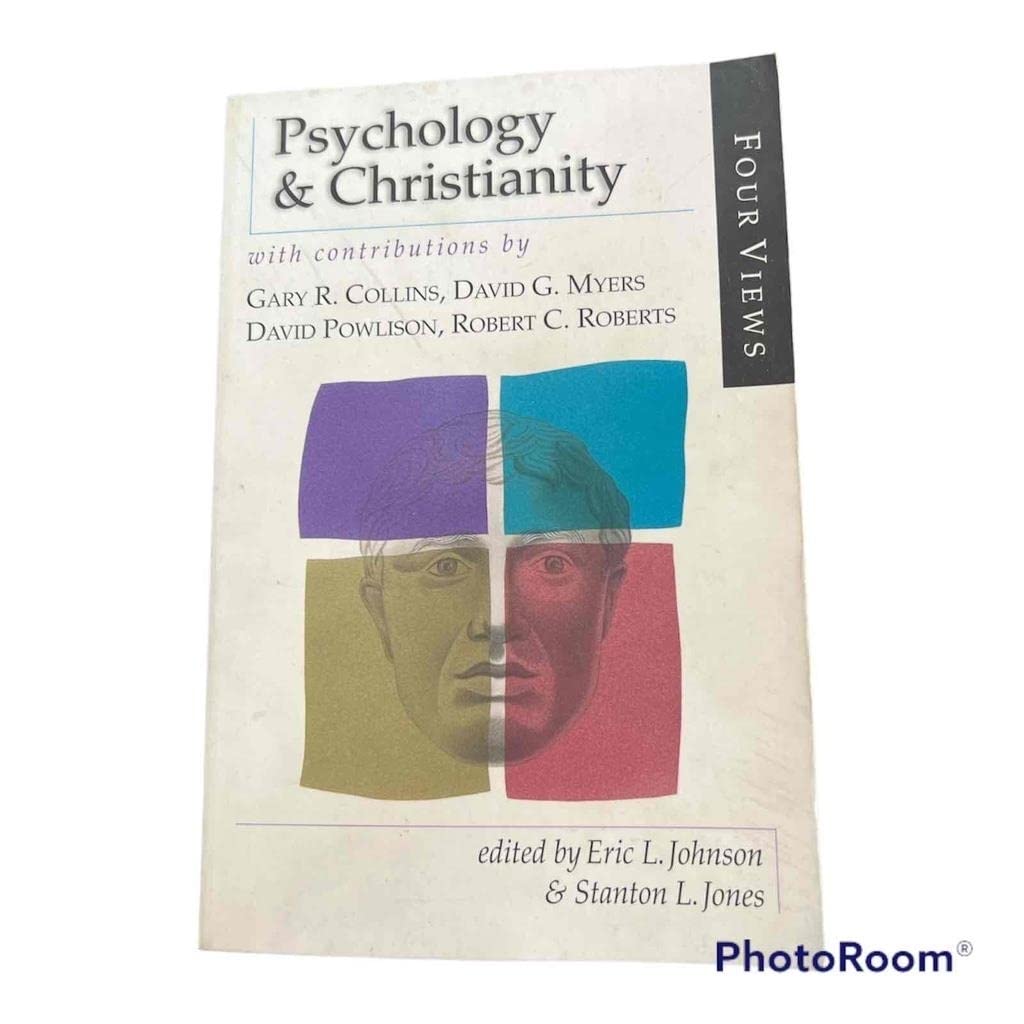
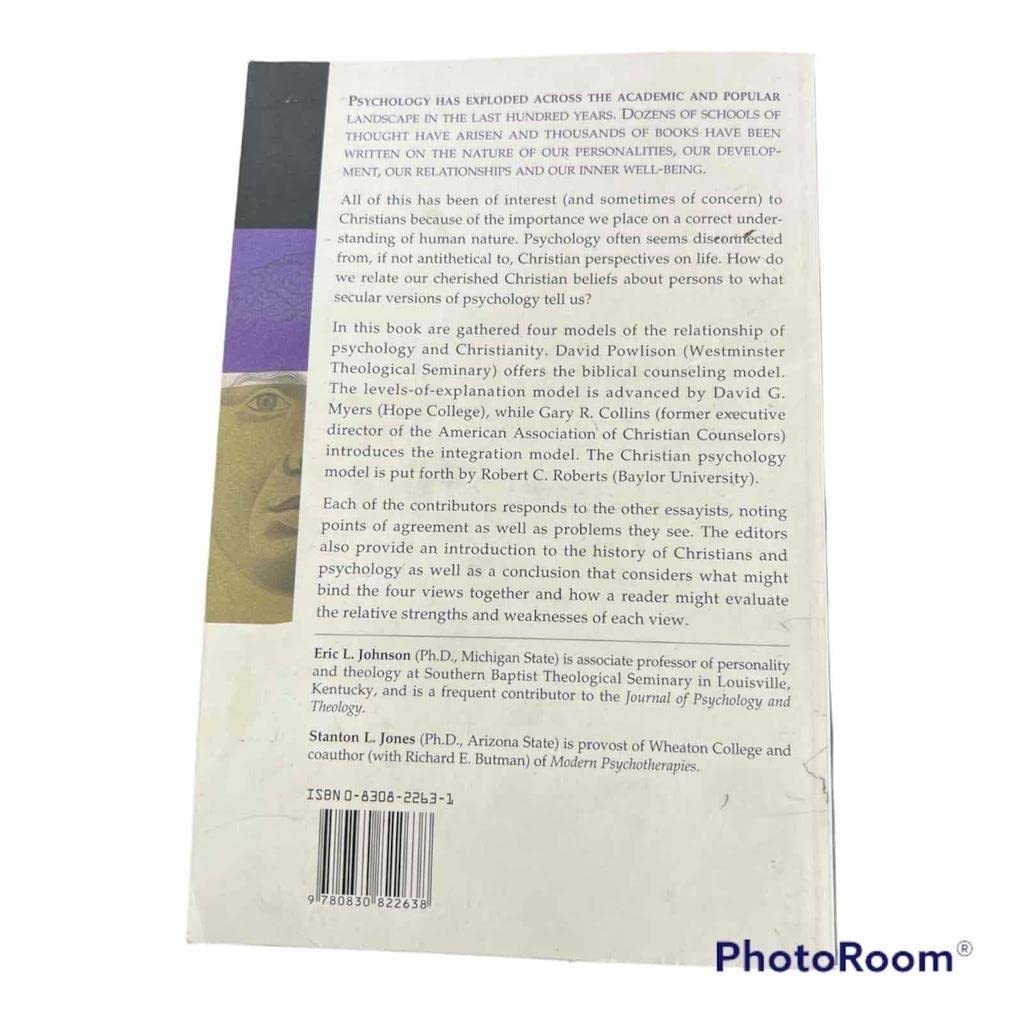
Psychology has exploded across the academic and popular landscape in the last hundred years. Dozens of schools of thought have arisen and thousands of books have been written on the nature of our personalities, our development, our relationships and our inner wellbeing. All of this has been of interest (and sometimes of concern) to Christians because of the importance we place on a correct understanding of human nature. Psychology often seems disconnected from, if not antithetical to, Christian perspectives on life. How do we relate our cherished Christian beliefs about persons to what secular versions of psychology tell us? In this book are gathered four models of the relationship of psychology and Christianity. David Powlison (Westminster Theological Seminary) offers the biblical counseling model. The levelsofexplanation model is advanced by David G. Myers (Hope College), while Gary Collins (former executive director of American Association of Christian Counselors) introduces the integration model. The Christian psychology model is put forth by Robert C. Roberts (Baylor University). Each of the contributors responds to the other essayists, noting points of agreement as well as problems they see. Editors Eric L. Johnson and Stanton L. Jones also provide an introduction to the history of Christians and psychology as well as a conclusion that considers what might bind the four views together and how a reader might evaluate the relative strengths and weaknesses of each view.
⚠️ WARNING (California Proposition 65):
This product may contain chemicals known to the State of California to cause cancer,
birth defects, or other reproductive harm.
For MAP (Minimum Advertised Price) violations and Intellectual Property (IP) or Trademark concerns, please contact:
support@ergodebooks.com
⚠️ California Proposition 65 Warning: Some products sold on this website may expose you to chemicals known to the State of California to cause cancer, birth defects, or other reproductive harm. For more information, visit www.P65Warnings.ca.gov.