
Title
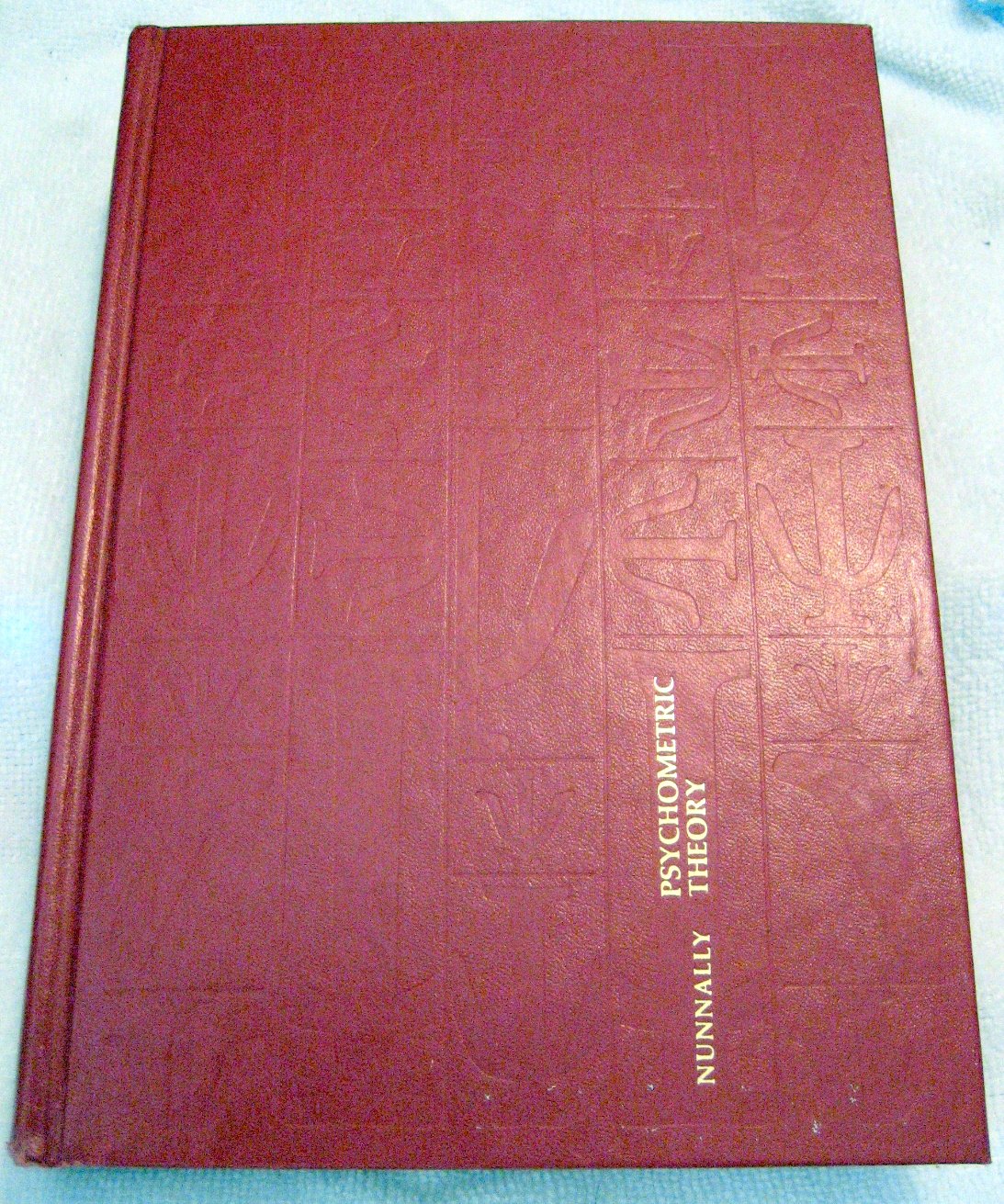
Psychometric Theory,Used
Sold by Ergodebooks, an authorized reseller.
Returns accepted within 30 days | support@ergodebooks.com
Shipping Information
- Free Standard Shipping — United States only
- Processing Time: 3–5 business days
- Estimated Delivery: 6–10 business days after dispatch
- Double-boxed, fully insured & discreetly packaged
- Tracking number sent via email once dispatched
Returns & Refund
Returns accepted within 30 days of delivery.
Damaged or Defective Item
Free return shipping + replacement or full refund
Wrong Item Received
Free return shipping + replacement or full refund
Change of Mind
Return shipping at customer's expense · 25% restocking fee applies
Payment Option

The Classic Text Is Psychometric Theory. Like The Previous Edition, This Text Is Designed As A Comprehensive Text In Measurement For Researchers And For Use In Graduate Courses In Psychology, Education And Areas Of Business Such As Management And Marketing. It Is Intended To Consider The Broad Measurement Problems That Arise In These Areas And Is Written For A Reader Who Needs Only A Basic Background In Statistics To Comprehend The Material. It Also Combines Classical Procedures That Explain Variance With Modern Inferential Procedures.
⚠️ WARNING (California Proposition 65):
This product may contain chemicals known to the State of California to cause cancer, birth defects, or other reproductive harm.
For more information, please visit www.P65Warnings.ca.gov.
- Q: What are the dimensions of the book? A: The book measures one point seventy-five inches in thickness, six point seventy-five inches in width, and nine point seventy-six inches in height.
- Q: How many pages does 'Psychometric Theory' have? A: The book contains six hundred forty pages, providing comprehensive coverage of psychometric principles.
- Q: What type of binding does this book have? A: The book is available in paperback binding, which is suitable for easy handling and reading.
- Q: Is this book suitable for beginners? A: Yes, 'Psychometric Theory' is designed for readers with a basic background in statistics, making it accessible for beginners.
- Q: How can I apply the concepts in this book? A: The book provides foundational knowledge in measurement that can be applied in psychology, education, and business fields.
- Q: Who is the target audience for this book? A: This book targets researchers and graduate students in psychology, education, and business, particularly in management and marketing.
- Q: How should I store this book to keep it in good condition? A: Store the book in a cool, dry place away from direct sunlight to prevent damage to the pages and cover.
- Q: Can I clean the book if it gets dirty? A: Yes, you can gently wipe the cover with a damp cloth, but avoid soaking the pages to maintain their integrity.
- Q: Is this book safe for young adults? A: Yes, 'Psychometric Theory' is appropriate for young adults, especially those pursuing higher education in relevant fields.
- Q: How does this book compare to other textbooks in psychology? A: This book is comprehensive and combines classical and modern approaches, making it a valuable resource compared to other psychology textbooks.
- Q: What if I receive a damaged copy of the book? A: If you receive a damaged copy, you should contact the seller for a return or exchange as per their return policy.
- Q: Is there a warranty for this book? A: Books typically do not come with a warranty, but you can check with the seller for specific return policies.
- Q: What if I have trouble understanding the material? A: If you have trouble, consider joining a study group or seeking additional resources to help clarify the concepts in the book.
- Q: Are there any prerequisites for reading this book? A: A basic understanding of statistics is recommended, but the book is structured to assist readers who are new to psychometrics.
- Q: Does this book cover modern inferential procedures? A: Yes, it combines classical procedures with modern inferential methods to explain variance and measurement issues.