If you have any questions, you are always welcome to contact us. We'll get back to you as soon as possible, withing 24 hours on weekdays.
Customer service
All questions about your order, return and delivery must be sent to our customer service team by e-mail at yourstore@yourdomain.com
Sale & Press
If you are interested in selling our products, need more information about our brand or wish to make a collaboration, please contact us at press@yourdomain.com
Help
If you have any questions, you are always welcome to contact us. We'll get back to you as soon as possible, withing 24 hours on weekdays.
Customer service
All questions about your order, return and delivery must be sent to our customer service team by e-mail at yourstore@yourdomain.com
Sale & Press
If you are interested in selling our products, need more information about our brand or wish to make a collaboration, please contact us at press@yourdomain.com
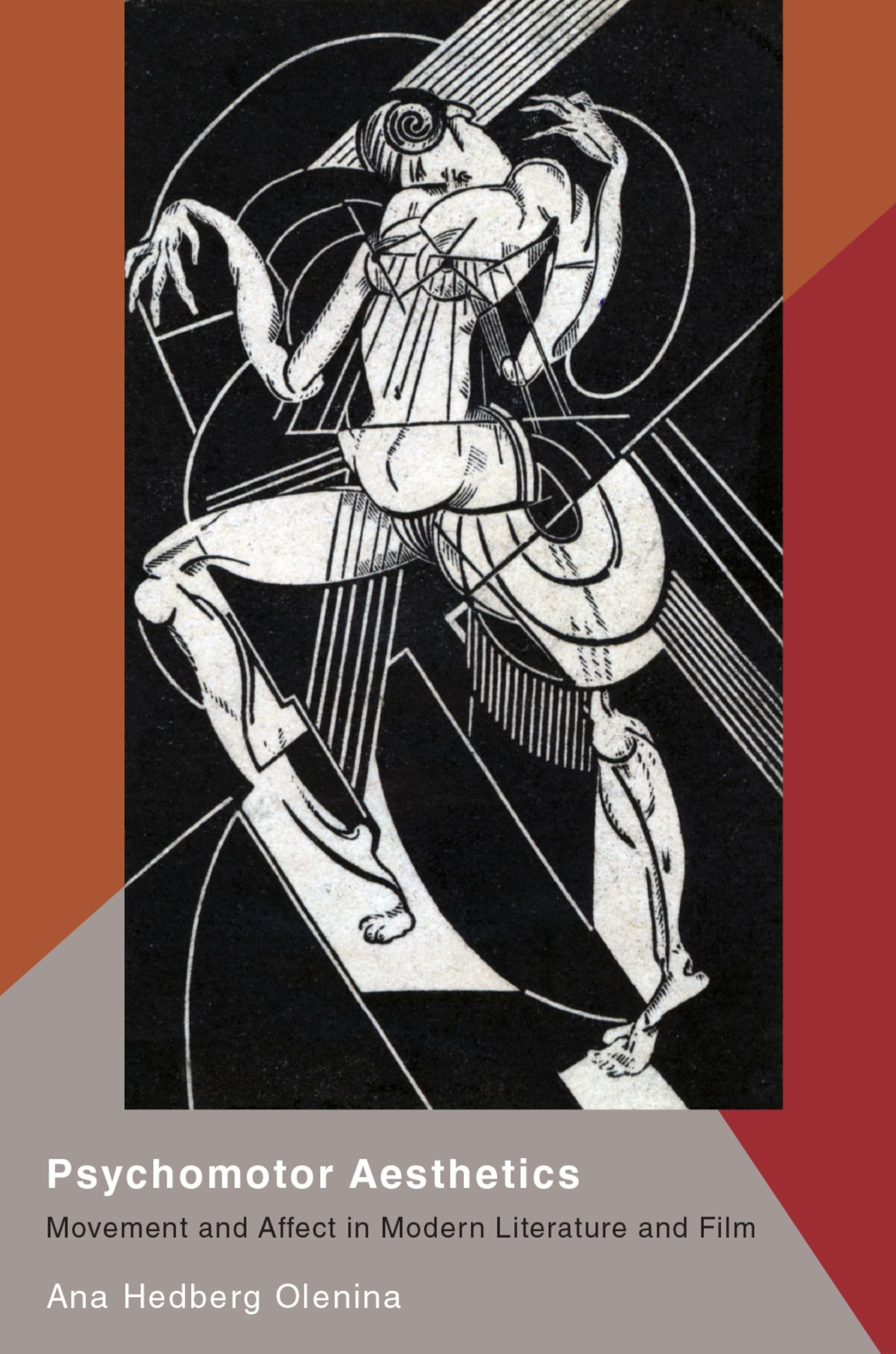
In the late 19th century, modern psychology emerged as a discipline, shaking off metaphysical notions of the soul in favor of a more scientific, neurophysiological concept of the mind. Laboratories began to introduce instruments and procedures which examined bodily markers of psychological experiences, like muscle contractions and changes in vital signs. Along with these changes in the scientific realm came a newfound interest in physiological psychology within the arts particularly with the new perception of artwork as stimuli, able to induce specific affective experiences.In Psychomotor Aesthetics, author Ana Hedberg Olenina explores the effects of physiological psychology on art at the turn of the 20th century. The book explores its influence on not only art scholars and theorists, wishing to understand the relationship between artistic experience and the internal processes of the mind, but also cultural producers more widely. Actors incorporated psychology into their film acting techniques, the Russian and American film industries started to evaluate audience members' physical reactions, and literary scholars began investigations into poets' and performers' articulation. Yet also looming over this newly emergent field were commercial advertisers and politicians, eager to use psychology to further their own mass appeal and assert control over audiences. Drawing from archival documents and a variety of crossdisciplinary sources, Psychomotor Aesthetics calls attention to the cultural resonance of theories behind emotional and cognitive experience theories with implications for today's neuroaesthetics and neuromarketing.
⚠️ WARNING (California Proposition 65):
This product may contain chemicals known to the State of California to cause cancer,
birth defects, or other reproductive harm.
For MAP (Minimum Advertised Price) violations and Intellectual Property (IP) or Trademark concerns, please contact:
support@ergodebooks.com
⚠️ California Proposition 65 Warning: Some products sold on this website may expose you to chemicals known to the State of California to cause cancer, birth defects, or other reproductive harm. For more information, visit www.P65Warnings.ca.gov.