If you have any questions, you are always welcome to contact us. We'll get back to you as soon as possible, withing 24 hours on weekdays.
Customer service
All questions about your order, return and delivery must be sent to our customer service team by e-mail at yourstore@yourdomain.com
Sale & Press
If you are interested in selling our products, need more information about our brand or wish to make a collaboration, please contact us at press@yourdomain.com
Help
If you have any questions, you are always welcome to contact us. We'll get back to you as soon as possible, withing 24 hours on weekdays.
Customer service
All questions about your order, return and delivery must be sent to our customer service team by e-mail at yourstore@yourdomain.com
Sale & Press
If you are interested in selling our products, need more information about our brand or wish to make a collaboration, please contact us at press@yourdomain.com
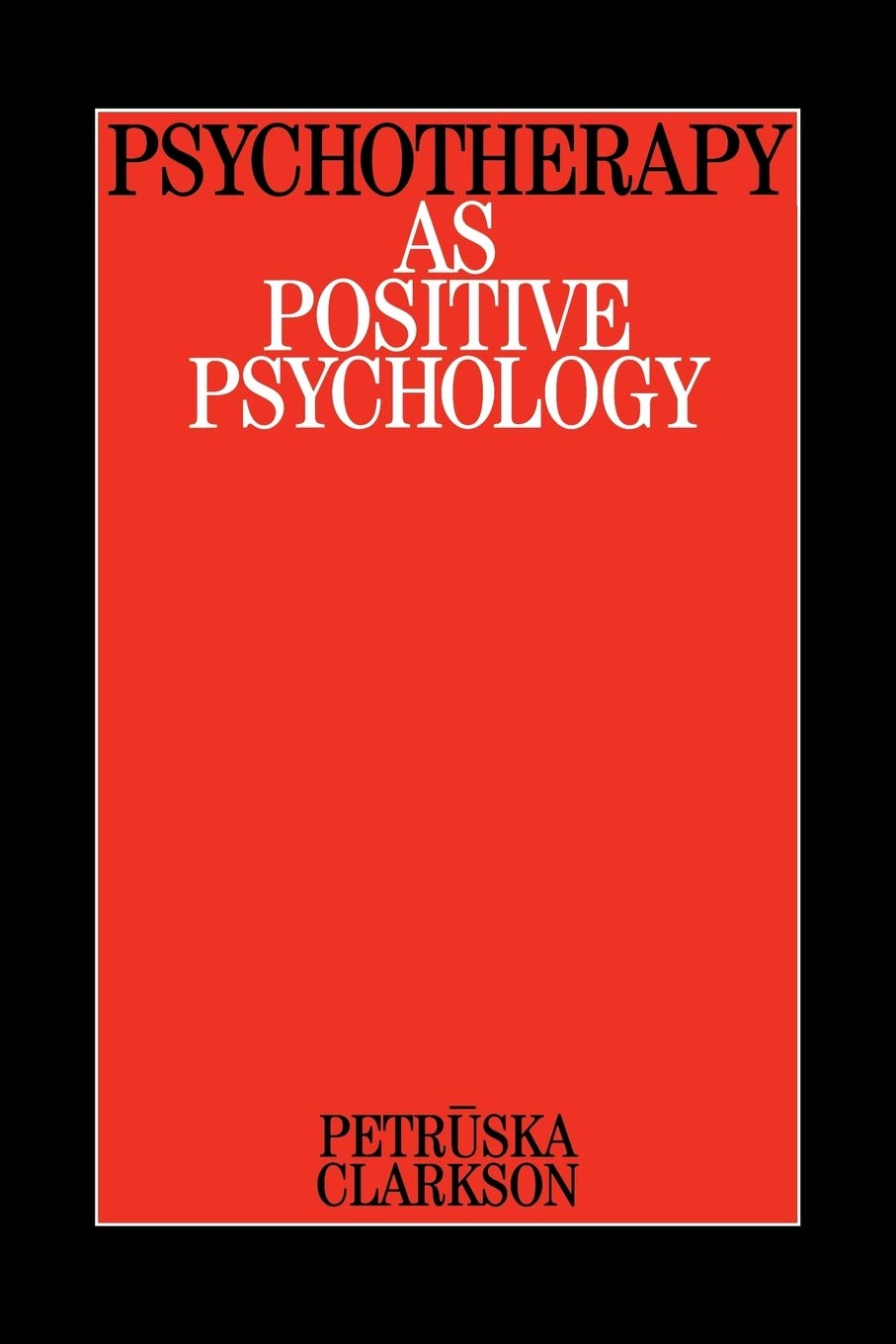
The third volume in the Clarkson on Psychotherapy series brings together a fascinating selection of Professor Clarkson?s work. Most of the material has not previously been formally published, and ranges, from the beginnings of Gestalt through the importance in life and therapy of inborn constitutional temperamental types, to fundamental concerns in using philisophical discipline in psychology and Clarkson?s demonstration how the fiverelational model can be applied to research, is impressive. Psychotherapists of all schools will find much to interest them in Clarkson on Psychotherapy 3, and students as well as practitioners will find the range and depth of papers not only demanding but also stimulating. This volume of papers starts with a paper about the beginnings of Gestalt which was first presented at the World Conference in 1996. Chapters 2 and 3 are here formally published for the first time although the material in it has been wellappreciated over some decades in ?samizdat? copies. Chapter 4 is a sample of Professor Clarkson?s work stressing the importance in life and in therapy of inborn constitutional temperamental types. Chapter 5 reports a joint research project into narratives of psychotherapy in modern English Literature.Chapter 6 surveys the field of Transpersonal psychology. Chapter 7 addresses some foundational concerns in using philosophical discipline in psychology. Finally, chapter 8 shows how the fiverelations model can be applied to research.
⚠️ WARNING (California Proposition 65):
This product may contain chemicals known to the State of California to cause cancer,
birth defects, or other reproductive harm.
For MAP (Minimum Advertised Price) violations and Intellectual Property (IP) or Trademark concerns, please contact:
support@ergodebooks.com
⚠️ California Proposition 65 Warning: Some products sold on this website may expose you to chemicals known to the State of California to cause cancer, birth defects, or other reproductive harm. For more information, visit www.P65Warnings.ca.gov.