
Title
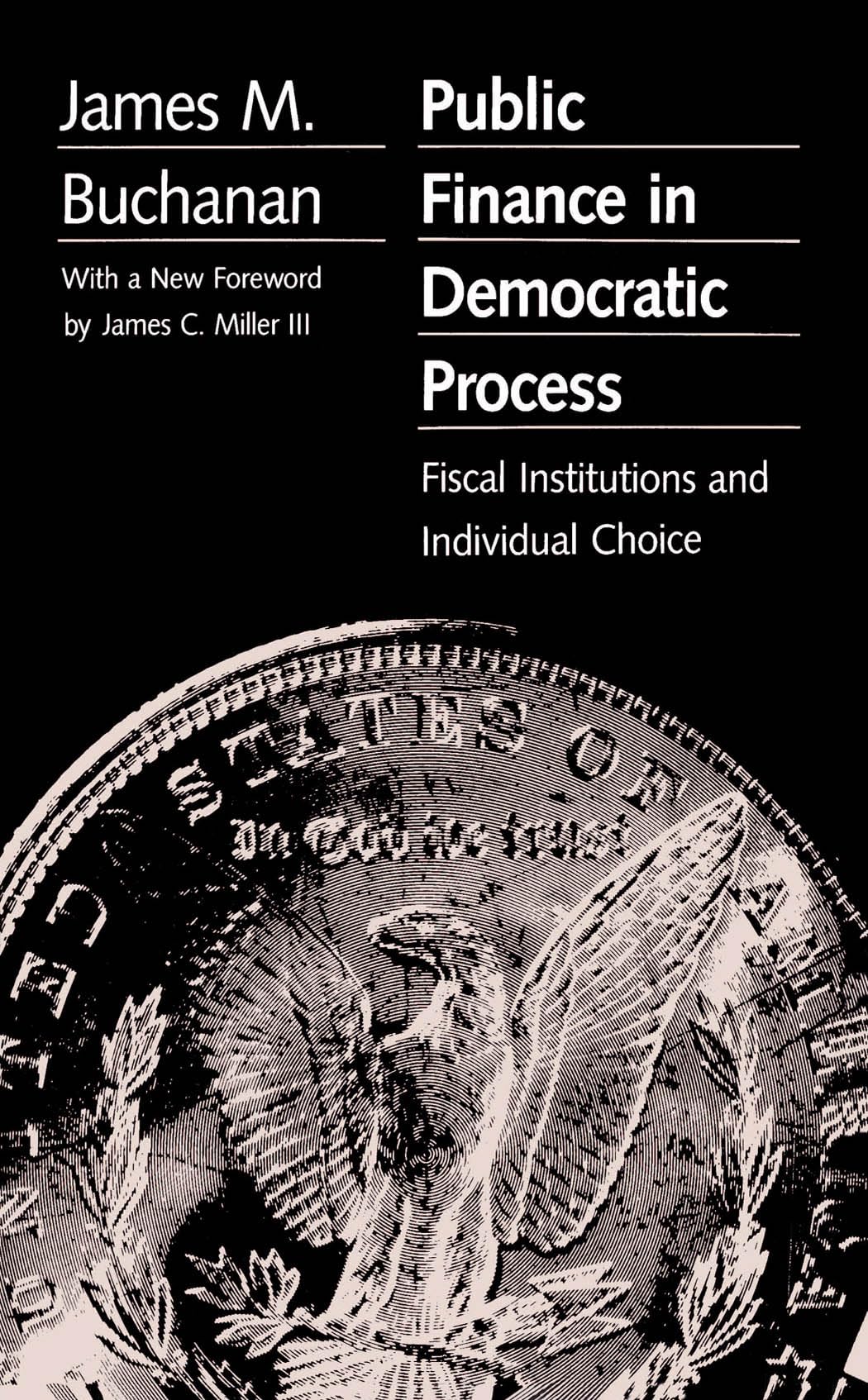
Public Finance in Democratic Process: Fiscal Institutions and Individual Choice,New
Sold by Ergodebooks, an authorized reseller.
Returns accepted within 30 days | support@ergodebooks.com
Shipping Information
- Free Standard Shipping — United States only
- Processing Time: 3–5 business days
- Estimated Delivery: 6–10 business days after dispatch
- Double-boxed, fully insured & discreetly packaged
- Tracking number sent via email once dispatched
Returns & Refund
Returns accepted within 30 days of delivery.
Damaged or Defective Item
Free return shipping + replacement or full refund
Wrong Item Received
Free return shipping + replacement or full refund
Change of Mind
Return shipping at customer's expense · 25% restocking fee applies
Payment Option

Studies of public finance, as traditionally developed, have analyzed the effects of fiscal institutions on the marketchoice behavior of individuals and firms, but this book takes a different approach. It analyzes the effects of fiscal institutions on the politicalchoice behavior of individuals as they participate variously in the decisionmaking processes of democracies.What effect will the form of a new tax have on individuals' attitudes toward more or less public spending? To what extent does the private sectorpublic sector mix depend on the way in which tax payments are made? How do the various taxes affect the fiscal consciousness of individual citizens? These are questions that have been ignored for the most part. They are, nonetheless, important and worthy of examination. This book is an attempt to provide some provisional answers. By the use of simplified models of existing tax institutions, Buchanan predicts the effects that these exert on individual behavior in the area of political choice. The relative effects of direct and indirect taxes, the 'old taxnew tax' distinction, the effects of fiscal earmarking, the effects of unbalanced budgets these are a few of the topics examined.Before these questions can be fully answered, research must be conducted to find out just how much individuals know about the taxes they pay and the benefits they receive. Comparatively little research of this kind has been completed, but the author devotes a chapter to a careful review of the present state of this sort of research.Individuals' choice among alternative fiscal institutions is examined in the second part of the book. If given the opportunity, how would the individual choose to pay his or her taxes? Progressive income taxes, excise taxes, and public debt are analyzed in terms of this question.Because of its interdisciplinary approach, this imaginative study will be of interest to both economists and political scientists.
⚠️ WARNING (California Proposition 65):
This product may contain chemicals known to the State of California to cause cancer, birth defects, or other reproductive harm.
For more information, please visit www.P65Warnings.ca.gov.