
Title
Public Procurement Of Energy Efficiency Services: Lessons From International Experience (Directions In Development) (Directions ,New
Sold by Ergodebooks, an authorized reseller.
Returns accepted within 30 days | support@ergodebooks.com
Shipping Information
- Free Standard Shipping — United States only
- Processing Time: 3–5 business days
- Estimated Delivery: 6–10 business days after dispatch
- Double-boxed, fully insured & discreetly packaged
- Tracking number sent via email once dispatched
Returns & Refund
Returns accepted within 30 days of delivery.
Damaged or Defective Item
Free return shipping + replacement or full refund
Wrong Item Received
Free return shipping + replacement or full refund
Change of Mind
Return shipping at customer's expense · 25% restocking fee applies
Payment Option

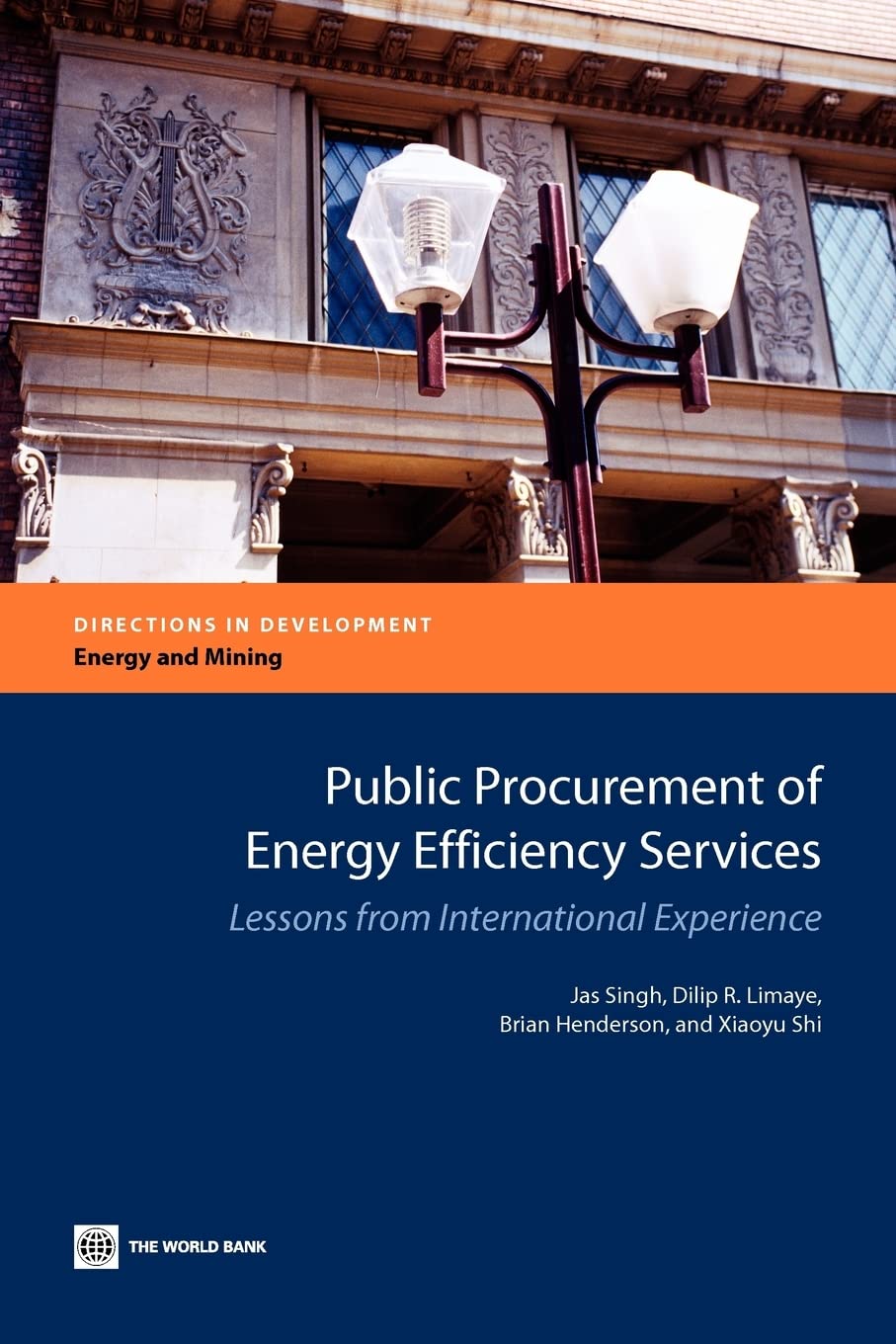
This book looks at a largely untapped energy efficiency market, the public sector. Efficiency potential in this sector is substantial, but implementing energy savings programs have been complicated by a number of factors, including limited incentives to lower energy costs, rigid budgeting and procurement procedures, and limited access to financing. This book looks at energy savings performance contracts (ESPCs) as a means of overcoming some of these barriers in public facilities, since they can outsource the full project cycle to a commercial service provider. ESPCs allow public agencies to solicit various technical solutions, mobilize commercial financing, and assign performance risk to third parties, allowing them to pay from a project s actual energy savings. The findings stem from case studies that identified approaches, models and specific solutions to ESPC procurement, including budgeting, energy audits, and bid evaluation. Such an approach also offers enormous potential to bundle, finance and implement energy efficiency projects on a larger scale in the public sector, which can yield further economies of scale. ESPCs can also serve as an attractive element for fiscal stimulus packages and efforts by governments to green their infrastructure, which can create local jobs, reduce future operating costs, and mitigate their carbon footprint. Lower energy bills, in turn, helps to create fiscal space in future years to meet other critical investment priorities. And, this can help stimulate local markets for energy efficiency goods and services and lead by example, demonstrating good practices and providing models to the private sector.
⚠️ WARNING (California Proposition 65):
This product may contain chemicals known to the State of California to cause cancer, birth defects, or other reproductive harm.
For more information, please visit www.P65Warnings.ca.gov.