If you have any questions, you are always welcome to contact us. We'll get back to you as soon as possible, withing 24 hours on weekdays.
Customer service
All questions about your order, return and delivery must be sent to our customer service team by e-mail at yourstore@yourdomain.com
Sale & Press
If you are interested in selling our products, need more information about our brand or wish to make a collaboration, please contact us at press@yourdomain.com
Help
If you have any questions, you are always welcome to contact us. We'll get back to you as soon as possible, withing 24 hours on weekdays.
Customer service
All questions about your order, return and delivery must be sent to our customer service team by e-mail at yourstore@yourdomain.com
Sale & Press
If you are interested in selling our products, need more information about our brand or wish to make a collaboration, please contact us at press@yourdomain.com
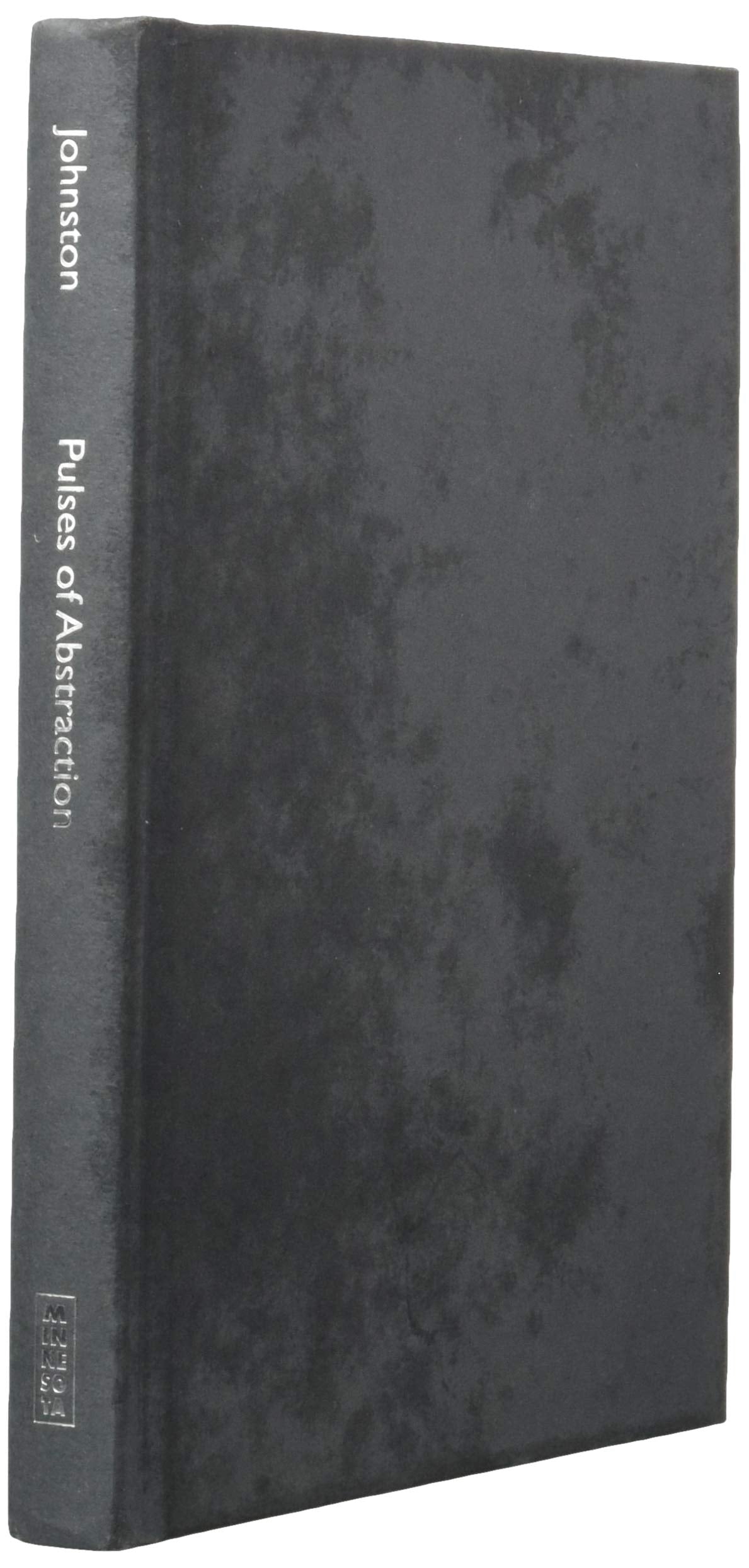
Reshapes the history of abstract animation and its importance to computer imagery and cinemaAnimation and technology are always changing with one another. From handdrawn flipbooks to stopmotion and computergenerated imagery (CGI), animations identity is in flux. But many of these moving image technologies, like CGI, emerged from the world of animation. Indeed, animation has made essential contributions to not only computer imagery but also cinema, helping shape them into the fields and media forms we know today.In Pulses of Abstraction, Andrew R. Johnston presents both a revealing history of abstract animation and an investigation into the relationship between animation and cinema. Examining a rich array of techniquesincluding etching directly onto the filmstrip, immersive coloredlight spectacles, rapid montage sequences, and digital programmingPulses of Abstraction uncovers important epistemological shifts around film and related media. Just as animations images pulse in projection, so too does its history of indexing technological and epistemic changes through experiments with form, material, and aesthetics. Focusing on a period of rapid media change from the 1950s to the 1970s, this book combines close readings of experimental animations with indepth technological studies, revealing how animation helped image culture come to terms with the rise of information technologies.
⚠️ WARNING (California Proposition 65):
This product may contain chemicals known to the State of California to cause cancer,
birth defects, or other reproductive harm.
For MAP (Minimum Advertised Price) violations and Intellectual Property (IP) or Trademark concerns, please contact:
support@ergodebooks.com
⚠️ California Proposition 65 Warning: Some products sold on this website may expose you to chemicals known to the State of California to cause cancer, birth defects, or other reproductive harm. For more information, visit www.P65Warnings.ca.gov.