
Title
Punishment and Power in the Making of Modern Japan,Used
Sold by Ergodebooks, an authorized reseller.
Returns accepted within 30 days | support@ergodebooks.com
Shipping Information
- Free Standard Shipping — United States only
- Processing Time: 3–5 business days
- Estimated Delivery: 6–10 business days after dispatch
- Double-boxed, fully insured & discreetly packaged
- Tracking number sent via email once dispatched
Returns & Refund
Returns accepted within 30 days of delivery.
Damaged or Defective Item
Free return shipping + replacement or full refund
Wrong Item Received
Free return shipping + replacement or full refund
Change of Mind
Return shipping at customer's expense · 25% restocking fee applies
Payment Option

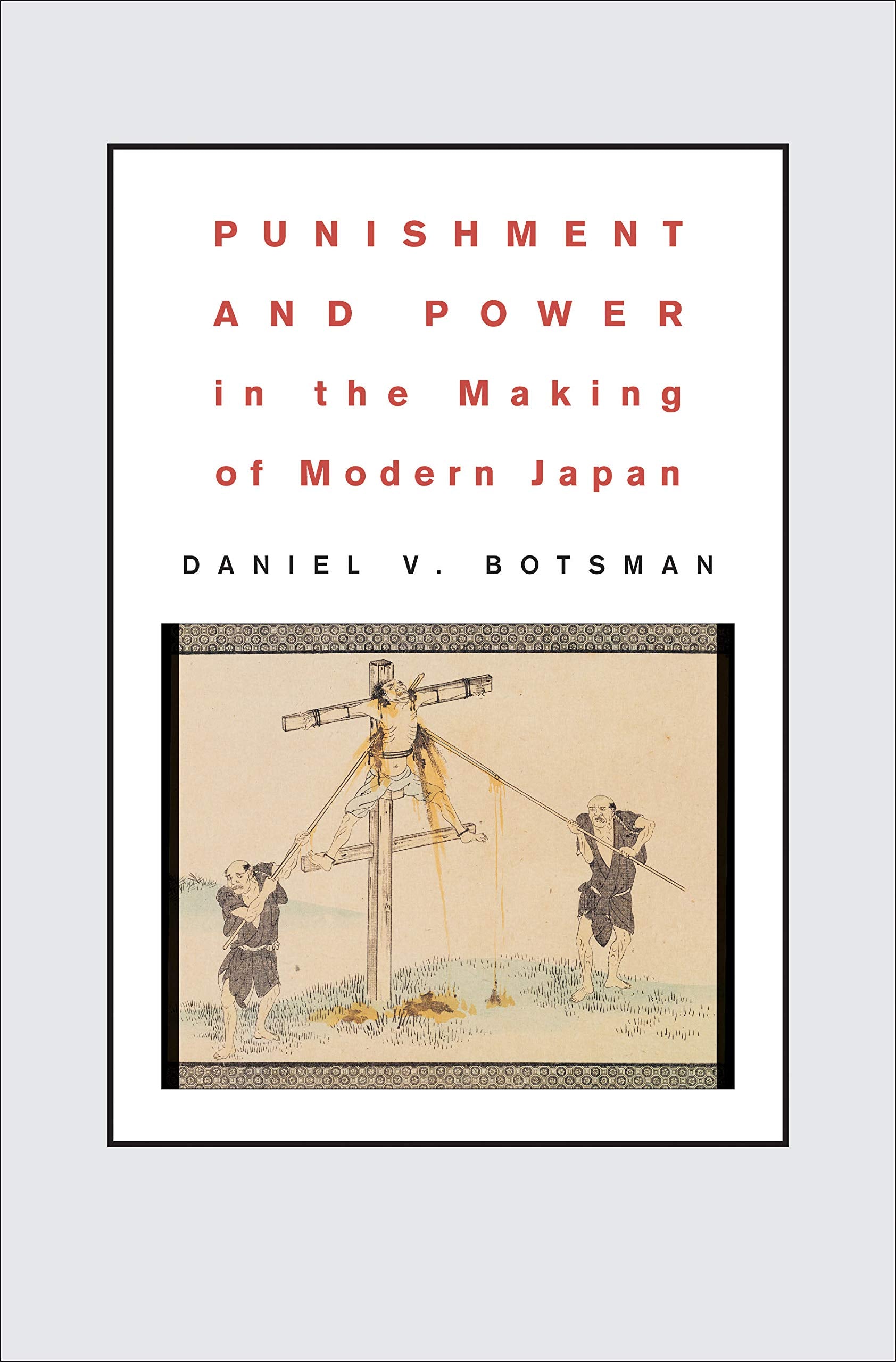
The kinds of punishment used in a society have long been considered an important criterion in judging whether a society is civilized or barbaric, advanced or backward, modern or premodern. Focusing on Japan, and the dramatic revolution in punishments that occurred after the Meiji Restoration, Daniel Botsman asks how such distinctions have affected our understanding of the past and contributed, in turn, to the proliferation of new kinds of barbarity in the modern world.While there is no denying the ferocity of many of the penal practices in use during the Tokugawa period (16001868), this book begins by showing that these formed part of a sophisticated system of order that did have its limits. Botsman then demonstrates that although significant innovations occurred later in the period, they did not fit smoothly into the 'modernization' process. Instead, he argues, the Western powers forced a break with the past by using the specter of Oriental barbarism to justify their own aggressive expansion into East Asia. The ensuing changes were not simply imposed from outside, however. The Meiji regime soon realized that the modern prison could serve not only as a symbol of Japan's international progress but also as a powerful domestic tool. The first Englishlanguage study of the history of punishment in Japan, the book concludes by examining how modern ideas about progress and civilization shaped penal practices in Japan's own colonial empire.
⚠️ WARNING (California Proposition 65):
This product may contain chemicals known to the State of California to cause cancer, birth defects, or other reproductive harm.
For more information, please visit www.P65Warnings.ca.gov.