
Title
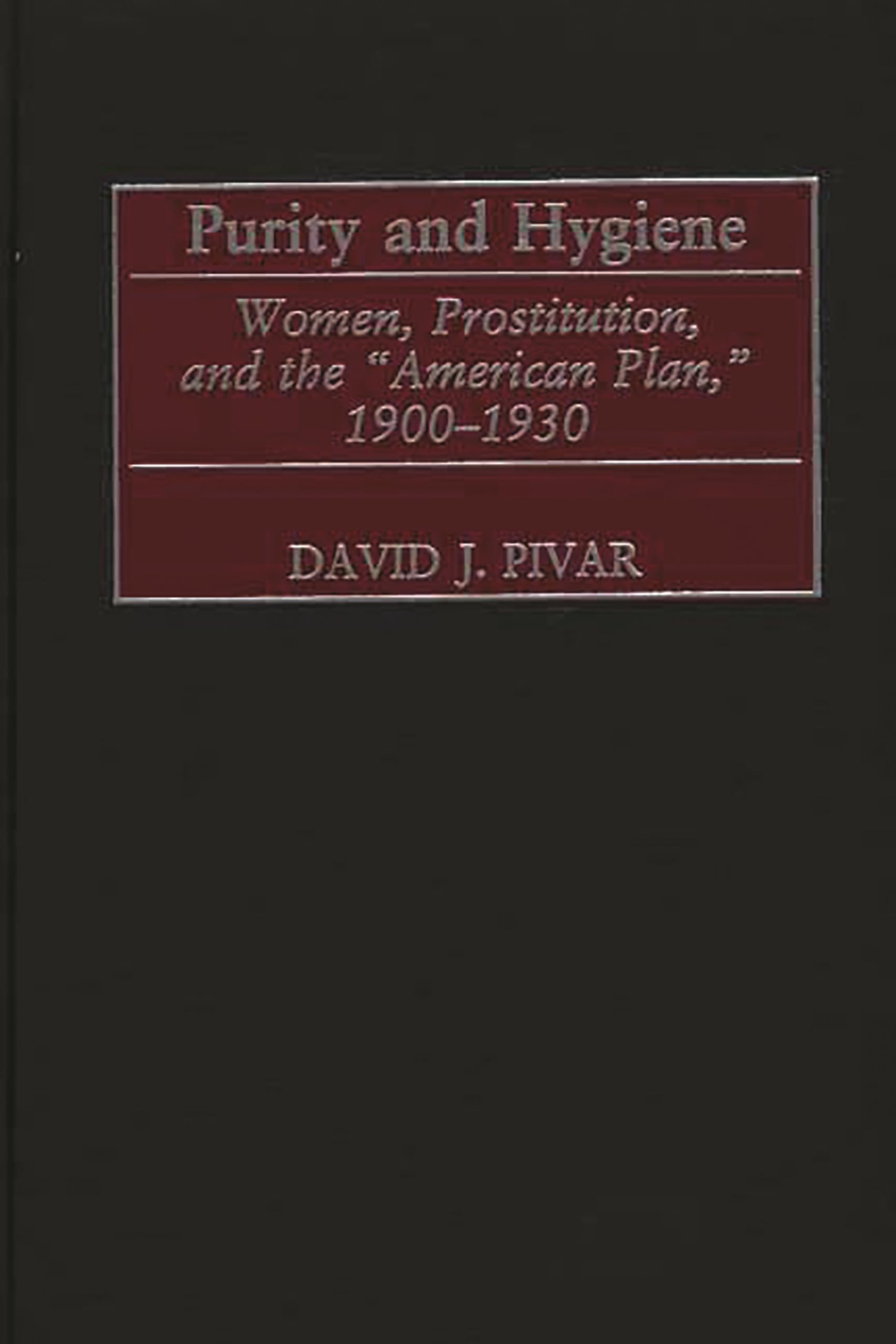
Purity And Hygiene: Women, Prostitution, And The 'American Plan,' 19001930
Sold by Ergodebooks, an authorized reseller.
Returns accepted within 30 days | support@ergodebooks.com
Shipping Information
- Free Standard Shipping — United States only
- Processing Time: 3–5 business days
- Estimated Delivery: 6–10 business days after dispatch
- Double-boxed, fully insured & discreetly packaged
- Tracking number sent via email once dispatched
Returns & Refund
Returns accepted within 30 days of delivery.
Damaged or Defective Item
Free return shipping + replacement or full refund
Wrong Item Received
Free return shipping + replacement or full refund
Change of Mind
Return shipping at customer's expense · 25% restocking fee applies
Payment Option

Social purity in the antislavery tradition, struggled to prevent Stateregulated prostitution in the 19th century and neoregulation in the twentieth. Joining with MidWestern and Far Western purity reform associations and with the vigilance societies formed to end the traffic in white slaves, the American Purity Alliance left those organizations to join the Rockefeller and physician dominated American Social Hygiene Association. Seen as old lights by Rockefeller, purity reformers and their feminist allies were pushed to the periphery of power. They struggled to maintain the environmental implications of social hygiene, but lost to the eugenic/hereditarian thought that narrowed the movement's implications.This study raises new questions about American feminism, Progressive reforms, public health, and the significance of women's suffrage. Rather than rescuing prostitutes, the movement resulted in their further criminalization, deportation, and detainment. Venereal disease rates, rather than declining as they had in Europe, rose dramatically in the 1920s as a result of policies implemented between 1900 and 1920. Ultimately, the repression of white slave traffic and the closing of the red light districts rivaled or exceeded the scope of Prohibition upon the nation. Pivar provides a comparative perspective often missing in other studies of policy toward prostitution and venereal disease.
⚠️ WARNING (California Proposition 65):
This product may contain chemicals known to the State of California to cause cancer, birth defects, or other reproductive harm.
For more information, please visit www.P65Warnings.ca.gov.