
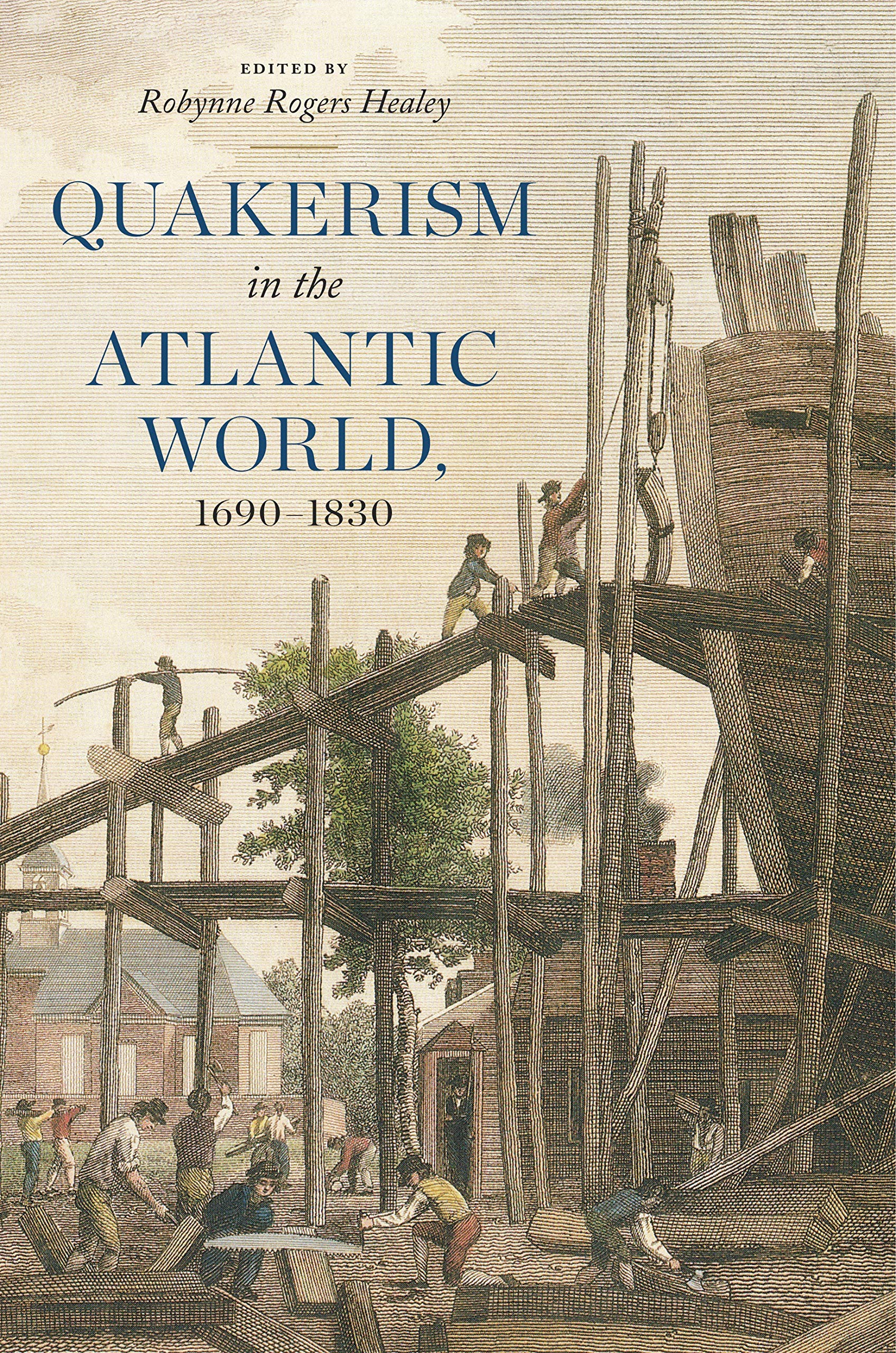
Title
Quakerism in the Atlantic World, 16901830 (The New History of Quakerism),New
Sold by Ergodebooks, an authorized reseller.
Returns accepted within 30 days | support@ergodebooks.com
Shipping Information
- Free Standard Shipping — United States only
- Processing Time: 3–5 business days
- Estimated Delivery: 6–10 business days after dispatch
- Double-boxed, fully insured & discreetly packaged
- Tracking number sent via email once dispatched
Returns & Refund
Returns accepted within 30 days of delivery.
Damaged or Defective Item
Free return shipping + replacement or full refund
Wrong Item Received
Free return shipping + replacement or full refund
Change of Mind
Return shipping at customer's expense · 25% restocking fee applies
Payment Option

This third installment in the New History of Quakerism series is a comprehensive assessment of transatlantic Quakerism across the long eighteenth century, a period during which Quakers became increasingly sectarian even as they expanded their engagement with politics, trade, industry, and science. The contributors to this volume interrogate and deconstruct this paradox, complicating traditional interpretations of what has been termed Quietist Quakerism.Examining the period following the Toleration Act in England of 1689 through the HicksiteOrthodox Separation in North America, this work situates Quakers in the eighteenthcentury British Atlantic world. Three thematic sectionsexploring unique Quaker testimonies and practices; tensions between Quakerism in community and Quakerism in the world; and expressions of Quakerism around the Atlantic worldbroaden geographic understandings of the Quaker Atlantic experience to determine how local events shaped expressions of Quakerism. The authors challenge oversimplified interpretations of Quaker practices and reveal a complex Quaker world, one in which prescription and practice were more often negotiated than dictated, even after the mideighteenthcentury reformation and tightening of the Discipline on both sides of the Atlantic.Accessible and wellresearched, Quakerism in the Atlantic World, 16901830,provides fresh insights and raises new questions about an understudied period of Quaker history.In addition to the editor, the contributors to this volume include Richard C. Allen, Erin Bell, Erica Canela, Elizabeth Cazden, Andrew Fincham, Sydney Harker, Rosalind Johnson, Emma LapsanskyWerner, Jon Mitchell, and Geoffrey Plank.
⚠️ WARNING (California Proposition 65):
This product may contain chemicals known to the State of California to cause cancer, birth defects, or other reproductive harm.
For more information, please visit www.P65Warnings.ca.gov.