
Title
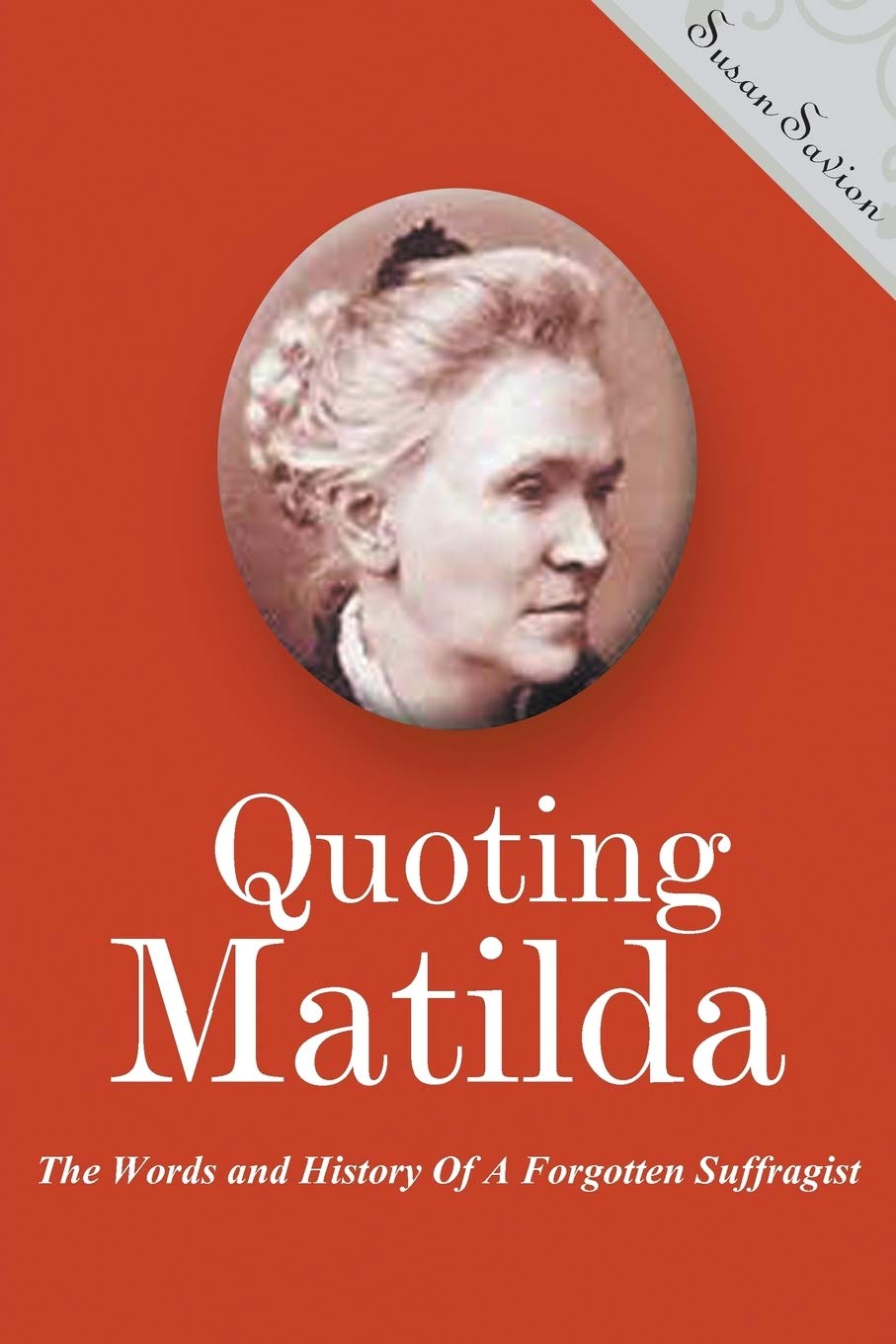
Quoting Matilda: The Words and History of a Forgotten Suffragist,Used
Sold by Ergodebooks, an authorized reseller.
Returns accepted within 30 days | support@ergodebooks.com
Shipping Information
- Free Standard Shipping — United States only
- Processing Time: 3–5 business days
- Estimated Delivery: 6–10 business days after dispatch
- Double-boxed, fully insured & discreetly packaged
- Tracking number sent via email once dispatched
Returns & Refund
Returns accepted within 30 days of delivery.
Damaged or Defective Item
Free return shipping + replacement or full refund
Wrong Item Received
Free return shipping + replacement or full refund
Change of Mind
Return shipping at customer's expense · 25% restocking fee applies
Payment Option

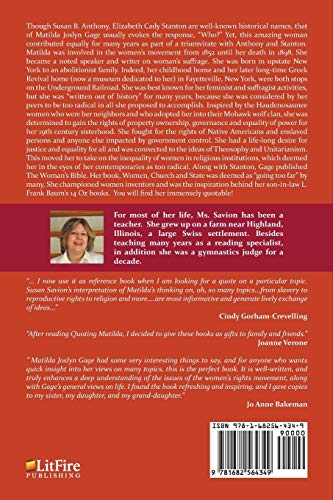
Though Susan B. Anthony, Elizabeth Cady Stanton are wellknown historical names, that of Matilda Joslyn Gage usually evokes the response, "Who?" Yet, this amazing woman contributed equally for many years as part of a triumvirate with Anthony and Stanton. Matilda was involved in the women's movement from 1852 until her death in 1898. She became a noted speaker and writer on woman's suffrage. She was born in upstate New York to an abolitionist family. Indeed, her childhood home and her later longtime Greek Revival home (now a museum dedicated to her) in Fayetteville, New York, were both stops on the Underground Railroad. She was best known for her feminist and suffragist activities, but she was "written out of history" for many years, because she was considered by her peers to be too radical in all she proposed to accomplish. Inspired by the Haudenosaunee women who were her neighbors and who adopted her into their Mohawk wolf clan, she was determined to gain the rights of property ownership, governance and equality of power for her 19th century sisterhood. She fought for the rights of Native Americans and enslaved persons and anyone else impacted by government control. She had a lifelong desire for justice and equality for all and was connected to the ideas of Theosophy and Unitarianism. This moved her to take on the inequality of women in religious institutions, which deemed her in the eyes of her contemporaries as too radical. Along with Stanton, Gage published The Woman's Bible. Her book, Women, Church and State was deemed as "going too far" by many. She championed women inventors and was the inspiration behind her soninlaw L. Frank Baum's 14 Oz books. You will find her immensely quotable!
⚠️ WARNING (California Proposition 65):
This product may contain chemicals known to the State of California to cause cancer, birth defects, or other reproductive harm.
For more information, please visit www.P65Warnings.ca.gov.