
Title
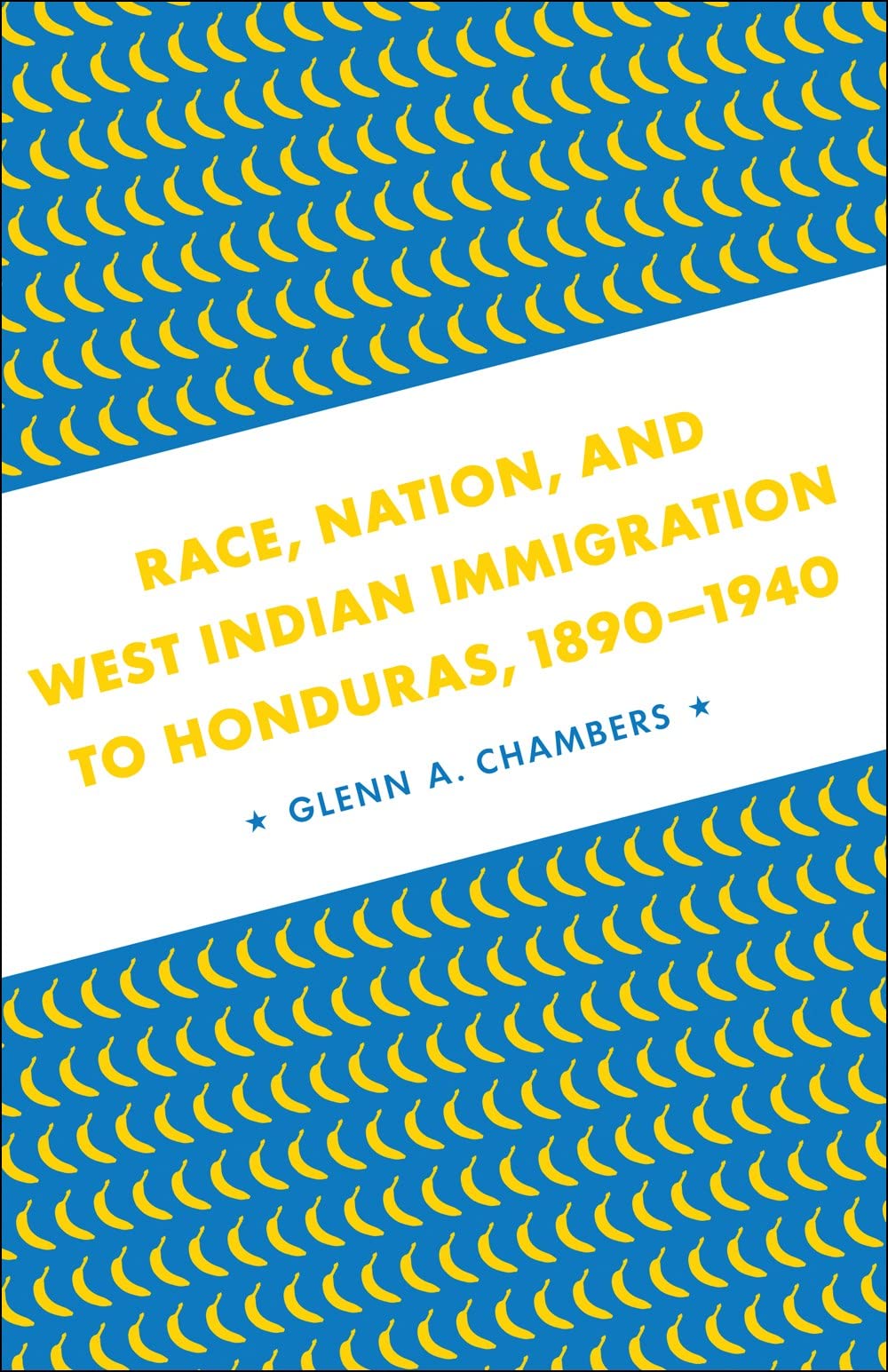
Race, Nation, And West Indian Immigration To Honduras, 18901940,New
Sold by Ergodebooks, an authorized reseller.
Returns accepted within 30 days | support@ergodebooks.com
Shipping Information
- Free Standard Shipping — United States only
- Processing Time: 3–5 business days
- Estimated Delivery: 6–10 business days after dispatch
- Double-boxed, fully insured & discreetly packaged
- Tracking number sent via email once dispatched
Returns & Refund
Returns accepted within 30 days of delivery.
Damaged or Defective Item
Free return shipping + replacement or full refund
Wrong Item Received
Free return shipping + replacement or full refund
Change of Mind
Return shipping at customer's expense · 25% restocking fee applies
Payment Option

At the turn of the twentieth century, Honduras witnessed the expansion of its banana industry and the development of the United Fruit Company and Standard Fruit into multinational corporations with significant political and economic influence in Latin America and the Caribbean. These companies relied heavily on an imported labor force, thousands of West Indian workers, whose arrival in Honduras immediately sparked antiblack and antiimmigrant sentiment throughout the country. Glenn A. Chambers examines the West Indian immigrant community in Honduras through the development of the country's fruit industry, revealing that West Indians fought to maintain their identities as workers, Protestants, blacks, and English speakers in the midst of popular Latin American nationalistic notions of mestizaje, or mixedrace identity.West Indians lived as outsiders in Honduran society owing to the many racially motivated initiatives of the Honduran government that defined acceptable immigration as 'white only.' As Chambers shows, one unintended, though perhaps predictable, consequence of this political stance was the emergence of a clearly defined and separate West Indian enclave that proved to be antagonistic toward native Hondurans. This conflict ultimately led to animosity between Englishspeaking and Spanishspeaking Hondurans, as well as between West Indians and nonWest Indian peoples of African descent. An allinclusive AfroHonduran identity never emerged in Honduras, Chambers reveals. Rather, black identity developed through West Indians' culture, language, and history.Chambers moves beyond treatments of West Indian labor as an accessory to U.S. capitalist interests to explore the ethnic and racial dynamic of the interactions of the West Indian community with locals. In Race, Nation, and West Indian Immigration to Honduras, 18901940, Chambers demonstrates the importance of racial identity in Honduran society as a whole and reveals the roles that culture, language, ethnicity, and history played in the establishment of regional identities within the broader African diaspora.
⚠️ WARNING (California Proposition 65):
This product may contain chemicals known to the State of California to cause cancer, birth defects, or other reproductive harm.
For more information, please visit www.P65Warnings.ca.gov.
- Q: What is the page count of the book? A: The book has two hundred sixteen pages. This length provides a comprehensive exploration of West Indian immigration to Honduras.
- Q: What are the dimensions of this book? A: The book measures five point five one inches in length, zero point five one inches in width, and eight point five inches in height. These dimensions make it a compact and easy-to-handle hardcover.
- Q: What type of binding does this book have? A: This book is bound in hardcover. Hardcover binding offers durability and protection, making it suitable for long-term use.
- Q: What is the main theme of the book? A: The main theme revolves around race and immigration issues faced by West Indians in Honduras. It explores the socio-political dynamics during the banana industry's expansion.
- Q: Who is the author of this book? A: The author is Glenn A. Chambers. His expertise provides valuable insights into the historical context of West Indian immigration.
- Q: Is this book suitable for academic study? A: Yes, this book is suitable for academic study. It offers in-depth analysis and historical context, making it a valuable resource for students and researchers.
- Q: What kind of reader would enjoy this book? A: Readers interested in Caribbean history, immigration studies, and racial dynamics will find this book engaging. It caters to both academic and general audiences.
- Q: How can I use this book effectively for research? A: You can use this book as a primary source for understanding the historical context of West Indian immigration. It's beneficial for papers or projects focused on race relations.
- Q: Is this book appropriate for young readers? A: No, this book is not specifically appropriate for young readers. The content addresses complex historical and racial themes that may be better suited for older teens and adults.
- Q: How should I store this book to keep it in good condition? A: Store the book upright on a shelf in a cool, dry place. Avoid exposing it to direct sunlight to prevent fading and damage.
- Q: Can I clean this book if it gets dirty? A: Yes, you can clean the book gently. Use a soft, dry cloth to wipe the cover and avoid using liquid cleaners that could damage the binding.
- Q: What if the book arrives damaged? A: If the book arrives damaged, you should contact the seller or retailer for a return or replacement. Most sellers have policies in place for damaged items.
- Q: Is there a warranty for this book? A: No, typically books do not come with a warranty. However, you may check the retailer's return policy for any purchase guarantees.
- Q: How does this book compare to others on Caribbean immigration? A: This book offers a unique perspective by focusing on the racial and cultural identity of West Indians in Honduras, which may not be covered in other works.
- Q: What sets this book apart from other historical analyses? A: This book's focus on the intersection of race, culture, and identity in the context of immigration distinguishes it from more general historical analyses.
- Q: Is this book a good choice for beginners in Caribbean studies? A: Yes, this book serves as an accessible introduction to Caribbean studies. It provides foundational knowledge while being engaging for new readers on the topic.