
Title
Racism in the United States: Implications for the Helping Professions,Used
Sold by Ergodebooks, an authorized reseller.
Returns accepted within 30 days | support@ergodebooks.com
Shipping Information
- Free Standard Shipping — United States only
- Processing Time: 3–5 business days
- Estimated Delivery: 6–10 business days after dispatch
- Double-boxed, fully insured & discreetly packaged
- Tracking number sent via email once dispatched
Returns & Refund
Returns accepted within 30 days of delivery.
Damaged or Defective Item
Free return shipping + replacement or full refund
Wrong Item Received
Free return shipping + replacement or full refund
Change of Mind
Return shipping at customer's expense · 25% restocking fee applies
Payment Option

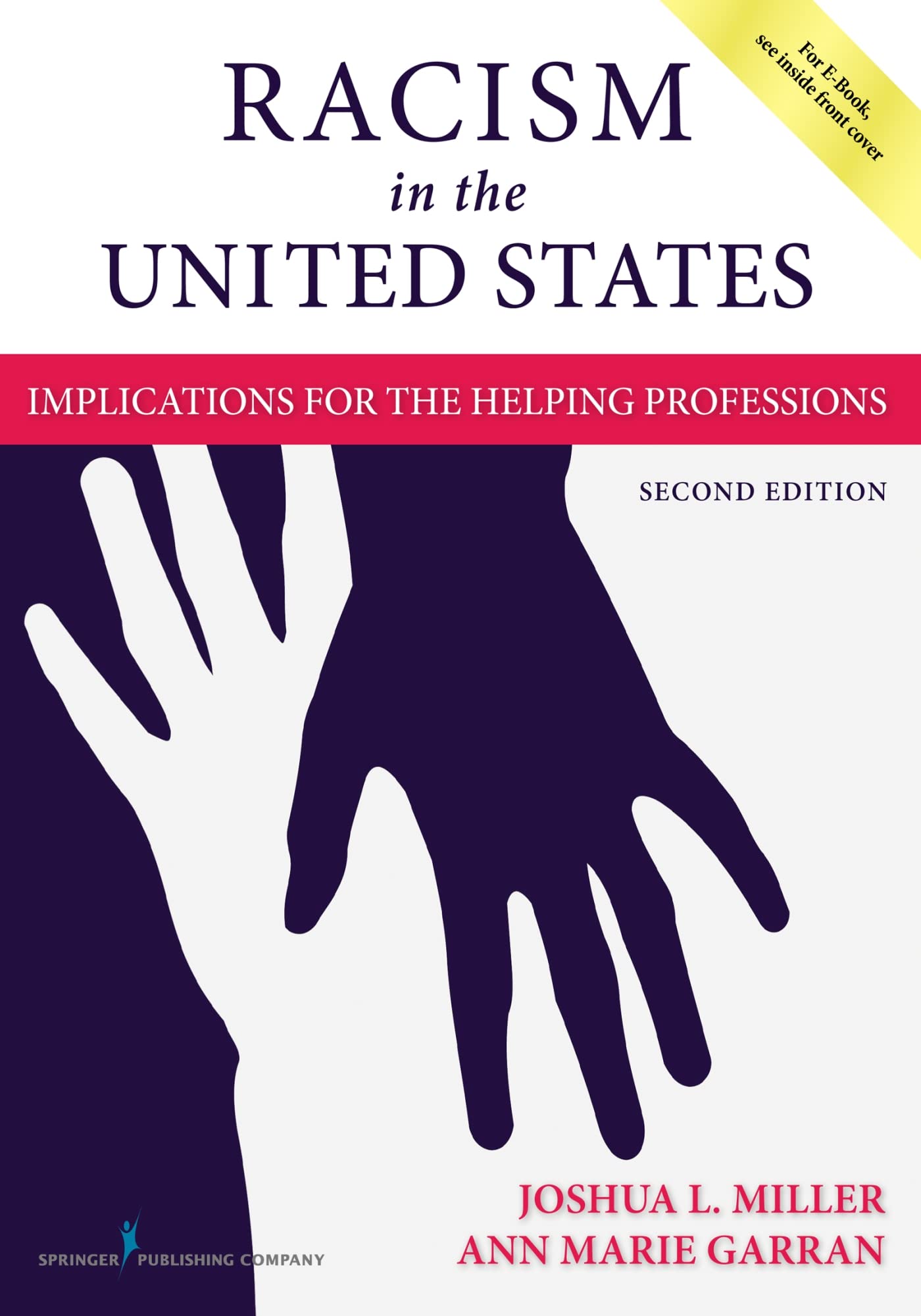
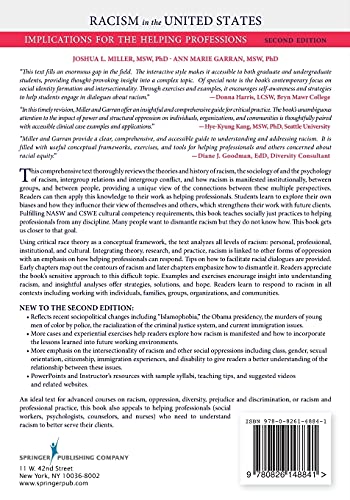
This comprehensive text thoroughly reviews the theories and history of racism, the sociology of and the psychology of racism, intergroup relations and intergroup conflict, and how racism is manifested institutionally, between groups, and between people, providing a unique view of the connections between these multiple perspectives. Readers can then apply this knowledge to their work as helping professionals. Students learn to explore their own biases and how they influence their view of themselves and others, which strengthens their work with future clients. Fulfilling NASW and CSWE cultural competency requirements, this book teaches socially just practices to helping professionals from any discipline. Many people want to dismantle racism but they do not know how. This book gets us closer to that goal.Using critical race theory as a conceptual framework, the text analyzes all levels of racism: personal, professional, institutional, and cultural. Integrating theory, research, and practice, racism is linked to other forms of oppression with an emphasis on how helping professionals can respond. Tips on how to facilitate racial dialogues are provided. Early chapters map out the contours of racism and later chapters emphasize how to dismantle it. Readers appreciate the book's sensitive approach to this difficult topic. Examples and exercises encourage insight into understanding racism, and insightful analyses offer strategies, solutions, and hope. Readers learn to respond to racism in all contexts including working with individuals, families, groups, organizations, and communities.NEW TO THE SECOND EDITION: Reflects recent sociopolitical changes including "Islamophobia" the Obama presidency, the murders of young men of color by police, the racialization of the criminal justice system, and current immigration issues. More cases and experiential exercises help readers explore how racism is manifested and how to incorporate the lessons learned into future working environments. More emphasis on the intersectionality of racism and other social oppressions including class, gender, sexual orientation, citizenship, immigration experiences, and disability to give readers a better understanding of the relationship between these issues. PowerPoints and Instructor's resources with sample syllabi, teaching tips, and suggested videos and related websites.An ideal text for advanced courses on racism, oppression, diversity, prejudice and discrimination, or racism and professional practice, this book also appeals to helping professionals (social workers, psychologists, counselors, and nurses) who need to understand racism to better serve their clients.
⚠️ WARNING (California Proposition 65):
This product may contain chemicals known to the State of California to cause cancer, birth defects, or other reproductive harm.
For more information, please visit www.P65Warnings.ca.gov.
- Q: How many pages does the book have? A: This book contains four hundred eighteen pages. It covers various aspects of racism and its implications for helping professionals.
- Q: What is the binding type of the book? A: The book is published in paperback binding. This makes it lightweight and easier to handle for reading.
- Q: Who is the author of the book? A: The author of this book is Joshua L. Miller. He provides insights into racism and its impact on the helping professions.
- Q: What topics does the book cover? A: The book discusses racism, intergroup relations, and cultural competency. It also explores the intersectionality of racism with other forms of oppression.
- Q: Is this book suitable for social work students? A: Yes, this book is ideal for social work students. It fulfills NASW and CSWE cultural competency requirements for training.
- Q: What critical theory does the book use? A: The book uses critical race theory as its conceptual framework. This helps analyze various levels of racism comprehensively.
- Q: How can this book help helping professionals? A: This book provides strategies for understanding and addressing racism in various contexts. It enhances cultural competency and social justice practices.
- Q: Are there exercises included in the book? A: Yes, the book includes examples and experiential exercises. These are designed to encourage insight into understanding racism.
- Q: Is this book appropriate for professionals outside of social work? A: Yes, this book is beneficial for various helping professionals. It appeals to psychologists, counselors, and nurses among others.
- Q: What insights does the second edition provide? A: The second edition reflects recent sociopolitical changes. It includes new cases and emphasizes intersectionality in understanding racism.
- Q: How does the book address racial dialogues? A: The book offers tips on facilitating racial dialogues. It equips readers with tools to engage in sensitive discussions about racism.
- Q: Does the book include instructor resources? A: Yes, it includes PowerPoints and instructor resources. These materials enhance teaching and provide sample syllabi and suggested videos.
- Q: What makes this book unique? A: Its comprehensive approach linking theory, research, and practice makes this book unique. It provides a holistic understanding of racism.
- Q: How does the book help readers explore their own biases? A: The book encourages readers to reflect on their own biases. This self-exploration strengthens their effectiveness in working with clients.
- Q: What is the primary audience for this book? A: The primary audience includes helping professionals and students in related fields. It is also useful for anyone interested in combating racism.
- Q: Are there any specific themes explored in the book? A: Yes, themes include oppression, diversity, prejudice, and discrimination. These are critical for understanding the complexities of racism.