
Title
Radical Embodied Cognitive Science (Bradford Book),New
Sold by Ergodebooks, an authorized reseller.
Returns accepted within 30 days | support@ergodebooks.com
Shipping Information
- Free Standard Shipping — United States only
- Processing Time: 3–5 business days
- Estimated Delivery: 6–10 business days after dispatch
- Double-boxed, fully insured & discreetly packaged
- Tracking number sent via email once dispatched
Returns & Refund
Returns accepted within 30 days of delivery.
Damaged or Defective Item
Free return shipping + replacement or full refund
Wrong Item Received
Free return shipping + replacement or full refund
Change of Mind
Return shipping at customer's expense · 25% restocking fee applies
Payment Option

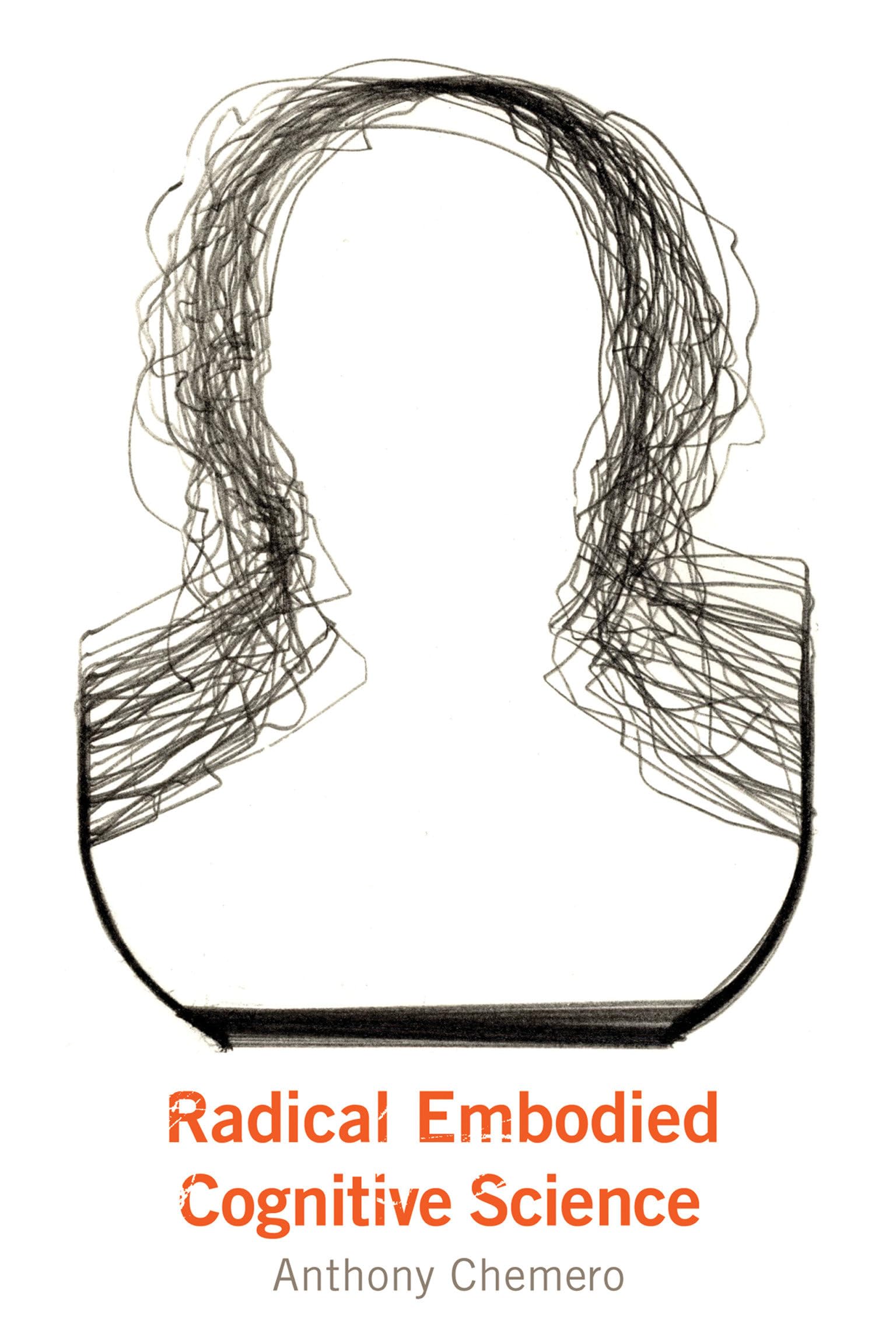
A Proposal For A New Way To Do Cognitive Science Argues That Cognition Should Be Described In Terms Of Agentenvironment Dynamics Rather Than Computation And Representation.While Philosophers Of Mind Have Been Arguing Over The Status Of Mental Representations In Cognitive Science, Cognitive Scientists Have Been Quietly Engaged In Studying Perception, Action, And Cognition Without Explaining Them In Terms Of Mental Representation. In This Book, Anthony Chemero Describes This Nonrepresentational Approach (Which He Terms Radical Embodied Cognitive Science), Puts It In Historical And Conceptual Context, And Applies It To Traditional Problems In The Philosophy Of Mind. Radical Embodied Cognitive Science Is A Direct Descendant Of The American Naturalist Psychology Of William James And John Dewey, And Follows Them In Viewing Perception And Cognition To Be Understandable Only In Terms Of Action In The Environment. Chemero Argues That Cognition Should Be Described In Terms Of Agentenvironment Dynamics Rather Than In Terms Of Computation And Representation. After Outlining This Orientation To Cognition, Chemero Proposes A Methodology: Dynamical Systems Theory, Which Would Explain Things Dynamically And Without Reference To Representation. He Also Advances A Background Theory: Gibsonian Ecological Psychology, Shored Up And Clarified. Chemero Then Looks At Some Traditional Philosophical Problems (Reductionism, Epistemological Skepticism, Metaphysical Realism, Consciousness) Through The Lens Of Radical Embodied Cognitive Science And Concludes That The Comparative Ease With Which It Resolves These Problems, Combined With Its Empirical Promise, Makes This Approach To Cognitive Science A Rewarding One. Jerry Fodor Is My Favorite Philosopher, Chemero Writes In His Preface, Adding, I Think That Jerry Fodor Is Wrong About Nearly Everything. With This Book, Chemero Explains Nonrepresentational, Dynamical, Ecological Cognitive Science As Clearly And As Rigorously As Jerry Fodor Explained Computational Cognitive Science In His Classic Work The Language Of Thought.
⚠️ WARNING (California Proposition 65):
This product may contain chemicals known to the State of California to cause cancer, birth defects, or other reproductive harm.
For more information, please visit www.P65Warnings.ca.gov.
- Q: What are the dimensions of the book? A: The book measures eight point six inches in length, five point seven inches in width, and zero point five inches in height.
- Q: How many pages does 'Radical Embodied Cognitive Science' have? A: This book contains two hundred seventy-two pages, providing a comprehensive exploration of cognitive science.
- Q: What type of binding does this book have? A: The book is bound in paperback, making it lightweight and easy to handle.
- Q: What is the main theme of the book? A: The main theme revolves around cognitive science viewed through the lens of agent-environment dynamics rather than traditional computation.
- Q: Who is the author of this book? A: The author is Anthony Chemero, who presents a new approach to understanding cognition.
- Q: What category does this book fall under? A: This book is categorized under Criticism and Theory, specifically focusing on cognitive science.
- Q: How should I approach reading this book? A: You should read it with an interest in cognitive science and a willingness to explore nonrepresentational theories.
- Q: Is this book suitable for beginners in cognitive science? A: Yes, it is suitable for beginners, as it clearly explains complex ideas in an accessible manner.
- Q: What background knowledge is needed to understand this book? A: A basic understanding of cognitive science and philosophy will enhance your reading experience.
- Q: How can I care for this book to keep it in good condition? A: Store the book in a cool, dry place and avoid exposure to direct sunlight to preserve its quality.
- Q: Are there any special cleaning instructions for this book? A: No special cleaning instructions are required; simply keep it away from moisture and dirt.
- Q: What if the book arrives damaged? A: If the book arrives damaged, contact the seller for a return or exchange under their policy.
- Q: Is there a warranty for this book? A: Typically, books do not come with a warranty; however, check with the seller for specific return policies.
- Q: Can I return this book if I don't like it? A: Yes, you can return it as long as you adhere to the seller's return policy guidelines.
- Q: What if I have trouble understanding the concepts in the book? A: Consider seeking additional resources or discussions with peers interested in cognitive science for clarity.
- Q: Is this book recommended for advanced studies in cognitive science? A: Yes, it is recommended for advanced studies as it addresses traditional philosophical problems in the field.