
Title
Radical Prototypes: Allan Kaprow and the Invention of Happenings (Mit Press),Used
Sold by Ergodebooks, an authorized reseller.
Returns accepted within 30 days | support@ergodebooks.com
Shipping Information
- Free Standard Shipping — United States only
- Processing Time: 3–5 business days
- Estimated Delivery: 6–10 business days after dispatch
- Double-boxed, fully insured & discreetly packaged
- Tracking number sent via email once dispatched
Returns & Refund
Returns accepted within 30 days of delivery.
Damaged or Defective Item
Free return shipping + replacement or full refund
Wrong Item Received
Free return shipping + replacement or full refund
Change of Mind
Return shipping at customer's expense · 25% restocking fee applies
Payment Option

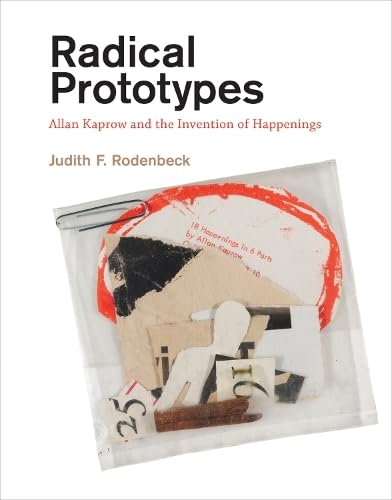
An examination of an experiential and experimental art form that, despite its evanescence, has shaped participatory art into the present.Happenings have pop connotations that conjure up 1960s youth culture and hippies in public, joyful rebellion. Scholars, meanwhile, locate happenings in a genealogy of avantgarde performance that descends from futurism, surrealism, and Dada through the action painting of the 1950s. In Radical Prototypes, Judith Rodenbeck argues for a more complex etiology. Allan Kaprow coined the term in 1958 to name a new collage form of performance, calling happenings radical prototypes of performance art. Rodenbeck offers a rigorous art historical reading of Kaprow's project and related artworks. She finds that these experiential and experimental works offered not a happy communalism but a strong and canny critique of contemporary sociality. Happenings, she argues, were far more ambivalent, negative, and even creepy than they have been portrayed, either in contemporaneous accounts or in more recent efforts to connect them to contemporary art's participatory strategies.In Radical Prototypes, Rodenbeck recovers the critical force of happenings, addressing them both as theoretical objects and as artworks, investigating broader epistemological and formal concerns as well as their material and performative aspects. She links happenings to scores by John Cage (especially 4'33), avantgarde theater, and photography, and offers new readings of projects ranging from Kaprow's 18 Happenings in 6 Parts (1959) to Gerhard Richter's Leben mit Pop (1963).Rodenbeck casts happenings as a form of participatory art that simultaneously delivers a radical critique of that very participationa view that revises our understanding of contemporary constructions of the participatory as well as of 1960s projects from Fluxus to conceptual art.
⚠️ WARNING (California Proposition 65):
This product may contain chemicals known to the State of California to cause cancer, birth defects, or other reproductive harm.
For more information, please visit www.P65Warnings.ca.gov.