
Title
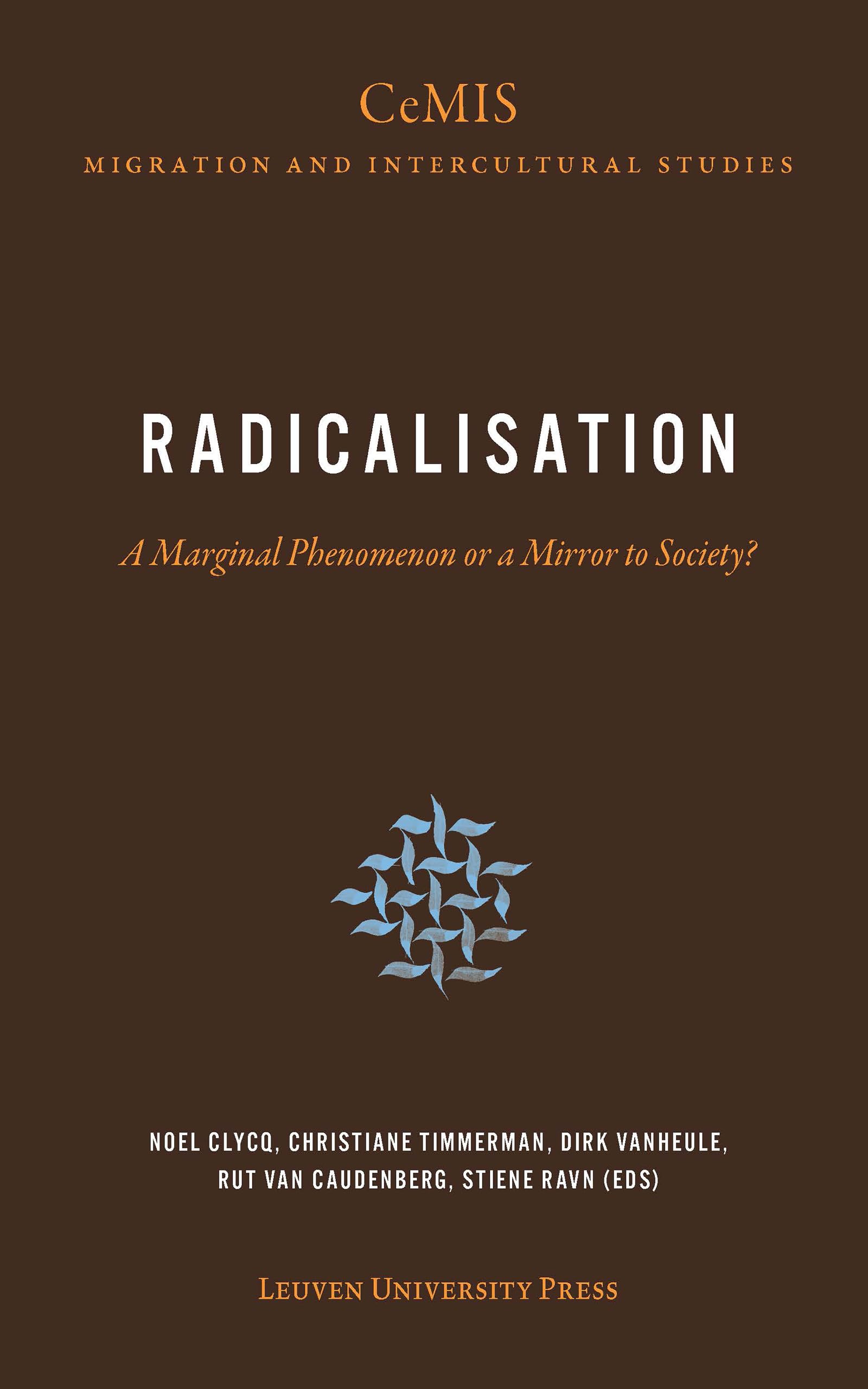
Radicalisation: A Marginal Phenomenon or a Mirror to Society? (CeMIS Migration and Intercultural Studies, 4),Used
Sold by Ergodebooks, an authorized reseller.
Returns accepted within 30 days | support@ergodebooks.com
Shipping Information
- Free Standard Shipping — United States only
- Processing Time: 3–5 business days
- Estimated Delivery: 6–10 business days after dispatch
- Double-boxed, fully insured & discreetly packaged
- Tracking number sent via email once dispatched
Returns & Refund
Returns accepted within 30 days of delivery.
Damaged or Defective Item
Free return shipping + replacement or full refund
Wrong Item Received
Free return shipping + replacement or full refund
Change of Mind
Return shipping at customer's expense · 25% restocking fee applies
Payment Option

Radicalisation is a topical and a muchdiscussed concept in current European societies. Its use in policy and societal discourses, such as media coverage and educational contexts, is very sensitive. This thoughtprovoking collection of essays critically addresses the topic of radicalisation from different angles, combining disciplinespecific insights from the fields of sociology, philosophy, history, religious studies, and media studies, with new empirical data.The authors step away from readily available explanations and rethink the notion of 'the radical'. Rather than merely focusing on individuals or ideologies, they advocate for a contextual perspective that allows to consider the complex interaction between individuals, groups, and institutions, both at a national and international level. Radicalisation: A Marginal Phenomenon, or a Mirror to Society? provides the reader not only with muchneeded knowledge of the complex nature of the concept of radicalisation, but also offers insights into the various ways radicalisation processes can be triggered, prevented, or addressed.This publication is GPRClabeled (Guaranteed Peer Review Content).Contributors: Rik Coolsaet (Ghent University), Stiene Ravn (University of Antwerp), Tom Sauer (University of Antwerp), Jessika Soors (KU Leuven), Franois Levrau (University of Antwerp), Janiv Stamberger (University of Antwerp), Ward Nouwen (University of Antwerp), Rut Van Caudenberg (University of Antwerp), Noel Clycq (University of Antwerp), Thomas Frissen (KU Leuven), Kevin Smets (Vrije Universiteit Brussel / University of Antwerp), Leen d'Haenens (KU Leuven), Kristof Verfaillie (Vrije Universiteit Brussel), Sofie De Kimpe (Vrije Universiteit Brussel), Marc Cools (Vrije Universiteit Brussel), Karel Van Nieuwenhuyse (KU Leuven)
⚠️ WARNING (California Proposition 65):
This product may contain chemicals known to the State of California to cause cancer, birth defects, or other reproductive harm.
For more information, please visit www.P65Warnings.ca.gov.