
Title
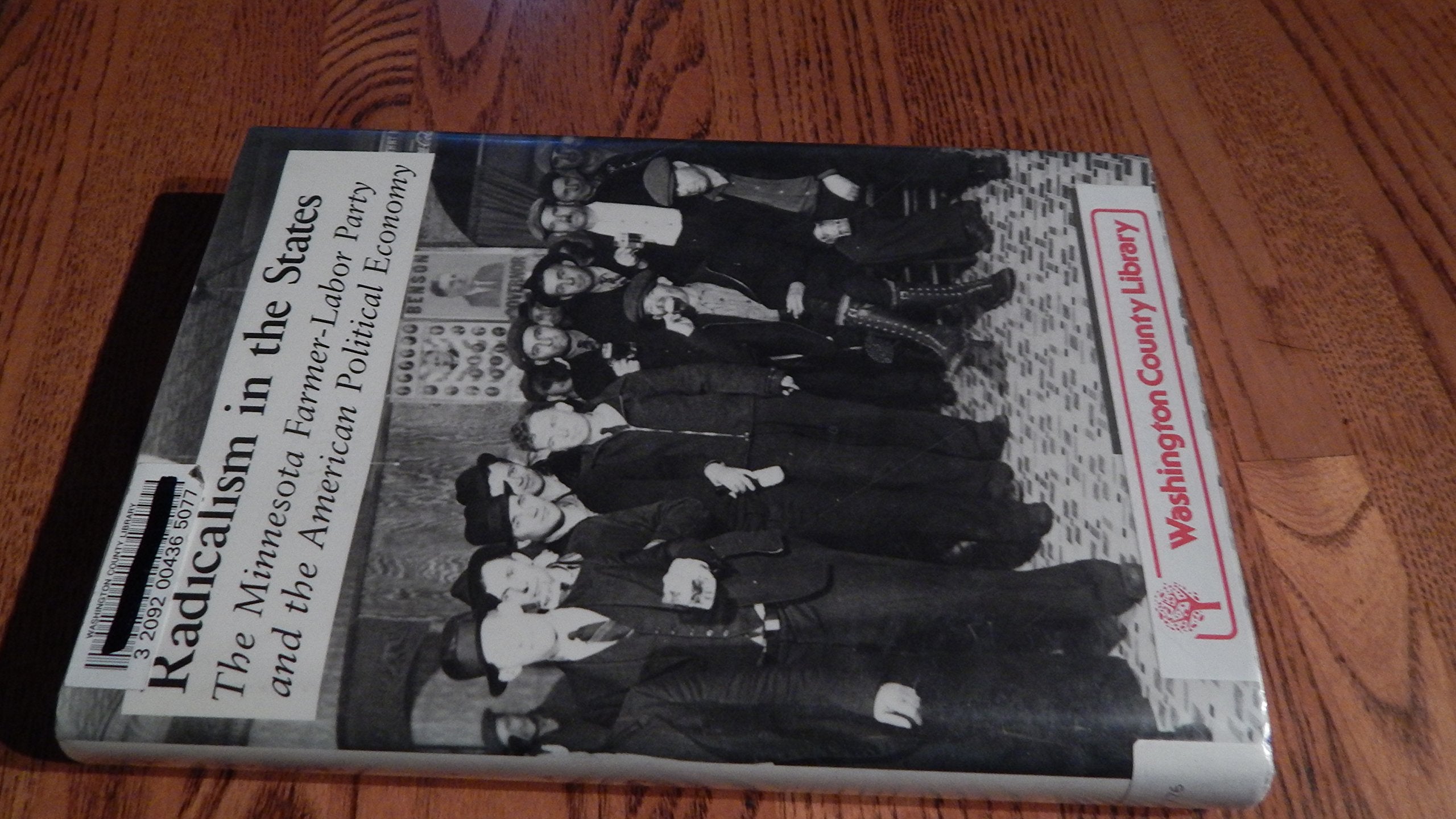
Radicalism in the States: The Minnesota FarmerLabor Party and the American Political Economy (American Politics and Political E,Used
Sold by Ergodebooks, an authorized reseller.
Returns accepted within 30 days | support@ergodebooks.com
Shipping Information
- Free Standard Shipping — United States only
- Processing Time: 3–5 business days
- Estimated Delivery: 6–10 business days after dispatch
- Double-boxed, fully insured & discreetly packaged
- Tracking number sent via email once dispatched
Returns & Refund
Returns accepted within 30 days of delivery.
Damaged or Defective Item
Free return shipping + replacement or full refund
Wrong Item Received
Free return shipping + replacement or full refund
Change of Mind
Return shipping at customer's expense · 25% restocking fee applies
Payment Option

Concentrated in states outside the Northeast and the South, statelevel thirdparty radical politics has been more widespread than many realize. In the 1920s and 1930s, American political organizations strong enough to mount statewide campaigns, and often capable of electing governors and members of Congress, emerged not only in Minnesota but in Wisconsin and Washington, in Oklahoma and Idaho, and in several other states.Richard M. Valelly treats in detail the political economy of the Minnesota FarmerLabor Party (19181944), the most successful radical, statelevel party in American history. With the aid of numerous interviews of surviving organizers and participants in the party's existence, Valelly recreates the party's rise to power and subsequent decline, seeking answers to some broad, developmental questions. Why did this type of politics arise, and why did it collapse when it did? What does the party's history tell us about national political change? The answers lie, Valelly argues, in America's transition from the political economy of the 1920s to the New Deal. Combining case study and comparative state politics, he reexamines America's political economy prior to the New Deal and the scope and ironies of the New Deal's reorganization of American politics. The results compellingly support his argument that the federal government's increasing intervention in the economy profoundly transformed state politics. The interplay between national economy policymaking and federalism eventually reshaped the dynamics of interestgroup politics and closed off the future of 'statelevel radicalism.' The strength of this argument is highlighted by Valelly's crossnational comparison with Canadian politics. In vivid contrast to the fate of American movements, 'province level radicalism' thrived in the Canadian political environment.In the course of analyzing one of the 'supressed alternatives' of American politics, Valelly illuminates the influence of the national political economy on American political development. Radicalism in the States will interest students of economic protest, of national policymaking, of interestgroup politics and party politics.
⚠️ WARNING (California Proposition 65):
This product may contain chemicals known to the State of California to cause cancer, birth defects, or other reproductive harm.
For more information, please visit www.P65Warnings.ca.gov.