
Title
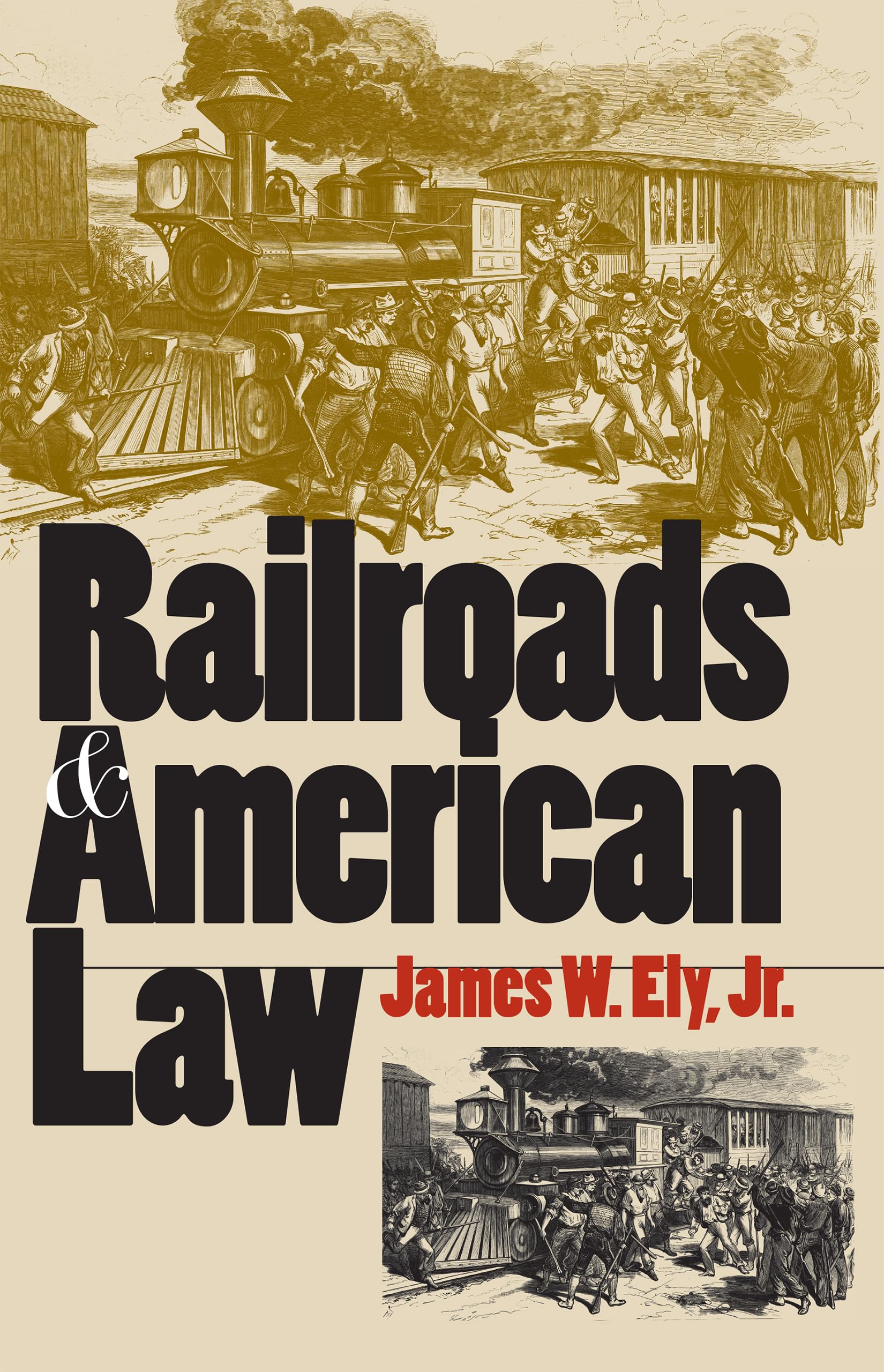
Railroads and American Law,New
Sold by Ergodebooks, an authorized reseller.
Returns accepted within 30 days | support@ergodebooks.com
Shipping Information
- Free Standard Shipping — United States only
- Processing Time: 3–5 business days
- Estimated Delivery: 6–10 business days after dispatch
- Double-boxed, fully insured & discreetly packaged
- Tracking number sent via email once dispatched
Returns & Refund
Returns accepted within 30 days of delivery.
Damaged or Defective Item
Free return shipping + replacement or full refund
Wrong Item Received
Free return shipping + replacement or full refund
Change of Mind
Return shipping at customer's expense · 25% restocking fee applies
Payment Option

No enterprise is so seductive as a railroad for the influence it exerts, the power it gives, and the hope of gain it offers.Poor's Manual of Railroads (1900At its peak, the railroad was the Internet of its day in its transformative impact on American life and law. A harbinger and promoter of economic empire, it was also the icon of a technological revolution that accelerated national expansion and in the process transformed our legal system. James W. Ely Jr., in the first comprehensive legal history of the rail industry, shows that the two institutionsthe railroad and American lawhad a profound influence on each other.Ely chronicles how 'America's first big business' impelled the creation of a vast array of new laws in a country where longdistance internal transport had previously been limited to canals and turnpikes. Railroads, the first major industry to experience extensive regulation, brought about significant legal innovations governing interstate commerce, eminent domain, private property, labor relations, and much more. Much of this development was originally designed to serve the interests of the railroads themselves but gradually came to contest and control the industry's power and exploitative tendencies.As Ely reveals, despite its great promise and potential as an engine of prosperity and uniter of farflung regions, the railroad was not universally admired. Railroads uprooted people, threatened local autonomy, and posed dangers to employees and the public alikesituations with unprecedented legal ramifications. Ely explores the complex and sometimes contradictory ways in which those ramifications played out, as railroads crossed state lines and knitted together a diverse nation with thousands of miles of iron rail.Epic in its scope, Railroads and American Law makes a complex subject accessible to a wide range of readers, from legal historians to railroad buffs, and shows the many ways in which a powerful industry brought change and innovation to America.
⚠️ WARNING (California Proposition 65):
This product may contain chemicals known to the State of California to cause cancer, birth defects, or other reproductive harm.
For more information, please visit www.P65Warnings.ca.gov.
- Q: How many pages does 'Railroads and American Law' have? A: This book has three hundred seventy-six pages. It's a comprehensive legal history that explores the relationship between railroads and American law.
- Q: What is the binding type of this book? A: The binding type is hardcover. This ensures durability and a professional appearance, suitable for both reading and display.
- Q: What are the dimensions of 'Railroads and American Law'? A: The book measures six and a half inches in length, one inch in width, and nine and a half inches in height. These dimensions make it easy to handle and store.
- Q: Who is the author of this book? A: The author is James W. Ely Jr. He is known for his expertise in legal history, particularly regarding the rail industry.
- Q: What is the primary genre of 'Railroads and American Law'? A: The primary genre is legal history. It provides insights into how railroads shaped American law and society.
- Q: Is 'Railroads and American Law' suitable for casual readers? A: Yes, it is suitable for a wide range of readers, including casual readers and legal historians. The writing is accessible, making complex subjects understandable.
- Q: How do I read 'Railroads and American Law' effectively? A: To read this book effectively, take notes on key themes and legal principles discussed. Engaging with the historical context can enhance your understanding.
- Q: Is there a recommended age for readers of this book? A: The book is primarily aimed at adults and mature readers. It covers complex legal issues that require a certain level of comprehension.
- Q: What is the best way to care for a hardcover book? A: To care for this hardcover book, store it upright on a shelf away from direct sunlight. Avoid exposing it to moisture to preserve its condition.
- Q: Can I clean the cover of 'Railroads and American Law'? A: Yes, you can clean the cover with a soft, dry cloth. Avoid using water or cleaning solutions that may damage the surface.
- Q: What should I do if the book arrives damaged? A: If the book arrives damaged, contact the seller immediately to initiate a return or exchange. Keep all packaging materials for potential return shipping.
- Q: Is there a warranty for 'Railroads and American Law'? A: Typically, books do not come with a warranty. However, check with the retailer for their return policy regarding damaged items.
- Q: Can this book be used as a reference for legal studies? A: Yes, it can be used as a reference for legal studies. It provides valuable insights into the intersection of railroads and law.
- Q: How does this book compare to other legal history texts? A: This book is unique in its focus on the rail industry, making it a valuable addition to legal history literature compared to broader texts.
- Q: Is 'Railroads and American Law' appropriate for a research project? A: Yes, it is appropriate for a research project. Its comprehensive analysis of legal history provides a solid foundation for academic inquiry.
- Q: What if I have further questions about the book? A: If you have further questions, check with the retailer or publisher for additional resources or contact information for inquiries.