If you have any questions, you are always welcome to contact us. We'll get back to you as soon as possible, withing 24 hours on weekdays.
Customer service
All questions about your order, return and delivery must be sent to our customer service team by e-mail at yourstore@yourdomain.com
Sale & Press
If you are interested in selling our products, need more information about our brand or wish to make a collaboration, please contact us at press@yourdomain.com
Help
If you have any questions, you are always welcome to contact us. We'll get back to you as soon as possible, withing 24 hours on weekdays.
Customer service
All questions about your order, return and delivery must be sent to our customer service team by e-mail at yourstore@yourdomain.com
Sale & Press
If you are interested in selling our products, need more information about our brand or wish to make a collaboration, please contact us at press@yourdomain.com
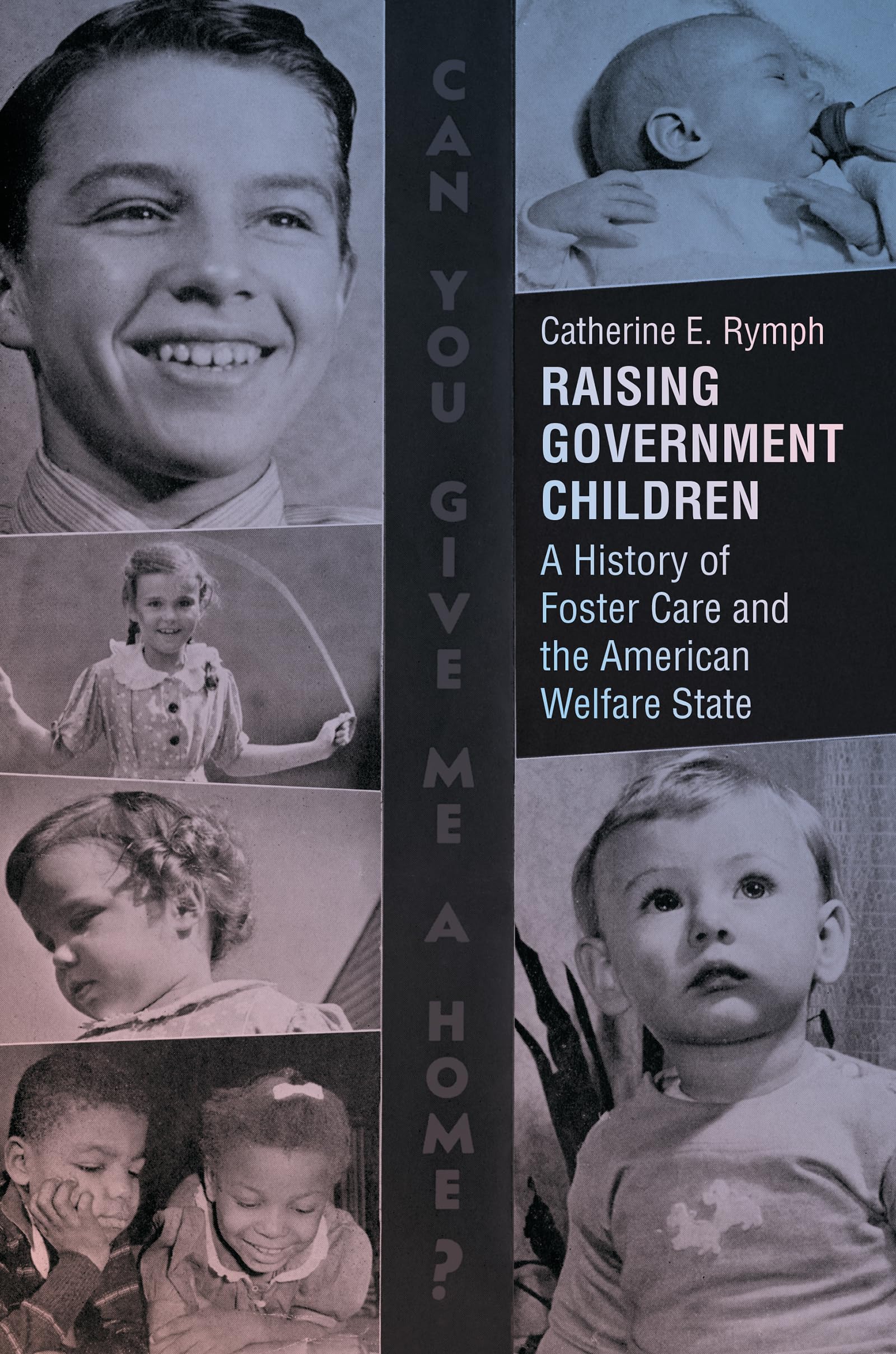
In the 1930s, buoyed by the potential of the New Deal, child welfare reformers hoped to formalize and modernize their methods, partly through professional casework but more importantly through the loving care of temporary, substitute families. Today, however, the foster care system is widely criticized for failing the children and families it is intended to help. How did a vision of dignified services become virtually synonymous with the breakup of poor families and a disparaged form of "welfare" that stigmatizes the women who provide it, the children who receive it, and their families?Tracing the evolution of the modern American foster care system from its inception in the 1930s through the 1970s, Catherine Rymph argues that deeply gendered, domestic ideals, implicit assumptions about the relative value of poor children, and the complex public/private nature of American welfare provision fueled the cultural resistance to funding maternal and parental care. What emerged was a system of public social provision that was actually subsidized by foster families themselves, most of whom were concentrated toward the socioeconomic lower half, much like the children they served. Analyzing the ideas, debates, and policies surrounding foster care and foster parents' relationship to public welfare, Rymph reveals the framework for the building of the foster care system and draws out its implications for today's child support networks.
⚠️ WARNING (California Proposition 65):
This product may contain chemicals known to the State of California to cause cancer,
birth defects, or other reproductive harm.
For MAP (Minimum Advertised Price) violations and Intellectual Property (IP) or Trademark concerns, please contact:
support@ergodebooks.com
⚠️ California Proposition 65 Warning: Some products sold on this website may expose you to chemicals known to the State of California to cause cancer, birth defects, or other reproductive harm. For more information, visit www.P65Warnings.ca.gov.