
Title
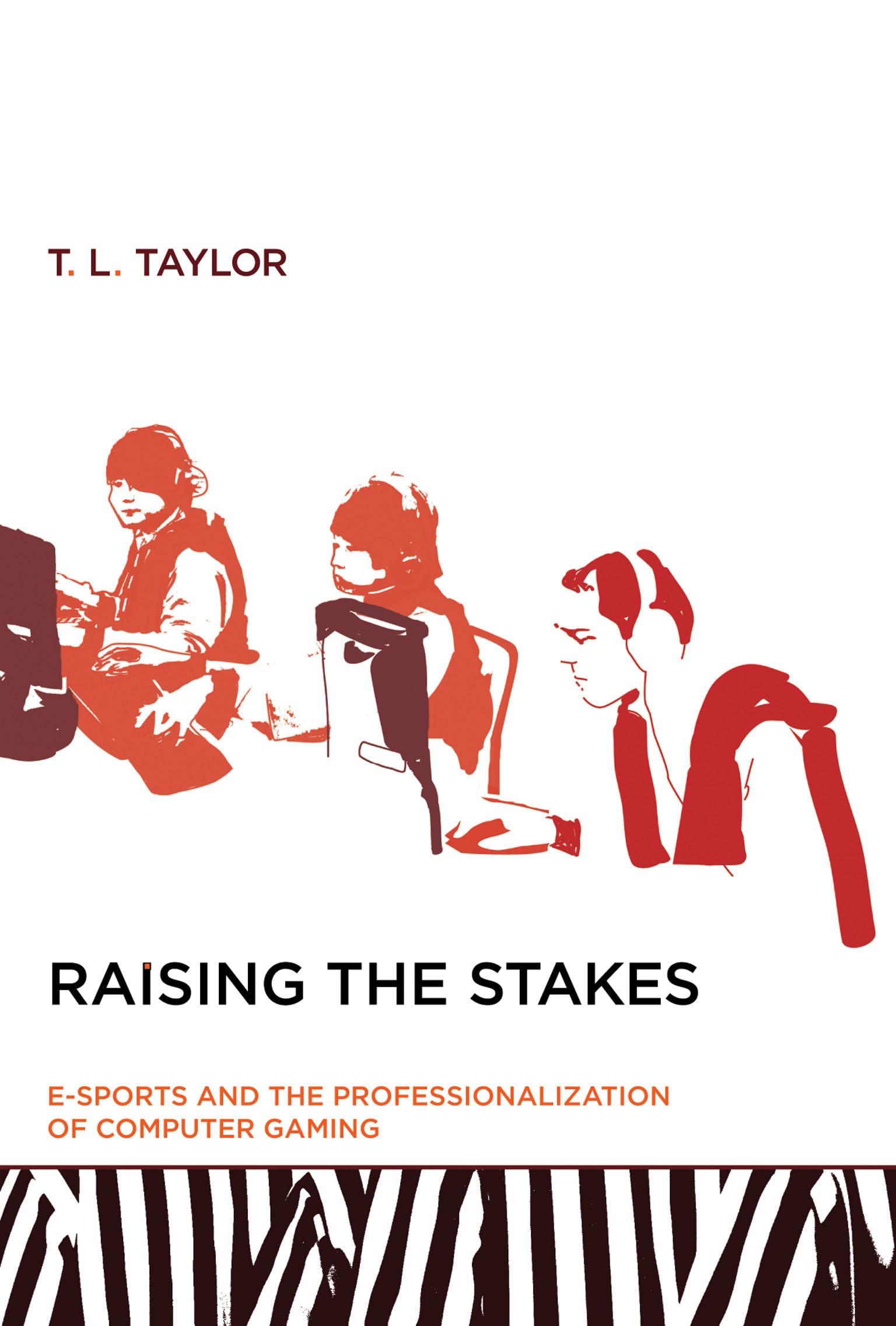
Raising the Stakes: ESports and the Professionalization of Computer Gaming (Mit Press),Used
Sold by Ergodebooks, an authorized reseller.
Returns accepted within 30 days | support@ergodebooks.com
Shipping Information
- Free Standard Shipping — United States only
- Processing Time: 3–5 business days
- Estimated Delivery: 6–10 business days after dispatch
- Double-boxed, fully insured & discreetly packaged
- Tracking number sent via email once dispatched
Returns & Refund
Returns accepted within 30 days of delivery.
Damaged or Defective Item
Free return shipping + replacement or full refund
Wrong Item Received
Free return shipping + replacement or full refund
Change of Mind
Return shipping at customer's expense · 25% restocking fee applies
Payment Option

How a form of play becomes a sport: players, agents, referees, leagues, tournaments, sponsorships, and spectators, and the culture of professional computer game play.Competitive video and computer game play is nothing new: the documentary King of Kong memorably portrays a Donkey Kong player's attempts to achieve the alltime highest score; the television show Starcade (19821984) featured competitions among arcade game players; and firstperson shooter games of the 1990s became multiplayer through network play. A new development in the world of digital gaming, however, is the emergence of professional computer game play, complete with star players, team owners, tournaments, sponsorships, and spectators. In Raising the Stakes, T. L. Taylor explores the emerging scene of professional computer gaming and the accompanying efforts to make a sport out of this form of play.In the course of her explorations, Taylor travels to tournaments, including the World Cyber Games Grand Finals (which considers itself the computer gaming equivalent of the Olympics), and interviews participants from players to broadcasters. She examines progaming, with its highly paid players, playbyplay broadcasts, and mass audience; discusses whether or not esports should even be considered sports; traces the player's path from amateur to professional (and how a hobby becomes work); and describes the importance of leagues, teams, owners, organizers, referees, sponsors, and fans in shaping the structure and culture of progaming.Taylor connects professional computer gaming to broader issues: our notions of play, work, and sport; the nature of spectatorship; the influence of money on sports. And she examines the ongoing struggle over the gendered construction of play through the lens of maledominated progaming. Ultimately, the evolution of professional computer gaming illuminates the contemporary struggle to convert playful passions into serious play.
⚠️ WARNING (California Proposition 65):
This product may contain chemicals known to the State of California to cause cancer, birth defects, or other reproductive harm.
For more information, please visit www.P65Warnings.ca.gov.