If you have any questions, you are always welcome to contact us. We'll get back to you as soon as possible, withing 24 hours on weekdays.
Customer service
All questions about your order, return and delivery must be sent to our customer service team by e-mail at yourstore@yourdomain.com
Sale & Press
If you are interested in selling our products, need more information about our brand or wish to make a collaboration, please contact us at press@yourdomain.com
Help
If you have any questions, you are always welcome to contact us. We'll get back to you as soon as possible, withing 24 hours on weekdays.
Customer service
All questions about your order, return and delivery must be sent to our customer service team by e-mail at yourstore@yourdomain.com
Sale & Press
If you are interested in selling our products, need more information about our brand or wish to make a collaboration, please contact us at press@yourdomain.com
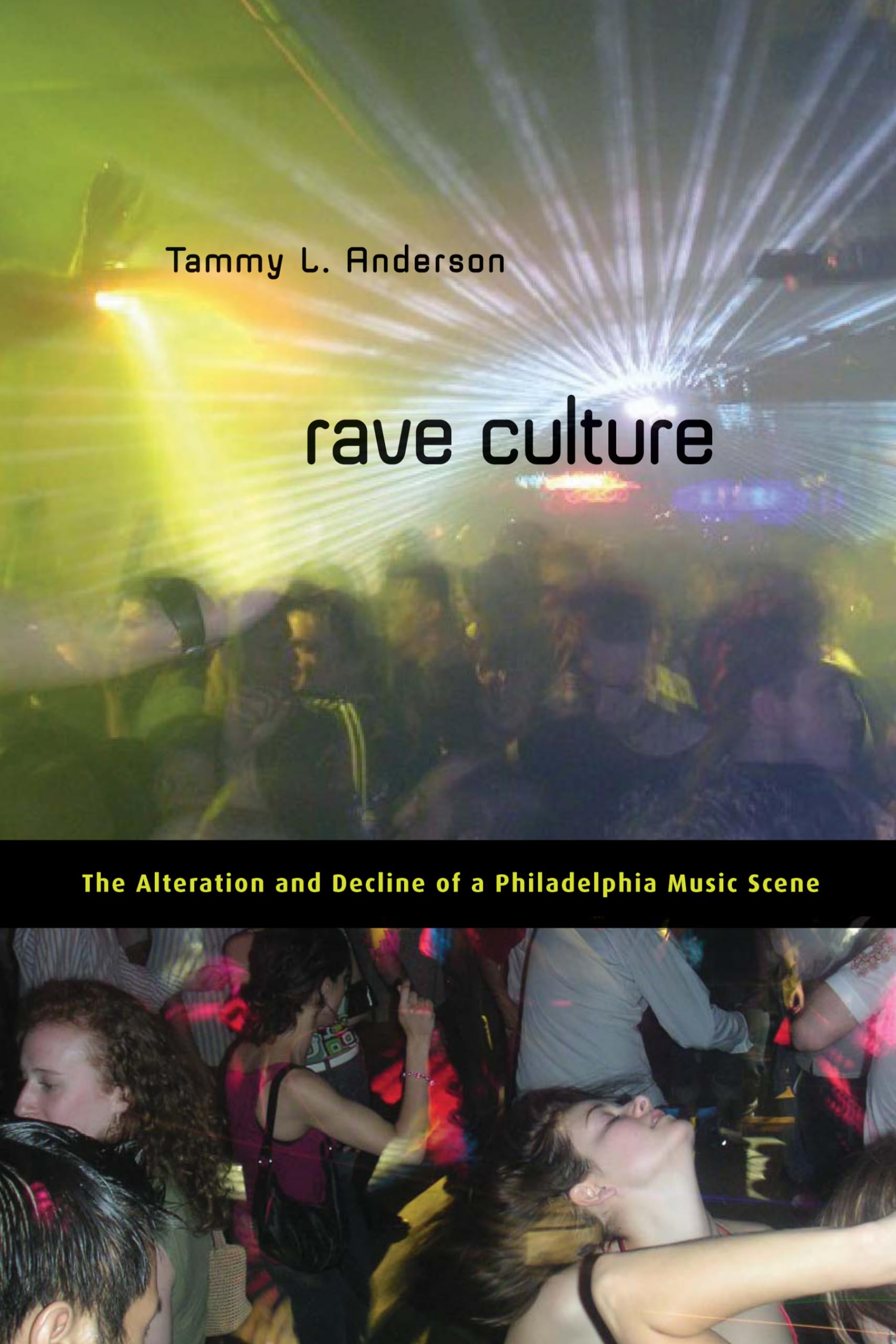
It used to be that raves were grassroots organized, antiestablishment, unlicensed allnight drugfueled dance parties held in abandoned warehouses or an open field. These days, you pay $40 for a branded party at popular riverfront nightclubs where age and status, rather than DJ expertise and dancing, shape your experience.In Rave Culture sociologist Tammy Anderson explores the dance music, drug use and social deviance that are part of the pulsing dynamics of this collective. Her ethnographic study compares the Philadelphia rave scene with other rave scenes in London and Ibiza. She chronicles how generational change, commercialization, law enforcement, hedonism, and genre fragmentation fundamentally altered electronic dance music parties. Her analysis calls attention to issues of personal and collective identity in helping to explain such social change and what the decline of the rave scene means for the future of youth culture and electronic dance music.
⚠️ WARNING (California Proposition 65):
This product may contain chemicals known to the State of California to cause cancer,
birth defects, or other reproductive harm.
For MAP (Minimum Advertised Price) violations and Intellectual Property (IP) or Trademark concerns, please contact:
support@ergodebooks.com
⚠️ California Proposition 65 Warning: Some products sold on this website may expose you to chemicals known to the State of California to cause cancer, birth defects, or other reproductive harm. For more information, visit www.P65Warnings.ca.gov.